Physical therapy provides modest improvement for chronic low back pain
Kinesio taping offers only modest relief for musculoskeletal disorders
Scoliosis treatment: Can it help as you get older?

What factors speed up aging?
New resistance training guidance may simplify your workout
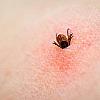
The problem with "classic" Lyme disease symptoms
Healthier plant-based diet tied to lower risk of dementia

Is MRI contrast dye safe?

Are those body aches a sign of gallstones?
Staying active throughout middle age may lower women's risk of dying early
Try This
Articles

Try this: Get low with deep squats
Practicing the deep low squat, commonly known as the "Asian squat," can improve lower back strength, flexibility, and mobility at the hips, knees, and ankles.

Try this: Band practice
Resistance bands are versatile exercise equipment that can supplement people's usual workouts. They also help people who have trouble gripping or holding dumbbells or need greater control when exercising, like when recovering from an injury or managing joint pain.

Try this: Balancing act
Balancing on one leg for 10 seconds or longer is a good way to improve balancing skills.

Try this: Give your hands a hand
Performing hand exercises using therapy putty can help a person improve grip and pinch strength.

Try this: Get jumping with plyometrics
Jumping rope is an ideal plyometric exercise that helps improve coordination, agility, and flexibility and offers an excellent heart-pumping workout.

The portfolio diet: A smart investment for your heart
The portfolio diet, which emphasizes foods rich in fiber and healthy fats, helps lower LDL cholesterol. A 2023 study suggests that the more closely people follow the diet, the lower their risk of cardiovascular disease. The diet discourages foods from animal sources and features foods from five main categories, including (1) plant protein such as legumes; (2) nuts and seeds; (3) foods rich in viscous fibers such as oatmeal, eggplant, and berries; (4) plant sterols such as phytosterol-enriched margarine; and (5) monounsaturated fats such as olive and canola oils.

Try this: How to change your negative thoughts
People can't control the outside world, but they can control their reactions to it. A technique called cognitive restructuring can help a person change negative thinking and calm stressful reactions. It involves a four-step process, known as "stop, breathe, reflect, choose."

Reframing hospice and palliative care
People who choose hospice care forego aggressive medical interventions, but still receive symptom relief and comfort measures. Palliative care differs by offering symptom-focused relief for people who are seriously ill at any stage. Routine hospice care supports patients in their home with medication and visits, while patients who need round-the-clock care can be cared for in either a hospital-based hospice unit, dedicated hospice facility, or nursing home. Patients who choose hospice receive support to carry out end-of-life priorities.

Try this: Look, snap, and connect for better memory recall
Mnemonics are techniques for recalling information. One type of mnemonic is called "look, snap, connect," which uses visualization, word association, and storytelling to help solidify a memory so people can recall it later.
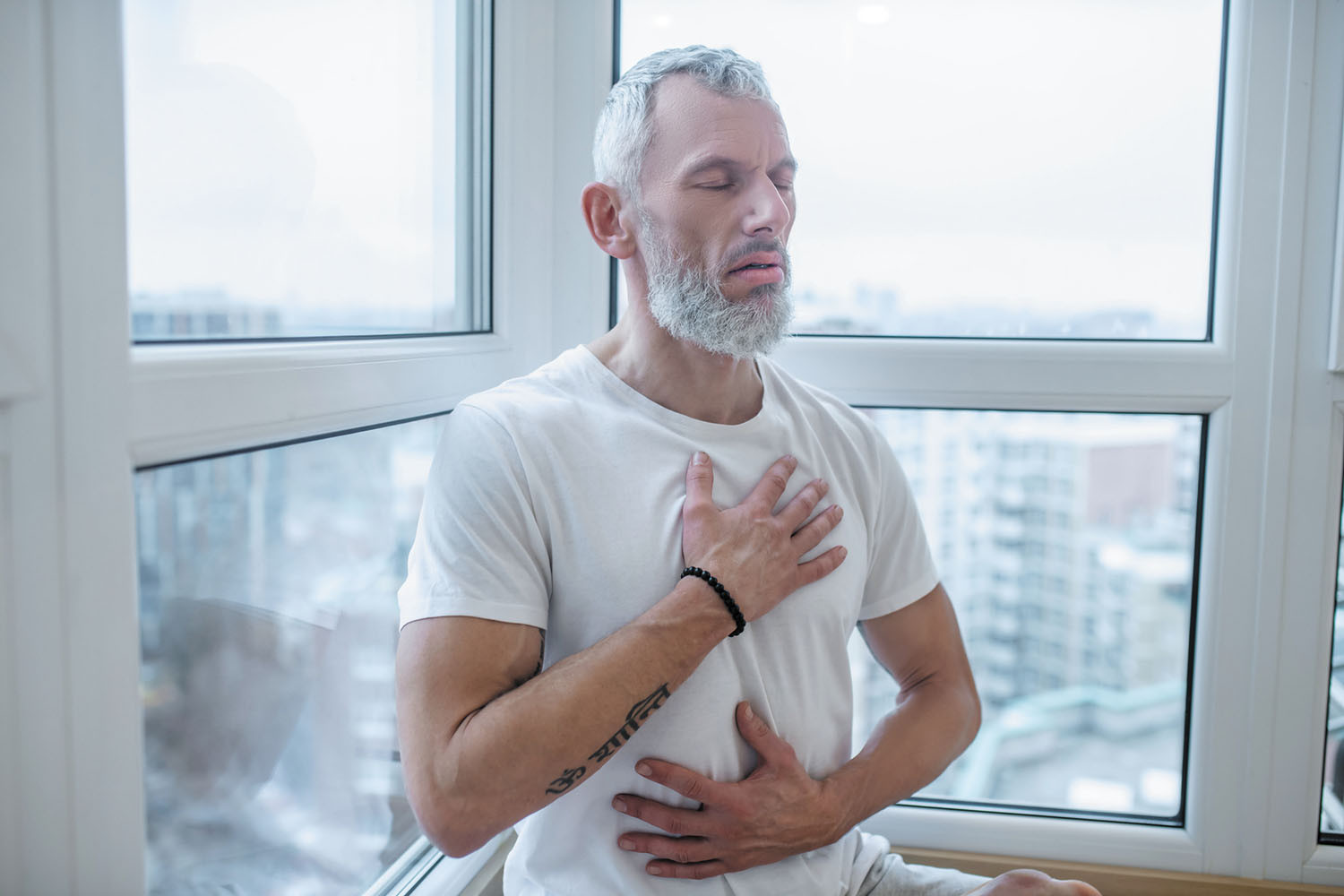
Try this: Take a tactical breather
Tactical breathing used by military and law enforcement personnel can help people manage anxiety and stay mentally sharp during stressful situations. It can also help calm a racing mind or soothe pain.
Physical therapy provides modest improvement for chronic low back pain
Kinesio taping offers only modest relief for musculoskeletal disorders
Scoliosis treatment: Can it help as you get older?
What factors speed up aging?
New resistance training guidance may simplify your workout
The problem with "classic" Lyme disease symptoms
Healthier plant-based diet tied to lower risk of dementia
Is MRI contrast dye safe?
Are those body aches a sign of gallstones?
Staying active throughout middle age may lower women's risk of dying early
Free Healthbeat Signup
Get the latest in health news delivered to your inbox!
Sign Up