
Physical therapy provides modest improvement for chronic low back pain
Kinesio taping offers only modest relief for musculoskeletal disorders

Scoliosis treatment: Can it help as you get older?

What factors speed up aging?
New resistance training guidance may simplify your workout

The problem with "classic" Lyme disease symptoms

Healthier plant-based diet tied to lower risk of dementia

Is MRI contrast dye safe?

Are those body aches a sign of gallstones?

Staying active throughout middle age may lower women's risk of dying early
Try This
Articles

Try this: Progressive muscle relaxation for sleep
People with insomnia can quiet a racing mind or relax a tense body with progressive muscle relaxation, which involves gradually tensing and relaxing muscles, beginning with the toes and working up the body.

Ways to regain your sense of smell
People who lose their sense of smell due to a virus or another cause are advised to begin smell retraining therapy as soon as possible. The therapy involves sniffing a wide variety of odor-generating elements, such as lemons or oranges, flowery perfumes, peanut butter, eucalyptus, rosemary, cinnamon, pine, peppermint, or cloves. Each material should be sniffed once or twice a day, for 30 seconds to two minutes. While sniffing, it helps to think about the scent and recall moments of smelling it in the past. This process helps trigger odor particle recognition, which is deeply seated in the brain and must be stimulated to re-establish function.

Try this: Winter skin care
People can take several measures to protect against winter dry skin, such as using an indoor humidifier, washing carefully, following a moisturizing routine, and covering exposed skin when outdoors.

Try this: Light therapy
Light therapy uses light boxes that emit a bright, white light. Exposure to this light can control a person's circadian rhythm-the body's internal 24-hour sleep-wake clock-and help manage and prevent seasonal affective disorder.
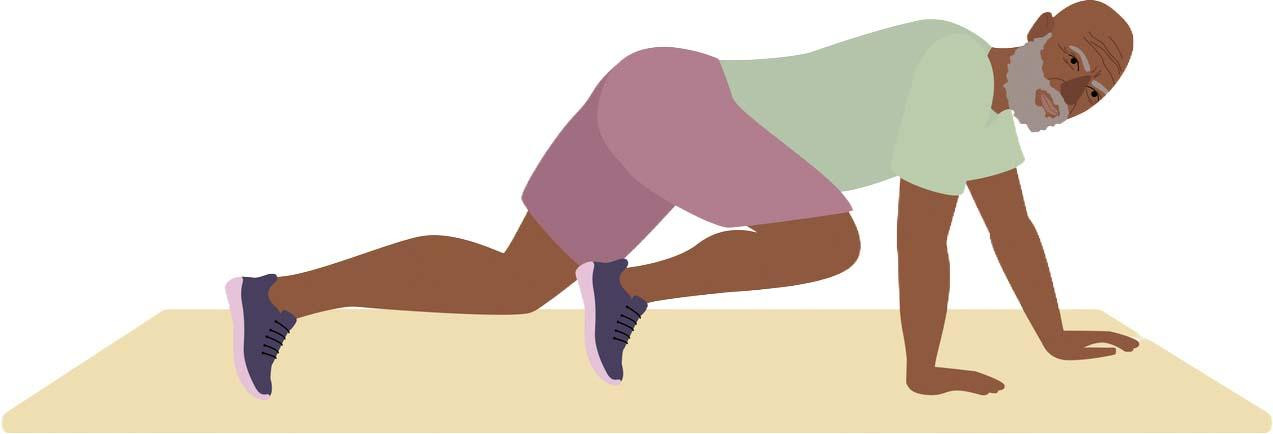
Try this: Bear crawl
The bear crawl is a body-weight exercise that consists of moving along the ground using only the hands and feet. The move is a fun way to strengthen core muscles and improve mobility, coordination, and balance.

Try this: Warm-up for walking and running
A three-step routine of leg swings, hip circles, and foot rolls can help prepare muscles and joints for running and walking and reduce the risk of soreness.

Try this: Hydration packs
A hydration pack is a backpack designed for almost any kind of outdoor activity that carries large amounts of water and allows easy, hands-free access, which provides a convenient way to stay hydrated without needing to stop for frequent water refills.

Try this: Laughter yoga is nothing to joke about
Laughter yoga blends traditional yoga movements with laughter therapy to offer a playful approach to stress management. The group sessions consist of physical exercises and stretches, relaxation and breathing techniques, and forced smiling and vigorous laughter.

Try this: Soothe those dry eyes
Many home remedies can soothe tired, dry eyes, such as applying warm compresses, taking regular breaks from electronics, staying hydrated, and using artificial tears. People who struggle using eye drops can try over-the-counter devices that make application easier.

Try this: Dealing with bedtime backaches
Men can overcome the barrier of back pain in the bedroom by trying different sexual positions and adjusting their intensity and frequency.
Physical therapy provides modest improvement for chronic low back pain
Kinesio taping offers only modest relief for musculoskeletal disorders
Scoliosis treatment: Can it help as you get older?
What factors speed up aging?
New resistance training guidance may simplify your workout
The problem with "classic" Lyme disease symptoms
Healthier plant-based diet tied to lower risk of dementia
Is MRI contrast dye safe?
Are those body aches a sign of gallstones?
Staying active throughout middle age may lower women's risk of dying early
Free Healthbeat Signup
Get the latest in health news delivered to your inbox!
Sign Up