

What is tempeh? Benefits, nutrition, and how to use it

Light exposure at night may raise risk for heart disease

Whole grains may improve several heart risk factors at once

A lumbar belt may help ease low back pain

Children of centenarians may stay healthier and live longer too, study finds

Signs of pneumonia: Sometimes vague and unexpected

The surprising link between ovarian cancer and the fallopian tubes

Using a vibration plate: What it can — and can't — do for your body

People who walk more or walk faster live longer, study finds

Rosacea treatments: What works?
Stroke Archive
Articles
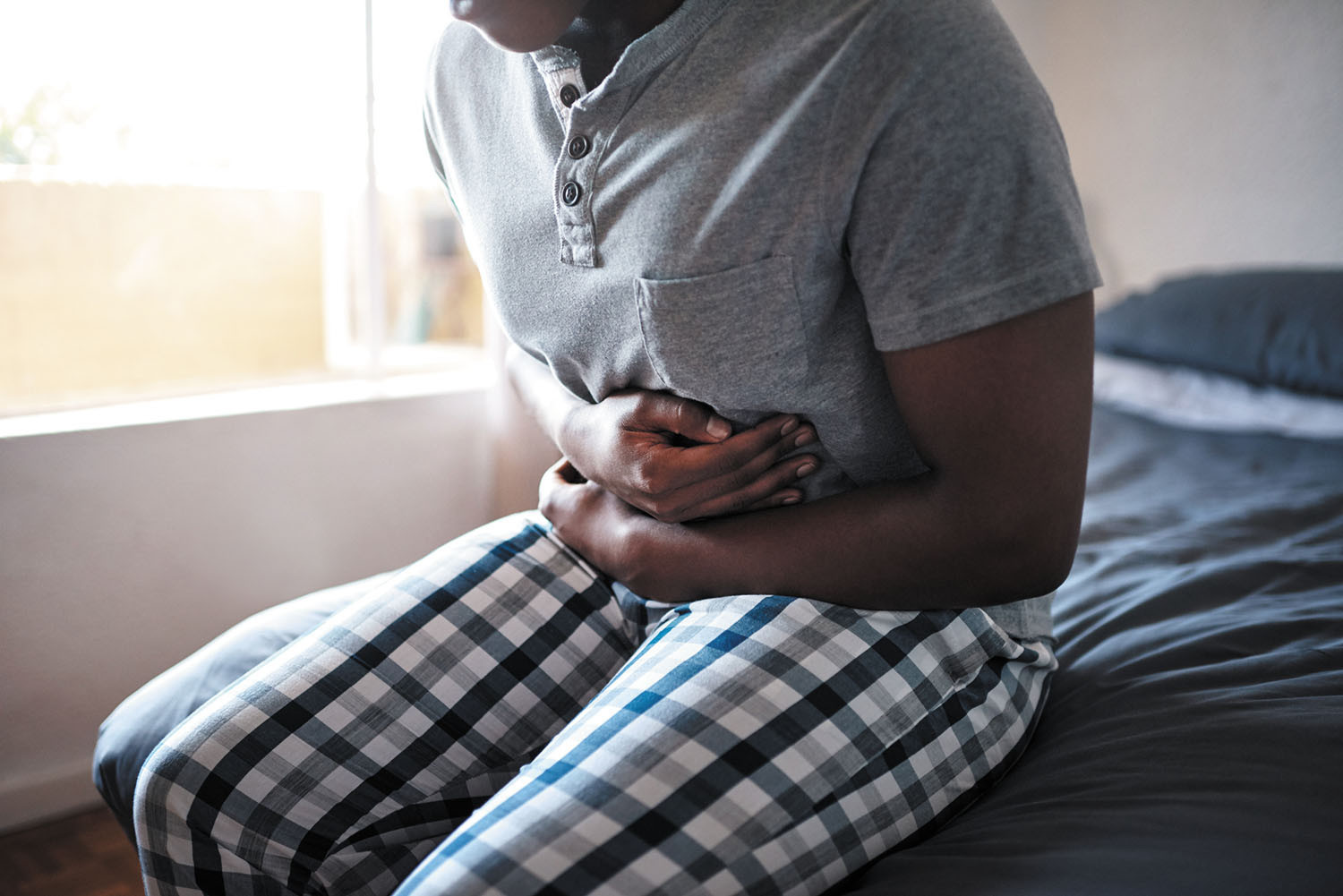
Don't get upset about indigestion
It's common for indigestion to become more frequent and severe with age, a condition called chronic dyspepsia or recurring indigestion. While most flare-ups can be treated with over-the-counter remedies, people can stop recurring problems by adopting lifestyle measures, such as reducing stress, avoiding excess alcohol, quitting smoking, losing extra weight, and eating smaller meals.


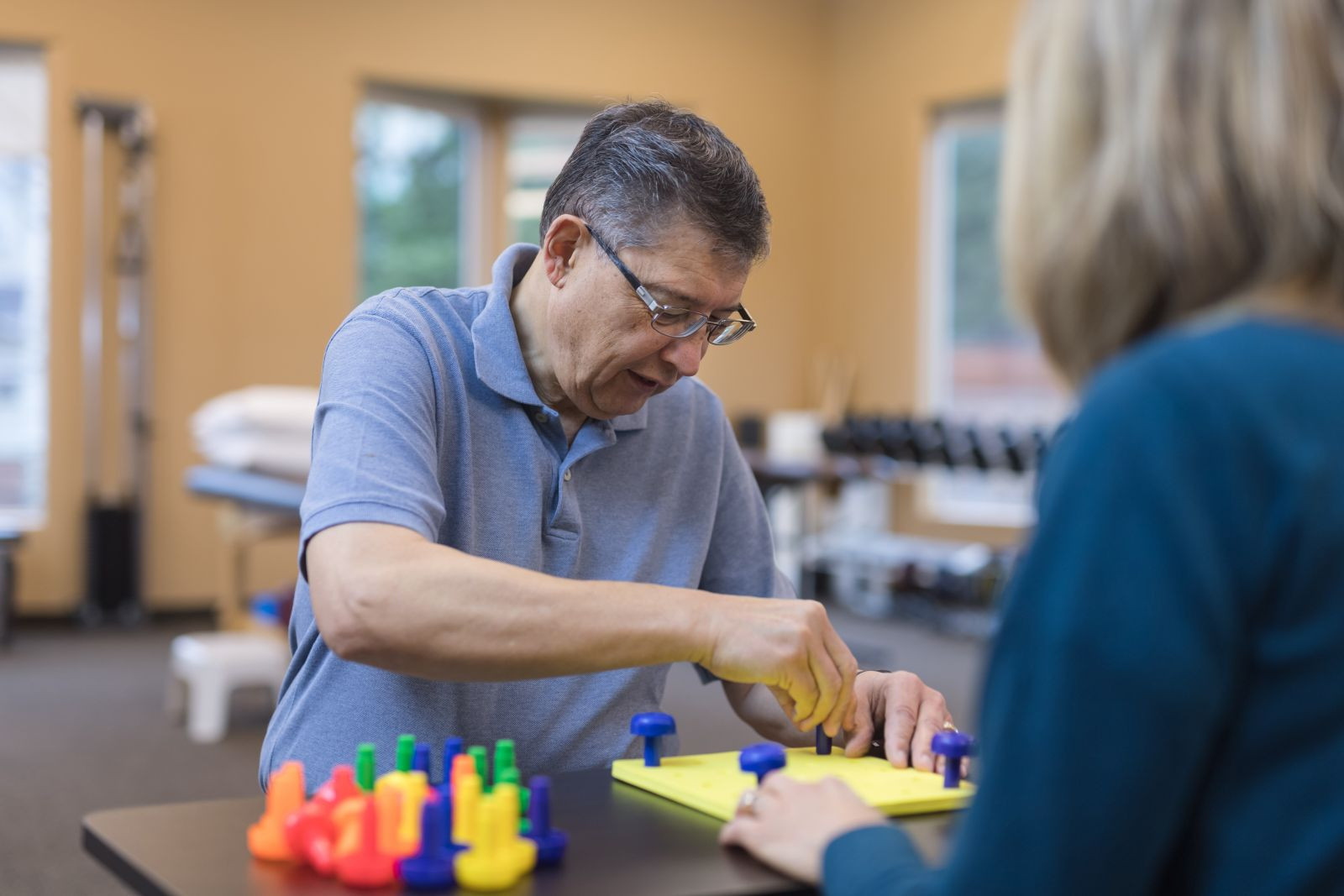


What is a hiatal hernia?
A hiatal hernia occurs when the stomach slides through a natural hole in the diaphragm, which can lead to acid reflux.

Are inflammatory bowel disease and irritable bowel syndrome the same?
Irritable bowel syndrome (IBS) and inflammatory bowel disease (IBD) are different, though they can have similar symptoms. IBS symptoms seem to arise from hypersensitive nerves and abnormal muscle contractions in the digestive tract, while IBD results from a problem with the immune system causing inflammation.


What is tempeh? Benefits, nutrition, and how to use it
Light exposure at night may raise risk for heart disease
Whole grains may improve several heart risk factors at once
A lumbar belt may help ease low back pain
Children of centenarians may stay healthier and live longer too, study finds
Signs of pneumonia: Sometimes vague and unexpected
The surprising link between ovarian cancer and the fallopian tubes
Using a vibration plate: What it can — and can't — do for your body
People who walk more or walk faster live longer, study finds
Rosacea treatments: What works?
Free Healthbeat Signup
Get the latest in health news delivered to your inbox!
Sign Up
