

Healing after food poisoning

What is tempeh? Benefits, nutrition, and how to use it

Light exposure at night may raise risk for heart disease

Whole grains may improve several heart risk factors at once

A lumbar belt may help ease low back pain

Children of centenarians may stay healthier and live longer too, study finds

Signs of pneumonia: Sometimes vague and unexpected

The surprising link between ovarian cancer and the fallopian tubes

Using a vibration plate: What it can — and can't — do for your body

People who walk more or walk faster live longer, study finds
Stroke Archive
Articles
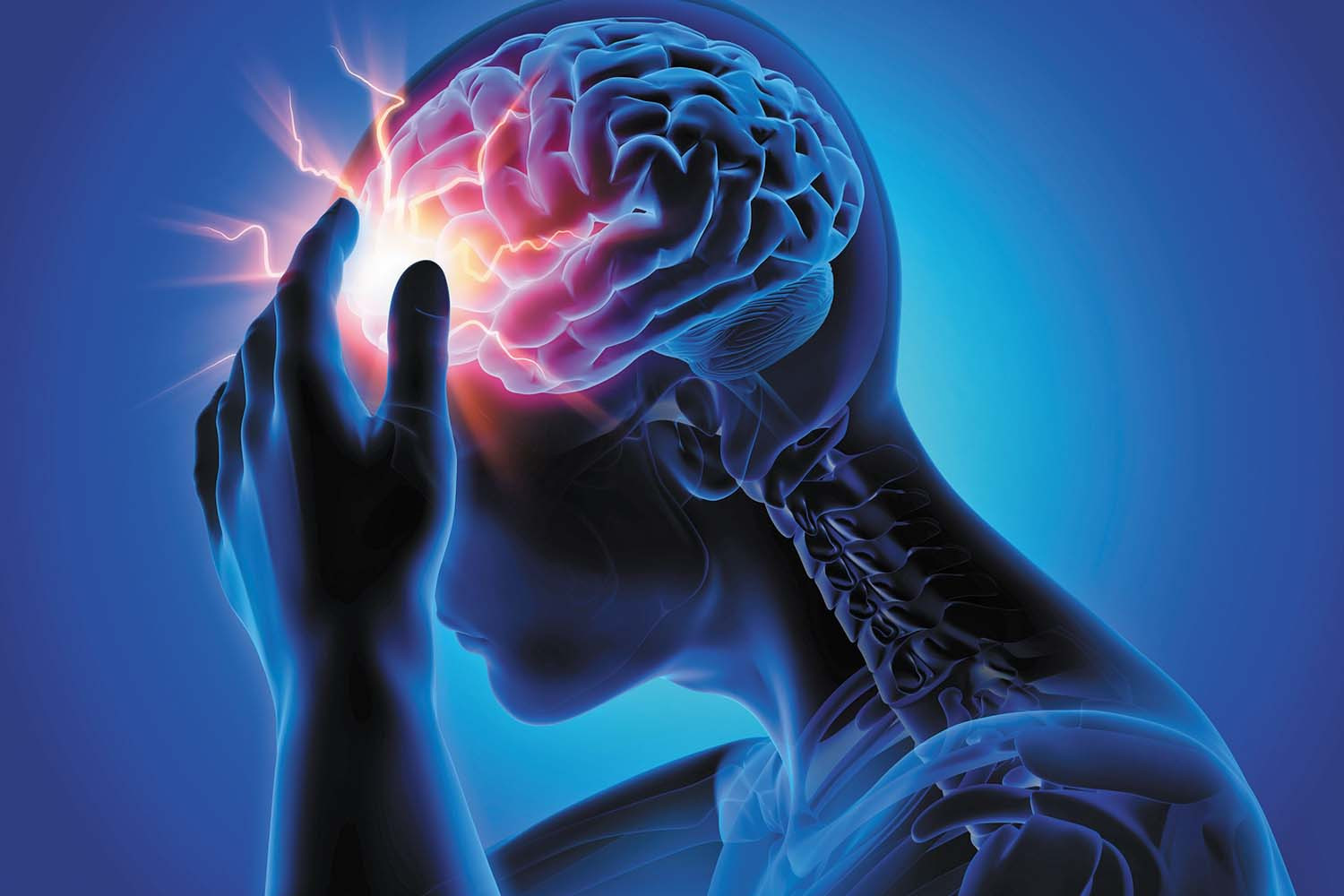
Top 7 reasons you have a headache
Headaches can have many triggers from allergies to stress, or even hunger. Understanding headache triggers can help you avoid one in the future. Here's a look at the most common triggers for each kind of headache.


Overcoming resistant hypertension
People are considered to have resistant hypertension if their blood pressure remains at or above 130/80 millimeters of mercury despite taking the highest dosage of at least three different blood pressure medications and following healthy habits. Many times, it helps to explore other factors that could cause blood pressure to rise. These include failure to take medication correctly, white-coat syndrome, sleep apnea, alcohol intake, and use of over-the-counter pain remedies.

Get moving to manage osteoarthritis
An estimated 32 million Americans suffer from osteoarthritis, and although exercise is often difficult and painful, a regular resistance training program can help them stay active, improve their level of function, reduce pain, and perhaps avoid the condition worsening to the point where they need a joint replacement. Consulting with a physical therapist is recommended to find the right program to meet a person's needs, fitness level, and limitations.

The (almost) last word on alcohol and health
Research into the health benefits of alcohol has not provided a clear answer. Some findings suggest that alcohol helps protect against heart disease and lowers the risk of heart attacks and strokes, and drinkers tend to live longer than nondrinkers. Other studies say these benefits are less clear. If you don't drink alcohol now, there are no health reasons to start drinking. If you do enjoy it, it's best to have no more than 2 drinks in the same day.

Could I have hypothyroidism?
Hypothyroidism occurs when the thyroid gland falls short in producing hormones that regulate functions such as metabolism, heart rate, and digestion. Symptoms include weight gain, fatigue, menstrual irregularities, forgetfulness, dry skin and hair, and feeling cold.

Sleep problems may raise the risk of stroke
A 2023 study suggests that sleep problems such as snoring, snorting, or getting too much or little sleep can significantly raise the odds of having a stroke.

9 GERD symptoms to know
Most people think of heartburn when they think of GERD. But there are several other symptoms. Learn 9 symptoms of this chronic condition and how to prevent them.


Breaking up with your favorite foods
Eating certain foods sometimes triggers indigestion or heartburn symptoms, particularly as people age. For example, consuming foods with certain natural sugars such as lactose may lead to cramping, diarrhea, bloating, and gas. Eating peppers, tomato sauces, and many other foods can worsen heartburn caused by gastroesophageal reflux disease (GERD). When one must remove trigger foods from the diet, there are alternatives that can also be satisfying, such as lactose-free dairy products. When removing a food isn't possible, some tricks—such as adding a dollop of sour cream—can help reduce the heat in spicy dishes.
Healing after food poisoning
What is tempeh? Benefits, nutrition, and how to use it
Light exposure at night may raise risk for heart disease
Whole grains may improve several heart risk factors at once
A lumbar belt may help ease low back pain
Children of centenarians may stay healthier and live longer too, study finds
Signs of pneumonia: Sometimes vague and unexpected
The surprising link between ovarian cancer and the fallopian tubes
Using a vibration plate: What it can — and can't — do for your body
People who walk more or walk faster live longer, study finds
Free Healthbeat Signup
Get the latest in health news delivered to your inbox!
Sign Up
