

What is tempeh? Benefits, nutrition, and how to use it

Light exposure at night may raise risk for heart disease

Whole grains may improve several heart risk factors at once

A lumbar belt may help ease low back pain

Children of centenarians may stay healthier and live longer too, study finds

Signs of pneumonia: Sometimes vague and unexpected

The surprising link between ovarian cancer and the fallopian tubes

Using a vibration plate: What it can — and can't — do for your body

People who walk more or walk faster live longer, study finds

Rosacea treatments: What works?
Stress Archive
Articles

Do hangovers damage the brain?
Ask the doctor
Q. With the holidays coming, I may be tempted to drink more than usual — maybe enough to have a hangover the next morning. I'm wondering if a hangover could actually damage my brain.
A. There have been a few scientific studies of that question. Recently, a team of scientists examined those existing studies, involving over 1,100 people, and came to some tentative conclusions, published online August 25 by the journal Addiction.

What’s good for your heart is good for your brain, even later in life
News briefs
Image: © Shuttermon/Getty Images
A French study published Aug. 21, 2018, in The Journal of the American Medical Association suggests that the more steps you take to boost your heart health, the lower your risk for developing dementia. Researchers evaluated health and lifestyle data for more than 6,000 men free of dementia and heart disease men in their 70s to see how they were doing when it came to following seven steps recommended by the American Heart Association: not smoking; controlling weight; getting regular physical activity; eating a healthy diet (that included fish twice a week or more, and fruits and vegetables at least three times per day); and maintaining healthy blood pressure, cholesterol, and blood sugar levels. Researchers also conducted psychological testing on participants at various times. After eight years, it appeared that men who followed five to seven of the healthy habits had the least risk (8%) for developing dementia during the study, compared with men who followed two or fewer habits (they had a 13% risk). The study was observational and doesn't prove that following heart-healthy habits will lower your dementia risk. But many other studies have made similar connections. The takeaway: It's not too late to try to prevent dementia.

The head-heart connection: Mental health and heart disease
Common mental health disorders are linked to a higher risk of heart attack and stroke. Learn to spot the warning signs.
Image: © imtmphoto/Getty Images
Heart disease and mental health issues are both common. So it's not surprising that these problems often occur together. But are people with depression or anxiety more prone to developing cardiovascular disease?
Teasing out the answer to that question has proved tricky. Some factors known to contribute to a higher risk of heart disease (for example, an unhealthy diet, lack of exercise, and smoking) are also common in people with mental health issues. Now, new research that adjusts for those potentially confounding factors suggests the answer is yes.

What is “broken-heart syndrome?”
This reversible heart condition — which often mimics a heart attack — is being recognized with increasing frequency.
Image: © dolgachov/Getty Images
The term "broken heart" usually conjures up the sad ending of a love affair. In fact, the death of a spouse is a commonly cited trigger for broken-heart syndrome — a temporary weakening of the heart that causes symptoms similar to a heart attack. Also known as stress cardiomyopathy, the condition usually results from severe physical or emotional stress, though sometimes there is no identifiable trigger. Although rare, it's now being recognized much more often than in the past.
"Stress cardiomyopathy was not on anyone's radar screen 25 years ago," says Patrick O'Gara, a cardiologist at Harvard-affiliated Brigham and Women's Hospital. Japanese doctors who first described the condition in the early 1990s called it takotsubo cardiomyopathy. Why? During an episode, the heart takes on an unusual shape that resembles a tako-tsubo (octopus pot), a traditional clay vessel a fisherman uses to trap an octopus.

What's good for the heart is good for the mind
The number of people with dementia is expected to climb to 50 million in the coming decades, but understanding the connection between vascular health and cognitive health allows people the opportunity to adopt heart-healthy habits that can also reduce their risk of dementia.


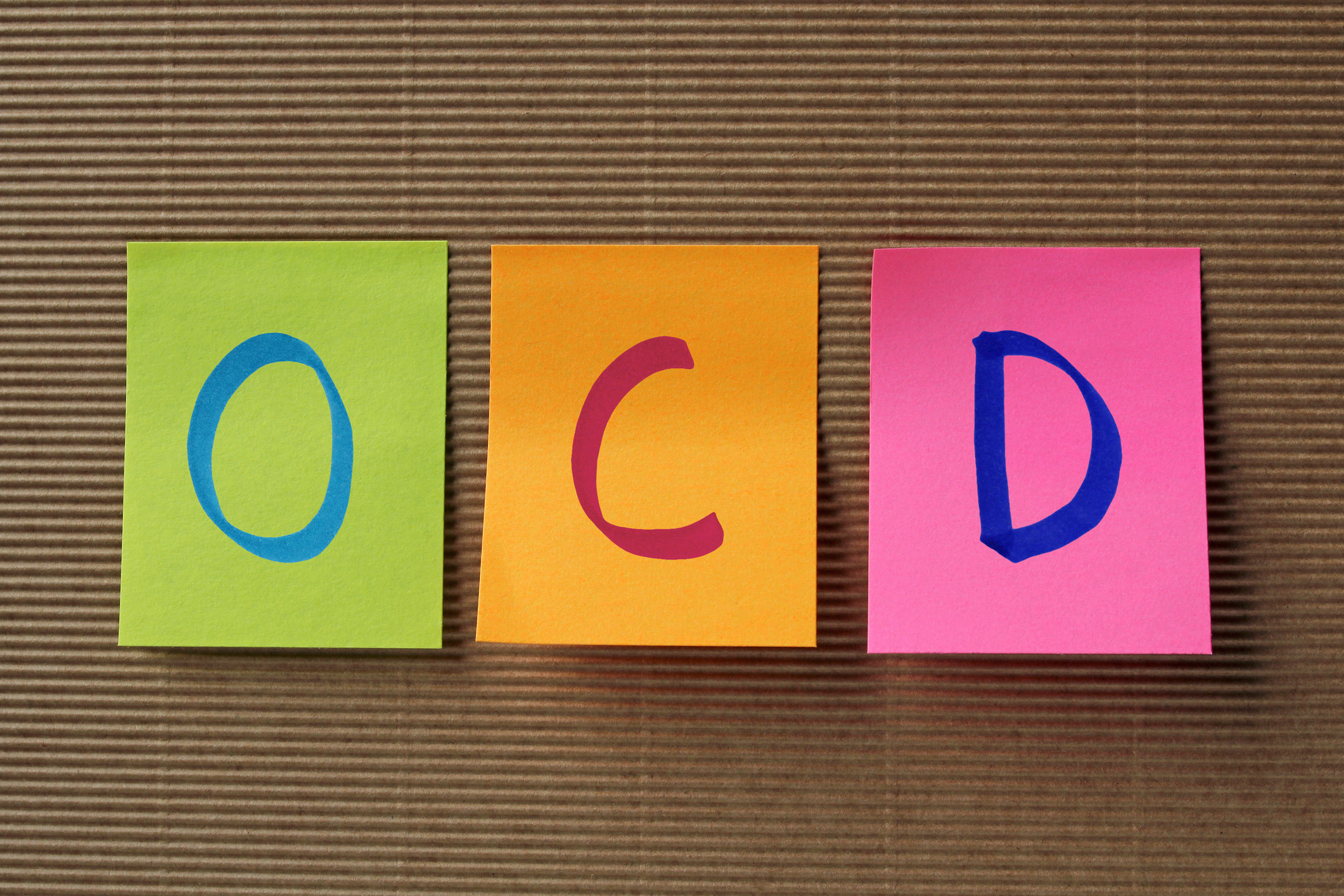

Is that brain fog really adult ADHD?
Sometimes attention deficit hyperactivity disorder is behind issues with memory and task completion.
Image: © monkeybusinessimages/Getty Images
You may be concerned about your memory if you notice that you're struggling to keep track of items you use each day, getting sidetracked when doing chores and other tasks, and tuning out during conversations. But it could be that you have attention deficit hyperactivity disorder (ADHD), a brain wiring difference once recognized only in children. In adults, ADHD often produces problems with memory and attention rather than hyperactivity.
"Two to three percent of people in their 60s or older have traits of ADHD that are impairing," says Dr. Craig Surman, a neuropsychiatrist and ADHD researcher at Harvard-affiliated Massachusetts General Hospital and co-author of the Harvard Health Publishing book FASTMINDS: How to Thrive If You Have ADHD (or think you might).

Spectator sports: How a high-stakes game may affect your heart
Research we're watching
Image: © FatCamera/Getty Images
Stressful events — even positive ones, such as watching an exciting sporting match — can affect your heart. During World Cup soccer and the National Football League's Super Bowl, rates of heart attacks and heart rhythm problems (arrhythmias) increase, both among sports fans and within the local population. A study published online August 20 by the American Journal of Cardiology takes a closer look at this risk.
Researchers examined data from 133 people with implanted cardiac devices in St. Louis, Mo., during two 10-day periods. The first was in early September of 2011 (the control period). The second was six weeks later during the World Series, when the St. Louis Cardinals played a series of dramatic games against the Texas Rangers.
What is tempeh? Benefits, nutrition, and how to use it
Light exposure at night may raise risk for heart disease
Whole grains may improve several heart risk factors at once
A lumbar belt may help ease low back pain
Children of centenarians may stay healthier and live longer too, study finds
Signs of pneumonia: Sometimes vague and unexpected
The surprising link between ovarian cancer and the fallopian tubes
Using a vibration plate: What it can — and can't — do for your body
People who walk more or walk faster live longer, study finds
Rosacea treatments: What works?
Free Healthbeat Signup
Get the latest in health news delivered to your inbox!
Sign Up
