

Healing after food poisoning

What is tempeh? Benefits, nutrition, and how to use it

Light exposure at night may raise risk for heart disease

Whole grains may improve several heart risk factors at once

A lumbar belt may help ease low back pain

Children of centenarians may stay healthier and live longer too, study finds

Signs of pneumonia: Sometimes vague and unexpected

The surprising link between ovarian cancer and the fallopian tubes

Using a vibration plate: What it can — and can't — do for your body

People who walk more or walk faster live longer, study finds
Stress Archive
Articles
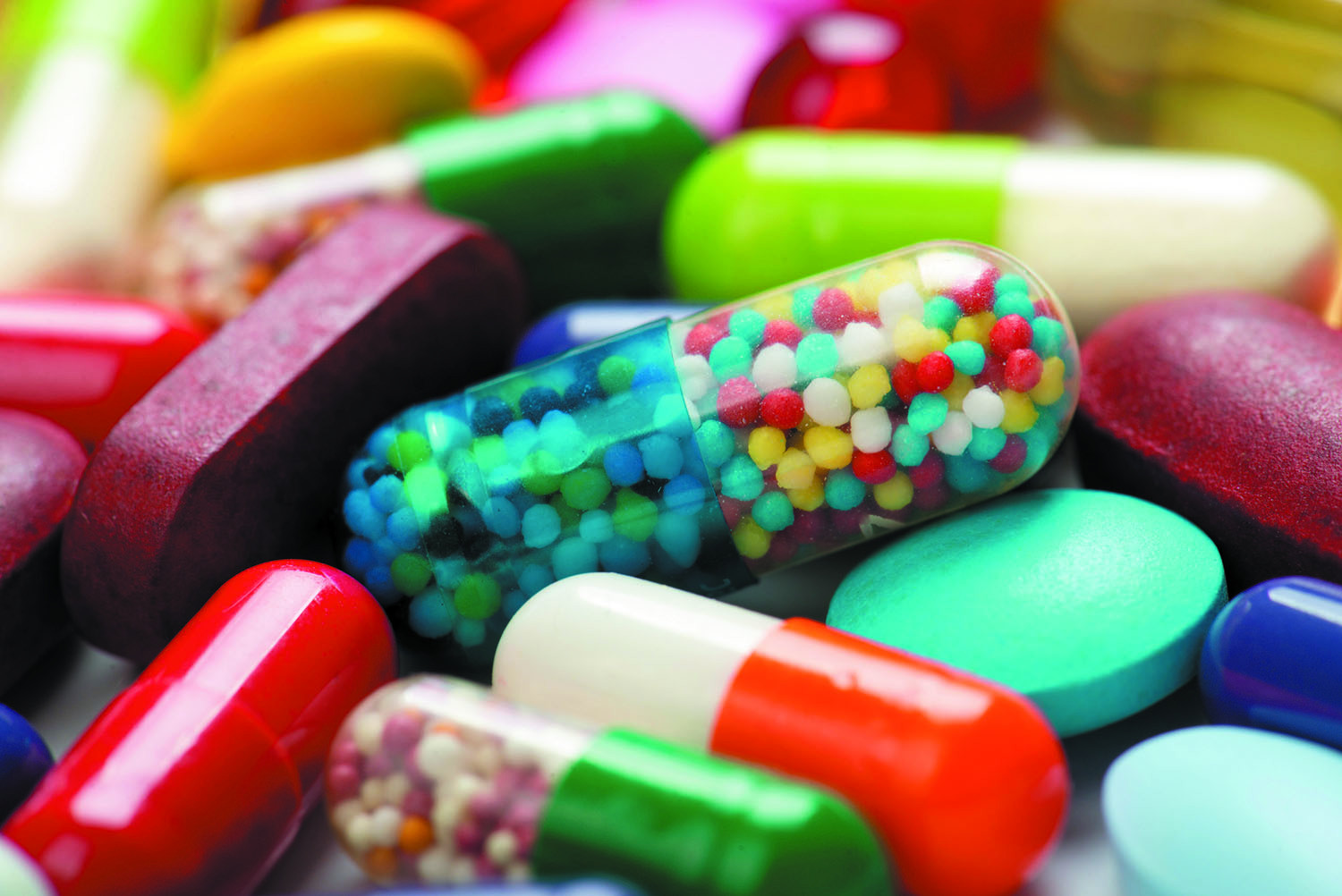
FDA: Certain antibiotics may bring serious risks
Research we're watching
In December 2018, the FDA issued a warning about certain antibiotics known as fluoroquinolones, a drug class that includes ciprofloxacin (Cipro) and levofloxacin (Levaquin). The drugs are associated with rare ruptures or tears in the body's main artery, the aorta, which can cause serious, sometimes fatal bleeding. Cases were reported in people taking these antibiotics orally or by injection.
Because of this risk, the FDA is advising doctors to try to avoid prescribing these antibiotics to people who are at higher risk for problems with the aorta, unless there are no other antibiotics available to treat the infection. This includes people who have high blood pressure, certain genetic disorders (such as Marfan syndrome and Ehlers-Danlos syndrome), or a history of arterial blockages or aneurysms.


Skipping a beat — the surprise of heart palpitations
Interesting heart palpitations causes and treatment for a case of the heart flutters
Does your heart unexpectedly start to race or pound, or feel like it keeps skipping beats? These sensations are called heart palpitations. For most people, heart palpitations are a once-in-a-blue-moon occurrence. Others have dozens of these heart flutters a day, sometimes so strong that they feel like a heart attack.
Most palpitations are caused by a harmless hiccup in the heart's rhythm. A few reflect a problem in the heart or elsewhere in the body.
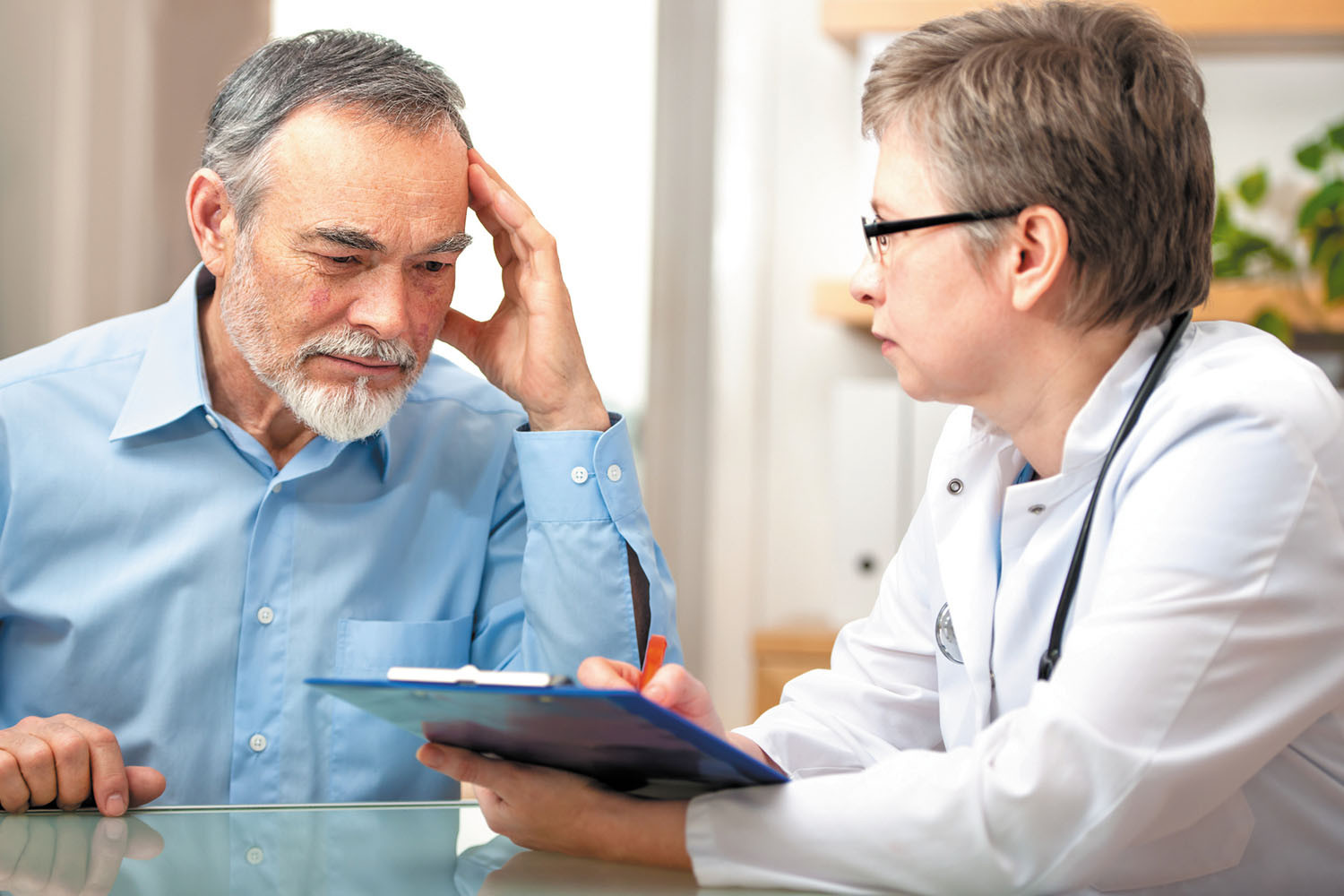
Grief can hurt — in more ways than one
Stress and depression may lead to new health issues or intensify the symptoms of existing conditions.
Image: © AlexRaths/Getty Images
We tend to think of grieving as an emotional experience, and it is — fraught with intense sadness, profound loss, and psychological pain. But grief has a physical side that sets us up for a number of health risks. "Most of these side effects are the result of emotional distress responses," explains Dr. Maureen Malin, a geriatric psychiatrist with Harvard-affiliated McLean Hospital. Whether you're grieving the loss of a loved one, a job, a home, or a beloved pet, it's important to understand how the process puts your health in jeopardy.
Stress and grief
Grieving takes a toll on the body in the form of stress. "That affects the whole body and all organ systems, and especially the immune system," Dr. Malin says. Evidence suggests that immune cell function falls and inflammatory responses rise in people who are grieving. That may be why people often get sick more often and use more health care resources during this period.
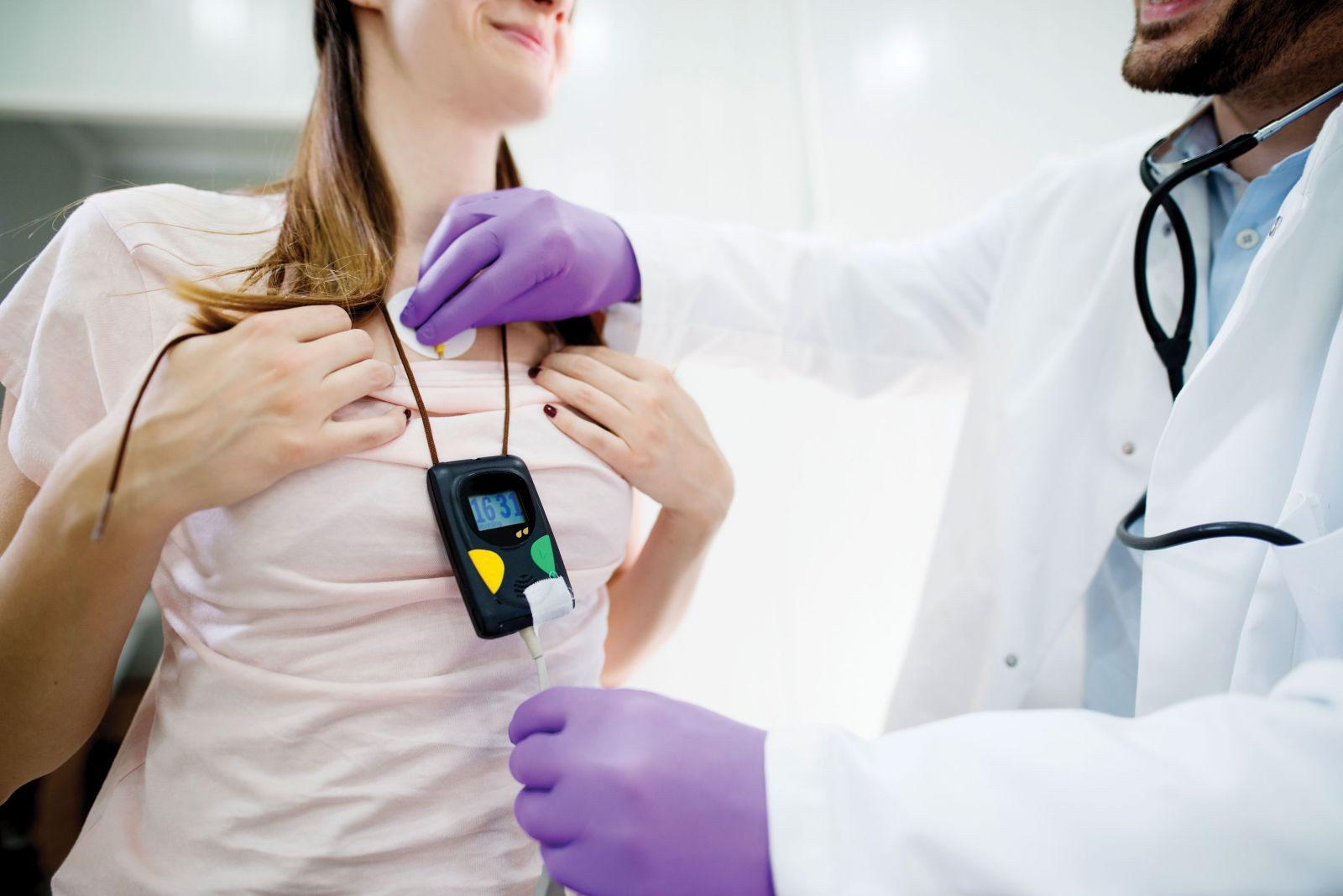
Heart palpitations: Mostly harmless
Occasionally these heart rhythm disruptions signal a more serious condition.
Image: © dusanpetkovic/Getty Images
Lately you've felt like a flipping fish is stuck inside your chest. You feel fine otherwise, but there it is again — flip, flop. It's gone as fast as it appears. But you're starting to worry: is it a sign of a serious heart problem?
Chances are what you're feeling is a condition called heart palpitations, which are usually harmless blips in the heart rhythm, explains Dr. Peter Zimetbaum, a professor of cardiovascular medicine at Harvard Medical School. Only occasionally are these rhythm disturbances the sign of a more serious heart problem that should be checked out.

Alzheimer's in the family
Dementia affects the person diagnosed but also raises fears for siblings and children. Here are the facts.
After a diagnosis of Alzheimer's disease, families face fears and difficult medical decisions.
Alzheimer's disease represents a personal health crisis, but it's also a family concern. What does it mean for your children or siblings if you are diagnosed with Alzheimer's? What does it mean for you if a close relative develops the condition?



Grieving? Don’t overlook potential side effects
The emotional weight of grief affects the body in the form of stress, which can make existing conditions worse or cause new ones, and can also lead to depression. Maintaining health may seem difficult while grieving, but doing so can help rebuild mental strength.

Omega-3s for anxiety?
News briefs
Image: © emiliozv/Getty Images
Omega-3 fatty acid supplements may help ease anxiety symptoms in people diagnosed with a range of physical and mental health problems, according to a review published in the Sept. 14, 2018, JAMA Network Open. The report pooled findings from 19 different studies and included 1,200 people. Most of the studies compared omega-3 supplements to a placebo. Taken together, the studies included people with a range of health problems, including heart attacks, attention deficit disorder, substance abuse, depression, and Parkinson's disease, as well as some groups without any specific clinical diagnosis. Researchers found that people who took high doses of omega-3s (up to 2,000 mg a day) seemed to have the most reduction in anxiety symptoms. Omega-3 fatty acids, which are usually derived from fish oil, have a number of biological effects in the body. Brain membranes contain a high proportion of these fats, and human studies suggest that a lack of omega-3s in the brain may induce various behavioral and psychiatric disorders. For now, it's too soon to recommend high-dose omega-3 supplements for treating anxiety. Larger trials testing the supplements (both alone and combined with standard treatments) are needed, the study authors say.
Healing after food poisoning
What is tempeh? Benefits, nutrition, and how to use it
Light exposure at night may raise risk for heart disease
Whole grains may improve several heart risk factors at once
A lumbar belt may help ease low back pain
Children of centenarians may stay healthier and live longer too, study finds
Signs of pneumonia: Sometimes vague and unexpected
The surprising link between ovarian cancer and the fallopian tubes
Using a vibration plate: What it can — and can't — do for your body
People who walk more or walk faster live longer, study finds
Free Healthbeat Signup
Get the latest in health news delivered to your inbox!
Sign Up
