

Healing after food poisoning

What is tempeh? Benefits, nutrition, and how to use it

Light exposure at night may raise risk for heart disease

Whole grains may improve several heart risk factors at once

A lumbar belt may help ease low back pain

Children of centenarians may stay healthier and live longer too, study finds

Signs of pneumonia: Sometimes vague and unexpected

The surprising link between ovarian cancer and the fallopian tubes

Using a vibration plate: What it can — and can't — do for your body

People who walk more or walk faster live longer, study finds
Stress Archive
Articles

Breathing lessons
Learning to "belly breathe" helps ease your body's response to stress and tension.
The average person takes between 17,000 and 23,000 breaths per day, but there is a good chance we don't always breathe the right way. Chalk it up to how we deal with stress.
"When we feel something as a threat, our fight-or-flight response automatically kicks in," says Dr. Katherine Rosa, with the Harvard-affiliated Benson-Henry Institute for Mind Body Medicine. "Our breathing becomes more rapid and shallow and our hearts beat faster, all of which prepares us to run away from the threat."
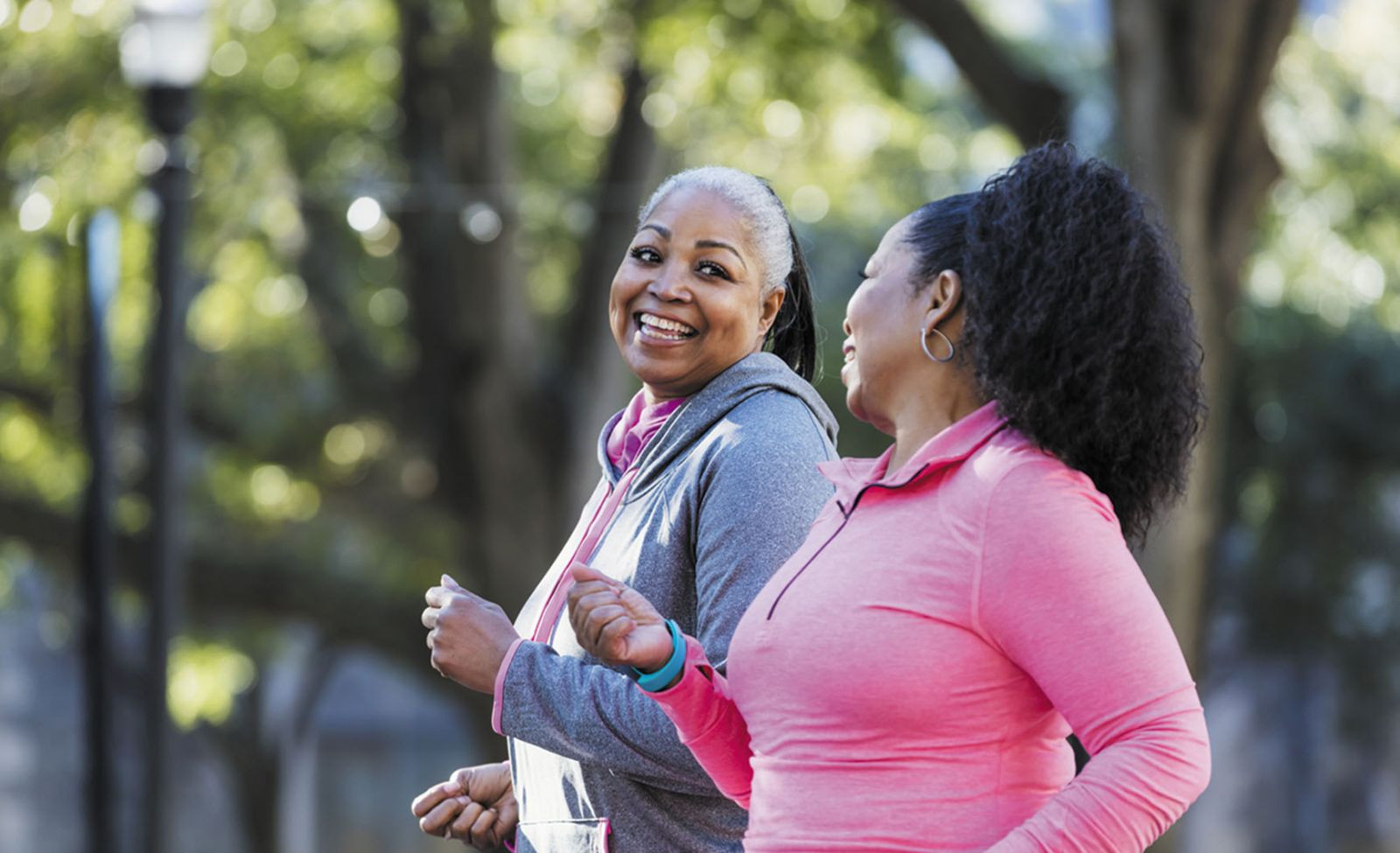
More evidence that exercise can boost mood
Running for 15 minutes a day or walking for an hour reduces the risk of major depression, according to a recent study.
It may be possible to outrun depression, according to a study published online January 23 by JAMA Psychiatry.
"We saw a 26% decrease in odds for becoming depressed for each major increase in objectively measured physical activity," says study author Karmel Choi, a clinical and research fellow at the Harvard T.H. Chan School of Public Health. "This increase in physical activity is what you might see on your activity tracker if you replaced 15 minutes of sitting with 15 minutes of running, or one hour of sitting with one hour of moderate activity like brisk walking."
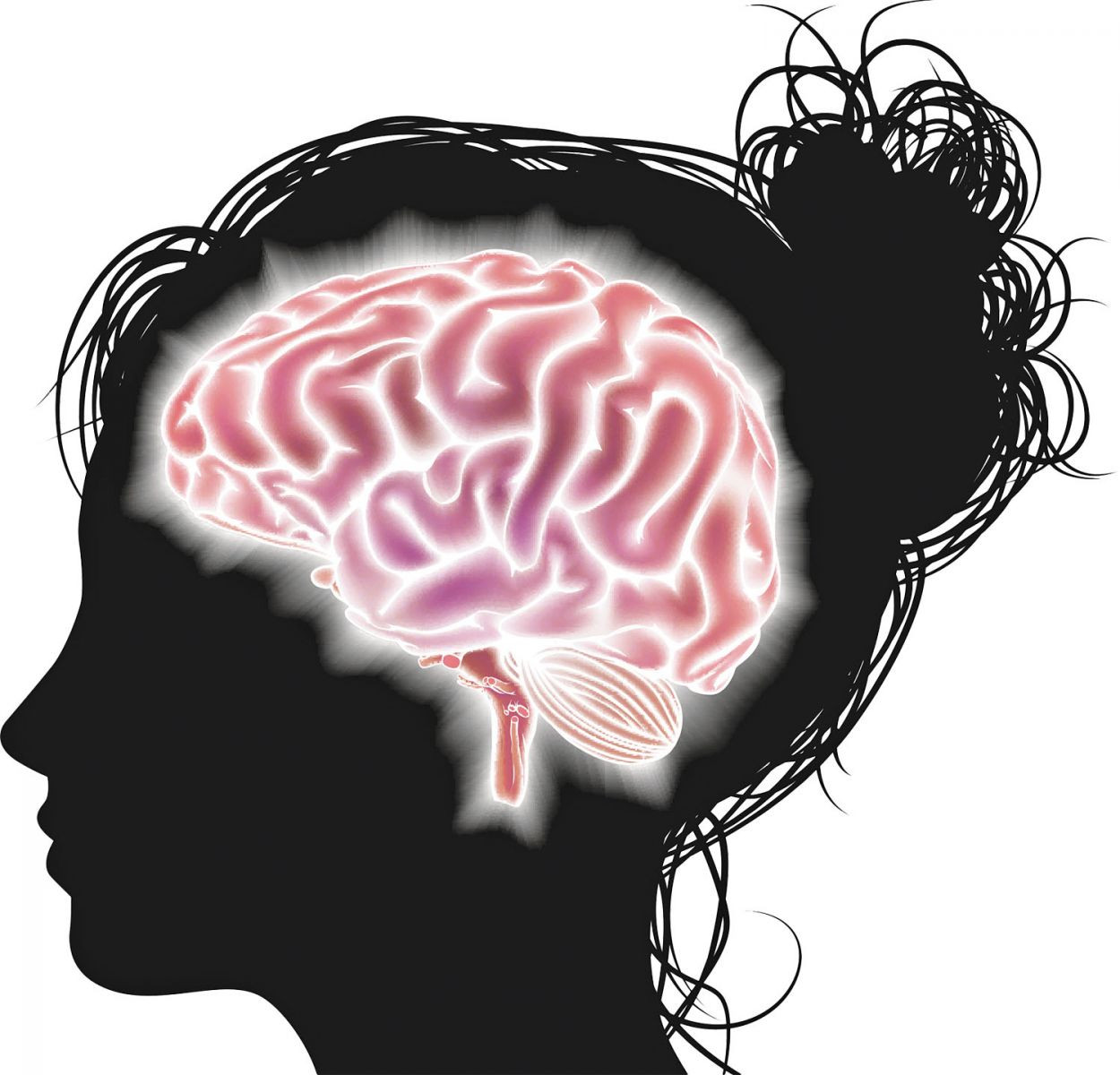
Chronic inflammation may put your brain at risk
Research we're watching
Not only might chronic inflammation affect your heart health, but it could also lead to cognitive decline, according to a study published in the February issue of Neurology. Researchers measured inflammation in more than 12,000 middle-aged adults, assigning each a composite score using four inflammation-related biomarkers found in the blood. They then assessed the cognitive function of the participants in three separate visits over the next 20 years. They found that after adjusting for demographic and other variables, inflammation appeared to be associated with increased cognitive decline. People in the study who had higher inflammation scores experienced 7.8% greater cognitive decline when compared with study participants who had lower scores.
Image: © ChrisGorgio/Getty Images

Mother’s Day: Tools for coping when celebration brings pain
Mother’s Day is meant to be a day of celebration. But for many women it can also be a day of discomfort. Tools for coping may make this easier to manage.



Questions & Answers: Does Accutane cause depression?
ARCHIVED CONTENT: As a service to our readers, Harvard Health Publishing provides access to our library of archived content. Please note the date each article was posted or last reviewed. No content on this site, regardless of date, should ever be used as a substitute for direct medical advice from your doctor or other qualified clinician.
Q. Does the acne drug, isotretinoin (Accutane), cause depression and suicide, or are psychiatric risks from the Accutane side effects exaggerated?



Can exercise and diet help mild cognitive impairment?
News briefs
We often tell you about using aerobic exercise and a healthy diet to try to stave off dementia. But will those approaches help if you already have the slight but noticeable change in memory and thinking known as mild cognitive impairment (MCI)? A small randomized trial (the gold standard type of study) published online Dec. 19, 2018, by Neurology suggests the combination of diet and exercise may indeed help. Researchers studied 160 sedentary older adults who had MCI as well as one or more cardiovascular disease risk factors, such as high cholesterol. Participants were randomly assigned to do aerobic exercise, to follow a heart-healthy diet (the Dietary Approaches to Stop Hypertension, or DASH, diet), to do a combination of aerobic exercise and the DASH diet, or to just get weekly heart health education. After six months, people who just exercised several times a week got a little bump in executive function (thinking skills that help us plan and organize), but the biggest change was seen in people who both followed the DASH diet and did aerobic training three times a week. Their improved planning skills were equivalent to reversing nearly 10 years of brain aging, compared with study participants who didn't exercise or improve their diets. The findings demonstrate that it's never too late to start exercising and eating right.
Image: © adamkaz/Getty Images
Healing after food poisoning
What is tempeh? Benefits, nutrition, and how to use it
Light exposure at night may raise risk for heart disease
Whole grains may improve several heart risk factors at once
A lumbar belt may help ease low back pain
Children of centenarians may stay healthier and live longer too, study finds
Signs of pneumonia: Sometimes vague and unexpected
The surprising link between ovarian cancer and the fallopian tubes
Using a vibration plate: What it can — and can't — do for your body
People who walk more or walk faster live longer, study finds
Free Healthbeat Signup
Get the latest in health news delivered to your inbox!
Sign Up
