

What is tempeh? Benefits, nutrition, and how to use it

Light exposure at night may raise risk for heart disease

Whole grains may improve several heart risk factors at once

A lumbar belt may help ease low back pain

Children of centenarians may stay healthier and live longer too, study finds

Signs of pneumonia: Sometimes vague and unexpected

The surprising link between ovarian cancer and the fallopian tubes

Using a vibration plate: What it can — and can't — do for your body

People who walk more or walk faster live longer, study finds

Rosacea treatments: What works?
Stress Archive
Articles

Strengthen your mood with weight training
Performing resistance exercises could help ease symptoms of depression.
Pumping iron might inflate not only your muscles, but also your mood, says a study in published in the June issue of JAMA Psychiatry.
The study's authors came to this conclusion after examining the results of 33 randomized clinical trials involving more than 1,800 people. They found that people with mild to moderate depression who performed resistance training two or more days a week saw "significant" reductions in their symptoms, compared with people who did not. The findings also suggested that resistance exercises may be even more beneficial for those with more severe depressive symptoms.
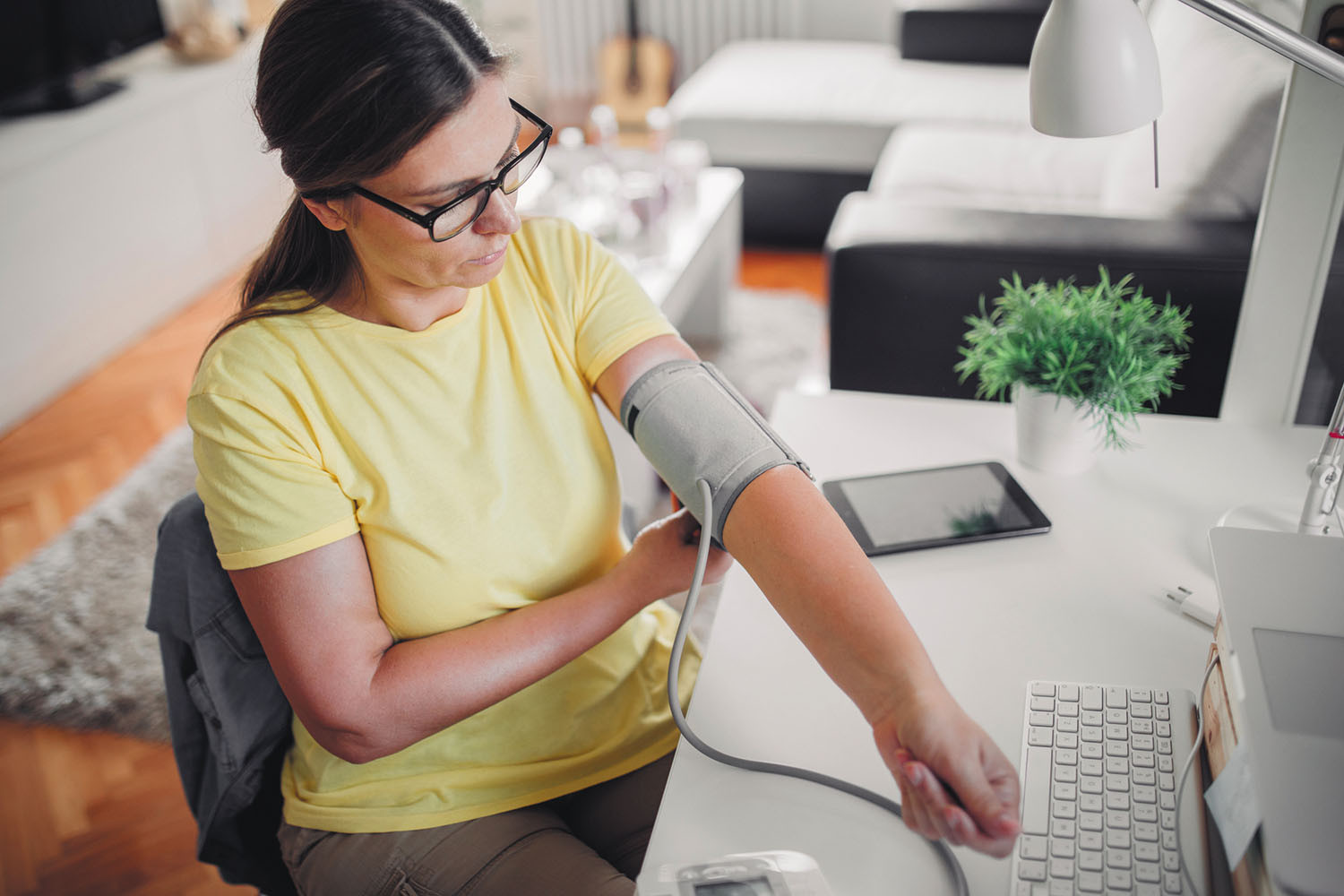
Blood pressure treatment might protect your brain
Research we're watching
Image: © mixetto/Getty Images
Aggressively treating high blood pressure might help ward off cognitive changes, according to findings presented at the Alzheimer's Association International Conference in July. Researchers from the Systolic Blood Pressure Intervention Trial compared two strategies to manage high blood pressure in more than 9,300 older adults (average age about 68). One strategy aims to achieve the standard treatment level for high systolic blood pressure (the first number in a blood pressure reading), keeping it under 140 mm Hg. The more aggressive strategy sets a goal of less than 120 mm Hg. The aggressive strategy reduced not only heart risks, but seemed to protect the brain.
People in the more aggressively controlled blood pressure group were 19% less likely than those in the standard treatment group to develop new cases of mild cognitive impairment (often a forerunner to dementia). They were also 15% less likely to develop any form of dementia or mild cognitive impairment. This study provides another reason to work with your doctor to reduce high blood pressure.
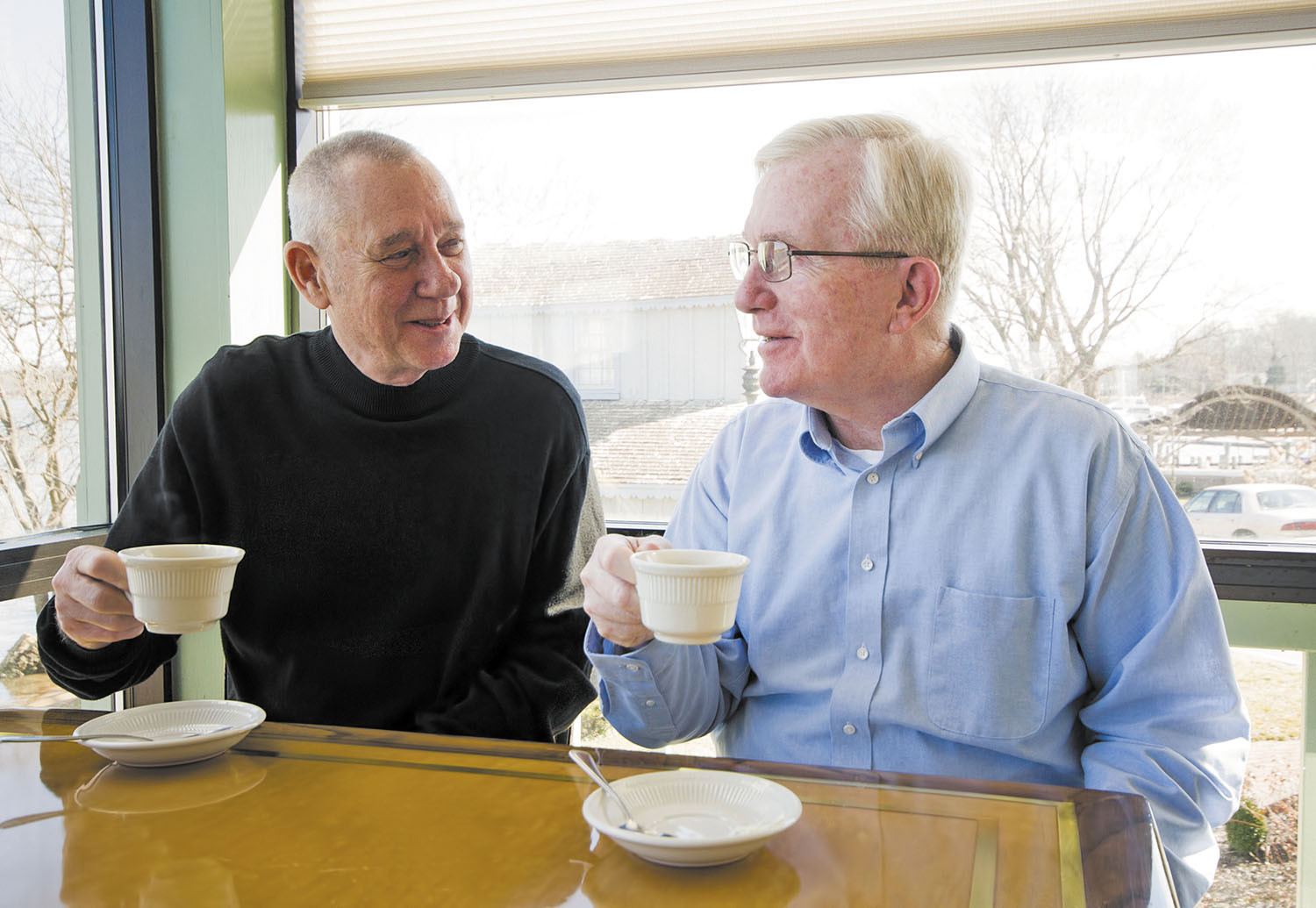
An introvert’s guide to healthy social engagement
Being more social is linked with greater health benefits, but what if you're not comfortable in the company of others?
Image: © Robert Kirk/Getty Images
Research continues to stress the relationship between social connection and long-term health. Interacting regularly with other people appears to lower your risk for heart disease, depression, and early death.
But what if being social is not who you are? People who are introverts — that is, they prefer time alone over group outings — are often at a disadvantage when it comes to social engagement.

Poor vision affects driving skills and brain function
In the journals
Image: © Martin Barraud/Getty Images
More reasons to take good care of your eyes: it may protect against cognitive decline and keep you safe behind the wheel, according to two studies published online June 28, 2018, by JAMA Ophthalmology.
In the first study, researchers looked at almost 560,000 adults ages 65 and older and found they had 9% fewer serious car crashes in the year following cataract surgery. Besides causing blurry vision, cataracts can intensify the glare from headlights and sunlight, which can make driving dangerous, according to the researchers.

Depression and illness: Chicken or egg?
| Image: iStock |
When depression strikes, doctors usually probe what's going on in the mind and brain first. But it's also important to check what's going on in the body, since certain medical problems are linked to mood disturbances. In fact, medical illnesses — and medication side effects — may be behind nearly 10% to 15% of all cases of depression.
It's not uncommon for a physical illness to trigger depression. Up to half of heart attack survivors and those with cancer report feeling blue, and many are diagnosed with depression. Many people who have diabetes, Parkinson's, or other chronic conditions become depressed.

School refusal: When a child won’t go to school
The adjustment from summer vacation back to the structure and demands of the school year affects many students, but some experience so much anxiety that they avoid going to school. Understanding the reasons for school refusal can help parents identify problems and act quickly.

Writing as an antidote to loneliness
Because social connections are vital to human development and health, and writing is a way to form or strengthen a sense of connection to others, the creative expression of writing has been found to improve health and boost healthy emotions.

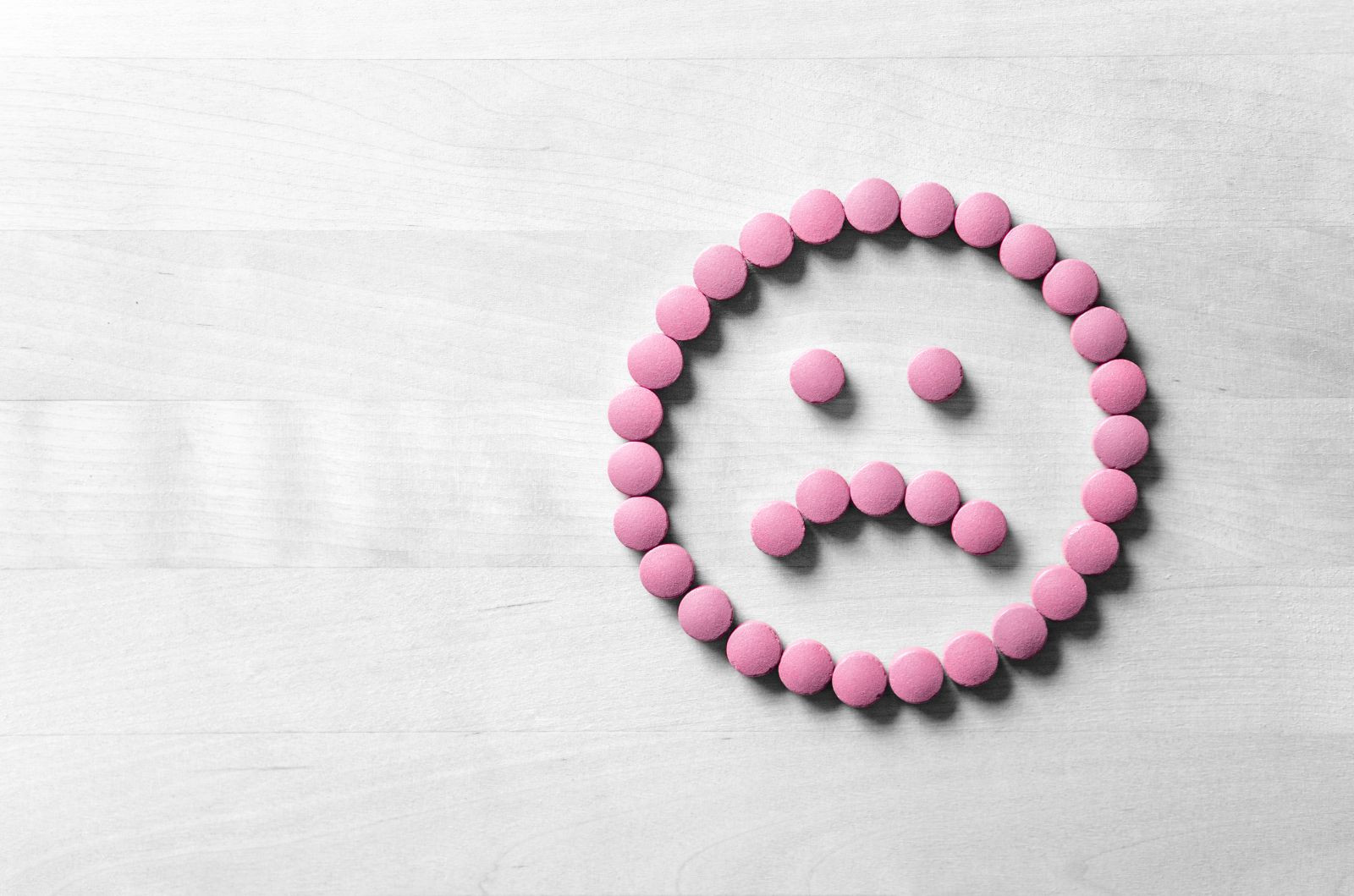
Depression risks in the medicine cabinet
News briefs
Are you taking a medication that has depression or suicidal thinking as a potential side effect? One or both risks have been linked to use of more than 200 prescription and over-the-counter pills, including medicines that treat high blood pressure, heartburn, pain, and headaches. The more of these drugs you use, the higher the likelihood that you'll experience depression, suggests a study published June 12, 2018, in The Journal of the American Medical Association. Working with five surveys conducted over a nine-year period, researchers evaluated health information from 26,192 adults. About 37% of them reported taking such medications. Of individuals taking three or more of the medications with depression as a possible side effect, about 15% reported depression, compared with about 5% in people not using those medications. Even for people already taking an antidepressant, the addition of one or more of the identified medicines was linked to higher rates of depression. This study was based on surveys, so it didn't prove that the medications caused the reported depression. Nonetheless, if you think you're depressed (and have symptoms such as apathy, hopelessness, changes in sleep or eating habits, and persistent fatigue), ask your doctor if any of the medicines you are taking may be responsible.
Image: © Tero Vesalainen | GettyImages

Midlife fitness may stave off depression and heart disease
Research we're watching
Image: © Juanmonino/Getty Images
Depression and heart disease often overlap. As many as one in five people with heart disease has depression. This common mood disorder is also linked to a higher risk of dying of heart disease.
Now, new research lends further support for the protective role of exercise for both conditions. The study, published online June 27 by JAMA Psychiatry, included nearly 18,000 people (mostly male) and used records dating back to the early 1970s. Researchers found that people who were fit during middle age were 16% less likely to develop depression after age 65.
What is tempeh? Benefits, nutrition, and how to use it
Light exposure at night may raise risk for heart disease
Whole grains may improve several heart risk factors at once
A lumbar belt may help ease low back pain
Children of centenarians may stay healthier and live longer too, study finds
Signs of pneumonia: Sometimes vague and unexpected
The surprising link between ovarian cancer and the fallopian tubes
Using a vibration plate: What it can — and can't — do for your body
People who walk more or walk faster live longer, study finds
Rosacea treatments: What works?
Free Healthbeat Signup
Get the latest in health news delivered to your inbox!
Sign Up
