

Naturally gluten-free foods

Harvard study: Healthier fats linked to longer life after prostate cancer diagnosis

Shingrix shingles vaccine linked with lower heart disease risks

Estrogen-only hormone therapy tied to lower dementia risk

Should you have a hysterectomy?

Stair climbing may significantly lower cardiovascular risks

Why do I sweat so much?

Walking pneumonia: The "mild" illness that can still pack a punch

What causes knee pain: How doctors make a diagnosis
Where you carry excess weight matters in predicting heart disease risk
Sexually transmitted infections (STIs) Archive
Articles
Finding hidden risk for heart disease
These conditions are associated with a higher risk.
Image: © IvelinRadkov/Getty Images
Most men are familiar with the common strategies to reduce their heart disease risk: keep cholesterol in check, manage high blood pressure, follow a heart-healthy diet, and perform regular exercise. But there may be other preventive steps you can take.
"Some age-related conditions can further increase your risk without you knowing it, which is why it's important to be mindful about all aspects of your health," says Dr. Michael Gavin, a cardiologist with Harvard-affiliated Beth Israel Deaconess Medical Center. "Fortunately, once they are recognized, these other risk factors can be addressed and managed."
Is my urinary difficulty a normal part of aging?
Ask the doctors
Image: © Stratol/Getty Images
Q. Sometimes I urinate normally, but often I have to wait for the stream to start, or it takes much longer to finish. It may even stop and start, so I have to sit on the toilet much longer than in the past. I do feel that I empty my bladder, but it takes a while. Is this normal?
A. Urinary problems after menopause are common and may be related to age-related hormonal shifts or may have a separate medical cause. For this reason, it's always best to visit your doctor to discuss the problem. Difficulty starting or maintaining a stream of urine may be caused by many factors, including a blockage, an infection, certain medications, or a nerve problem that's affecting your brain's ability to get signals to the bladder, among others. Your doctor will likely recommend tests to search for the underlying cause and to customize your treatment.

Mediterranean diet reduces stroke risk, particularly among women
Image: Bigstock
Research we're watching
Eating a Mediterranean-style diet, which is rich in fruits and vegetables, lean meats, and nuts, may help women over 40 reduce the risk of stroke, according to a study published in the journal Stroke.
The study enrolled more than 20,000 adults, ages 40 to 77, who were asked to record what they ate in a seven-day diet diary. Researchers then compared their diet and their stroke risk over a 17-year period.

Giving babies and toddlers antibiotics can increase the risk of obesity
Antibiotics are crucial tools in fighting illnesses, but over-reliance on them can have serious consequences. A new study found that babies who were given antibiotics in their first two years were significantly more likely to become obese.

Smoking tied to more aggressive prostate cancer
If you’re a smoker looking for another reason to quit, consider this: in addition to raising your risk of heart and lung disease, as well as cancers of the bladder and kidney, smoking could boost the odds that you will develop aggressive prostate cancer that metastasizes, or spreads through your body. That’s according to research […]




Is it safe for women to drink alcohol?
Ask the doctor
Image: © DragonImages/Getty Images
Q. The Harvard Health Letter has often said that it is generally healthy for women to have one alcoholic drink per day. Yet I hear a recent study showed no benefit. What's the truth?
A. Before answering your question, let's define "one drink": it's 12 ounces of beer, 5 ounces of wine, or 1.5 ounces of hard liquor. And it means having one drink each day of the week, not having seven drinks on Saturday night, sleeping it off Sunday, and begging off until next Saturday night. Now, despite the recent study, we stick with what we've said, which reflects the research of outstanding nutrition scientists at Harvard and elsewhere.
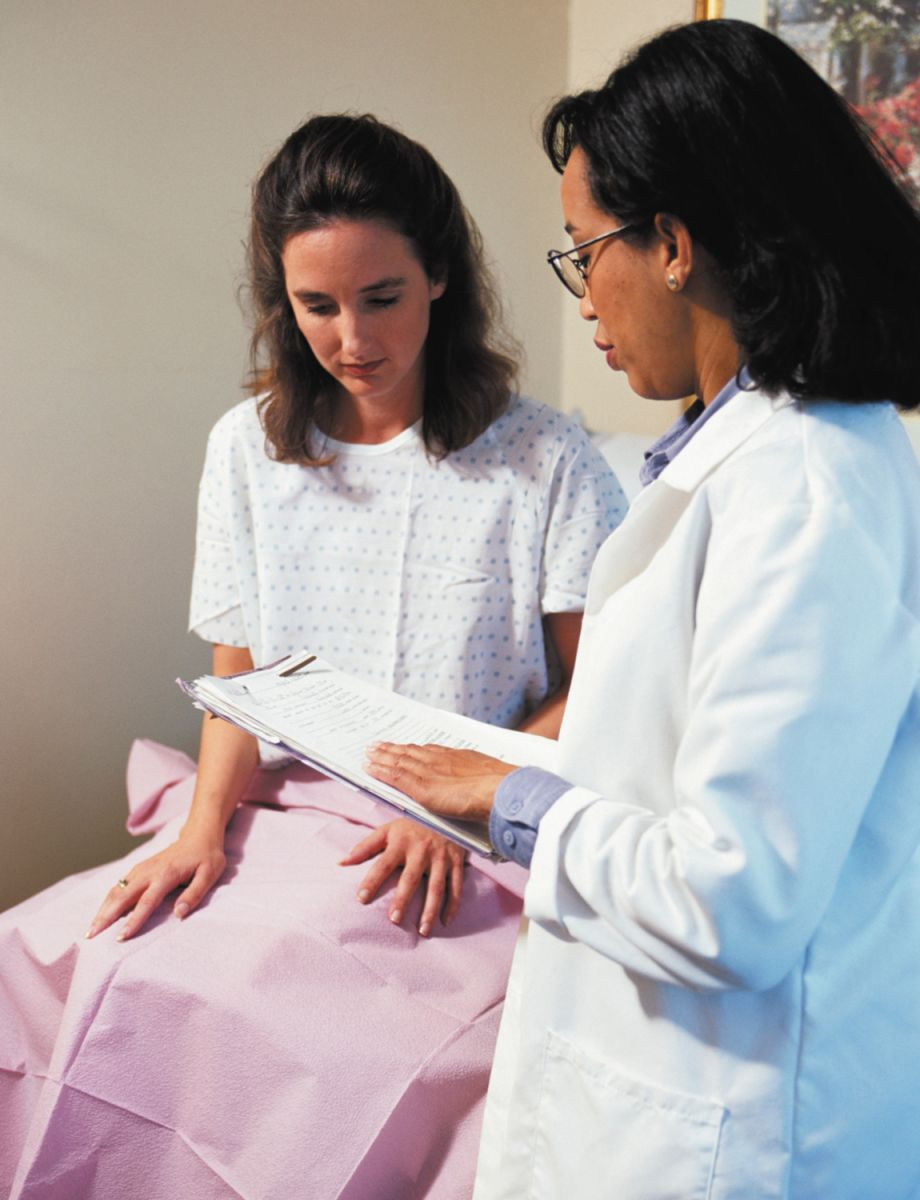
Screening guidelines for women: Incontinence and cervical cancer
News briefs
Older women: Take note of two new screening guidelines. One is for cervical cancer screening. Recommendations from the U.S. Preventive Services Task Force, published online Aug. 21, 2018, by the Journal of the American Medical Association, suggest that many women ages 30 to 65 can now approach cervical cancer screening in several ways: they can get a cervical cytology (Pap) test every three years; a test for human papillomavirus (which causes most cervical cancer cases) every five years; or they can get a combination of both tests every five years. If you're older than 65, the USPSTF recommends against screening unless you haven't had adequate tests before or you're at high risk for cervical cancer. The other screening guidelines are for urinary incontinence. They come from the Women's Preventive Services Initiative and were published online Aug. 14, 2018, by Annals of Internal Medicine. The guidelines recommend that women get screened for incontinence yearly, regardless of age. "I completely agree with brief annual screening for urinary incontinence for women. A simple question can be used to screen for it, such as, 'Do you have any bothersome urinary incontinence or urinary leaking during the day or night?' If the incontinence is treated early, in some cases, it will not progress and the patient will be able to avoid more invasive, costly, risky, or time-consuming treatment options," says Dr. May Wakamatsu, vice chair of gynecology services at Harvard-affiliated Massachusetts General Hospital.
Naturally gluten-free foods
Harvard study: Healthier fats linked to longer life after prostate cancer diagnosis
Shingrix shingles vaccine linked with lower heart disease risks
Estrogen-only hormone therapy tied to lower dementia risk
Should you have a hysterectomy?
Stair climbing may significantly lower cardiovascular risks
Why do I sweat so much?
Walking pneumonia: The "mild" illness that can still pack a punch
What causes knee pain: How doctors make a diagnosis
Where you carry excess weight matters in predicting heart disease risk
Free Healthbeat Signup
Get the latest in health news delivered to your inbox!
Sign Up
