

Naturally gluten-free foods

Harvard study: Healthier fats linked to longer life after prostate cancer diagnosis

Shingrix shingles vaccine linked with lower heart disease risks

Estrogen-only hormone therapy tied to lower dementia risk
Should you have a hysterectomy?

Stair climbing may significantly lower cardiovascular risks

Why do I sweat so much?

Walking pneumonia: The "mild" illness that can still pack a punch

What causes knee pain: How doctors make a diagnosis
Where you carry excess weight matters in predicting heart disease risk
Sexually transmitted infections (STIs) Archive
Articles

Newer breast screening technology may spot more cancers
Digital breast tomosynthesis may also reduce the number of unnecessary and nerve-racking callbacks for additional testing.
If you're in your 40s, you may want to consider switching from digital mammography to digital breast tomosynthesis (DBT) for your next breast cancer screening, say the authors of a study published online February 28 by JAMA Oncology.
A review of more than 170,000 screening mammograms using the two technologies determined that DBT — sometimes referred to as 3D mammography — did a better job at accurately detecting cancers in women of all ages. The advantages were most pronounced for women in their 40s. DBT was also better at finding cancers in women with high breast density, which can make cancers more difficult to spot on screening exams. High density indicates a larger proportion of active tissue in the breast and is a risk factor for breast cancer.


The latest deadly superbug, and why it's not time to panic
Infections from a drug-resistant fungus have been occurring around the world for the past decade. It's not cause for panic, but it's wise to understand the facts and ways to protect yourself.


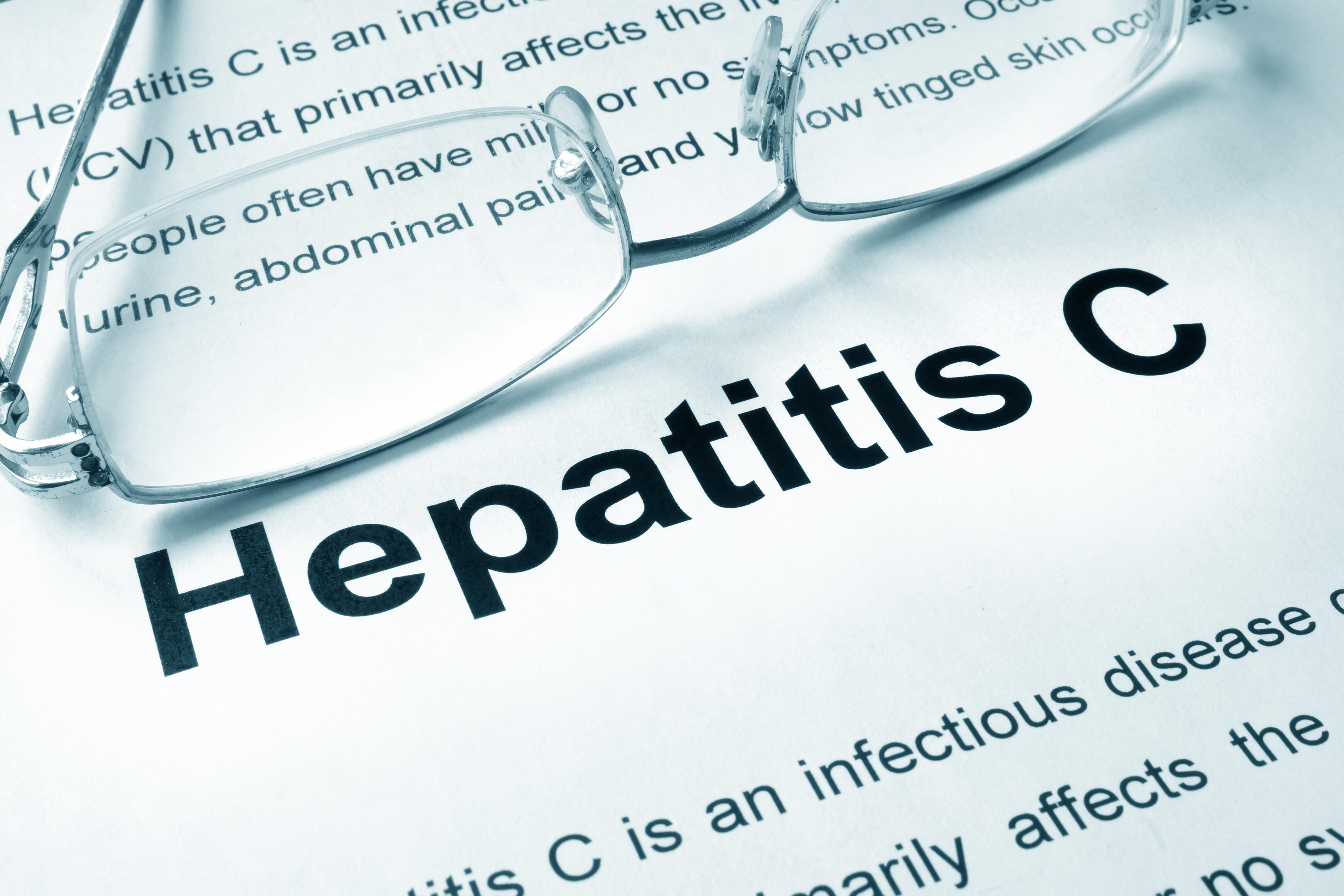
Baby boomers and hepatitis C: What’s the connection?
Because those in the baby boom generation account for around 75% of hepatitis C cases, the CDC and USPSTF are recommending that all baby boomers should get screened for the hepatitis C virus.
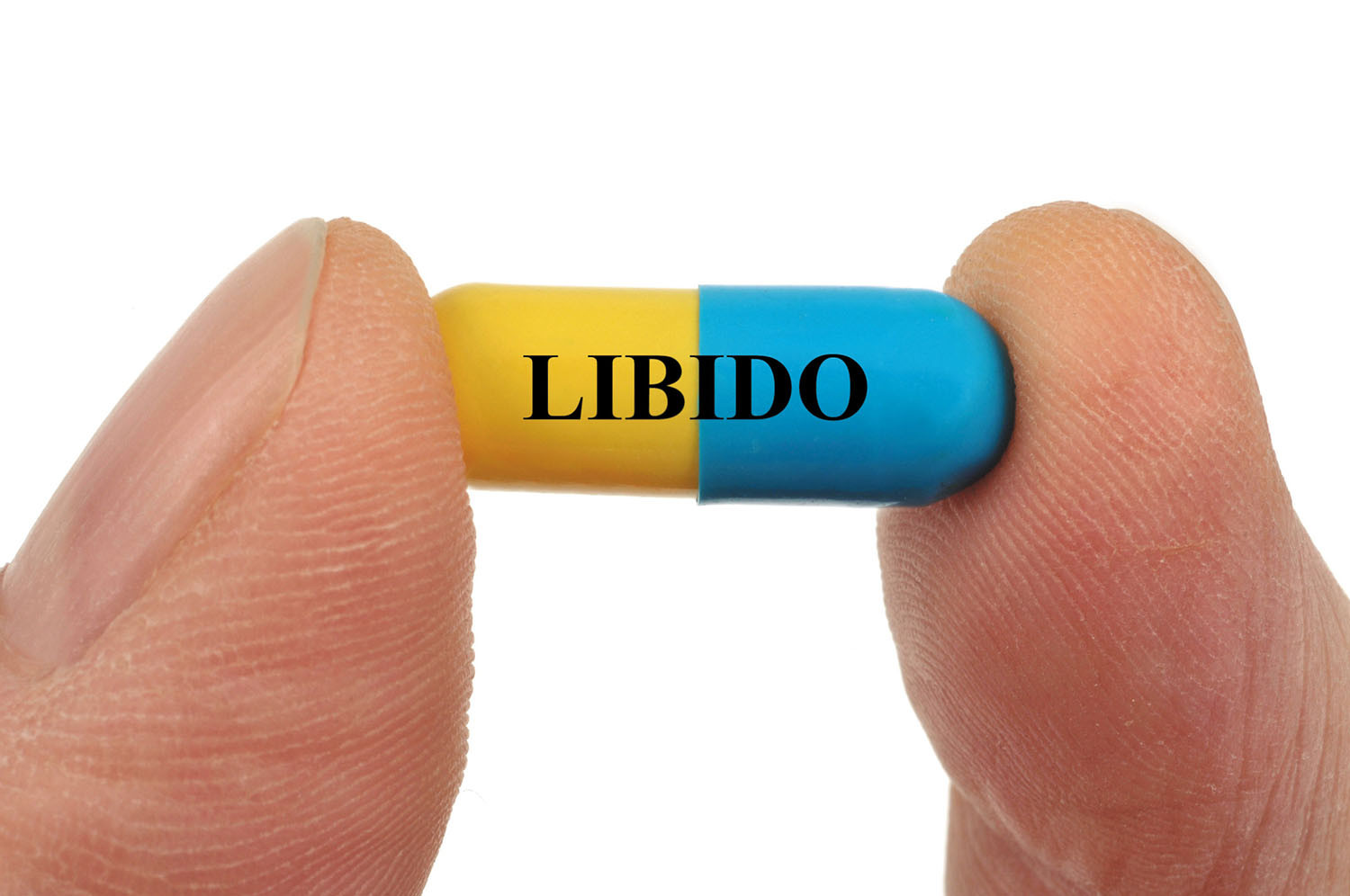
Can blood pressure medications interfere with my sex drive?
On call
Q. I know that erectile dysfunction can be a common side effect of blood pressure medications, but can they also lower my sex drive?
A. Sexual issues are a side effect of many medications, including ones prescribed to lower blood pressure. You're correct that erectile dysfunction (ED) is mentioned most frequently. But blood pressure medicines also can decrease sexual drive or make it more difficult to reach orgasm.
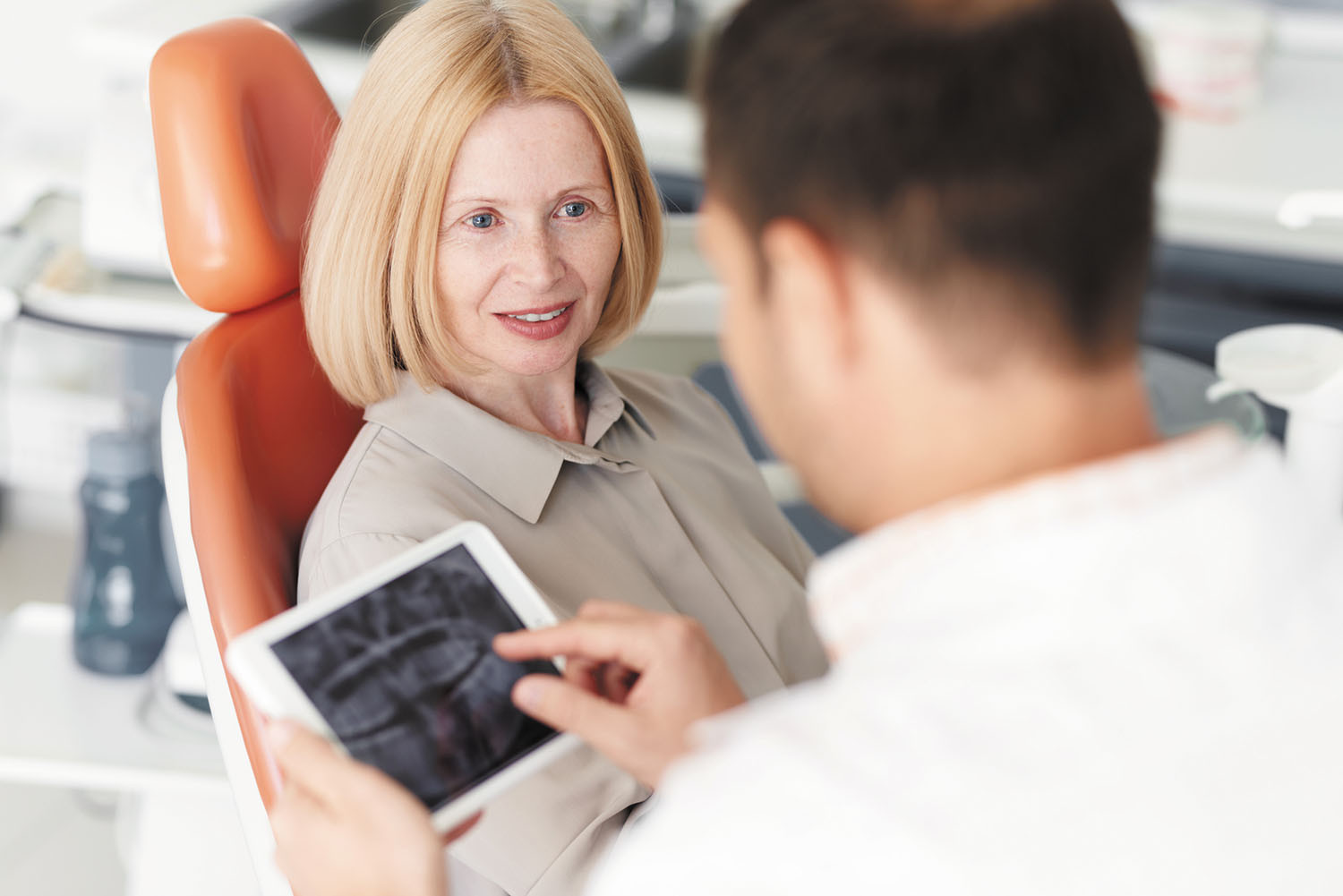
Taking osteoporosis drugs shouldn't prevent you from getting oral surgery
A drug holiday is one recommendation to reduce the risk of a rare bone condition that affects the jaw.
A dentist refers a woman to an oral surgeon because she needs a tooth pulled. But upon reviewing her chart, the oral surgeon turns her away.
The reason? She's taking a common medication to treat her osteoporosis, a condition that causes bones to become thin, brittle, and prone to fracture.

Does endometriosis increase cancer risk?
Ask the doctors
Q. I have endometriosis, and I recently heard that it might increase my risk of certain cancers. Is this true?
A. Researchers have linked endometriosis, an often painful condition that causes endometrial-like tissue to grow outside the uterus, to a higher risk of two types of ovarian cancer — endometrioid and clear-cell subtypes. That said, even though your risk of these cancers may be higher than that of the average woman who doesn't have endometriosis, your chances of developing one of these cancers is still very small — less than 1%.

Infertility: Extra embryos –– too much of a good thing?
People attempting to conceive through in vitro fertilization may face the question of what to do with extra embryos, especially if they reach a point where they feel their family is complete.
Naturally gluten-free foods
Harvard study: Healthier fats linked to longer life after prostate cancer diagnosis
Shingrix shingles vaccine linked with lower heart disease risks
Estrogen-only hormone therapy tied to lower dementia risk
Should you have a hysterectomy?
Stair climbing may significantly lower cardiovascular risks
Why do I sweat so much?
Walking pneumonia: The "mild" illness that can still pack a punch
What causes knee pain: How doctors make a diagnosis
Where you carry excess weight matters in predicting heart disease risk
Free Healthbeat Signup
Get the latest in health news delivered to your inbox!
Sign Up
