

Naturally gluten-free foods

Harvard study: Healthier fats linked to longer life after prostate cancer diagnosis

Shingrix shingles vaccine linked with lower heart disease risks

Estrogen-only hormone therapy tied to lower dementia risk

Should you have a hysterectomy?

Stair climbing may significantly lower cardiovascular risks

Why do I sweat so much?

Walking pneumonia: The "mild" illness that can still pack a punch

What causes knee pain: How doctors make a diagnosis

Where you carry excess weight matters in predicting heart disease risk
Sexually transmitted infections (STIs) Archive
Articles

Straight talk about your sex life
Although many older men enjoy active sex lives, most don't share sex-related questions and concerns with their doctor.
Image: © bernardbodo/Getty Images
While you discuss many subjects with your doctor, like proper blood pressure and cholesterol levels, your sex life probably doesn't make the list — but it should.
"Even though you may have an aging body, you can still feel healthy, vigorous, and full of life, and your sex life should be part of that," says Dr. Sharon Bober, director of the Sexual Health Program at Harvard-affiliated Dana-Farber Cancer Institute.
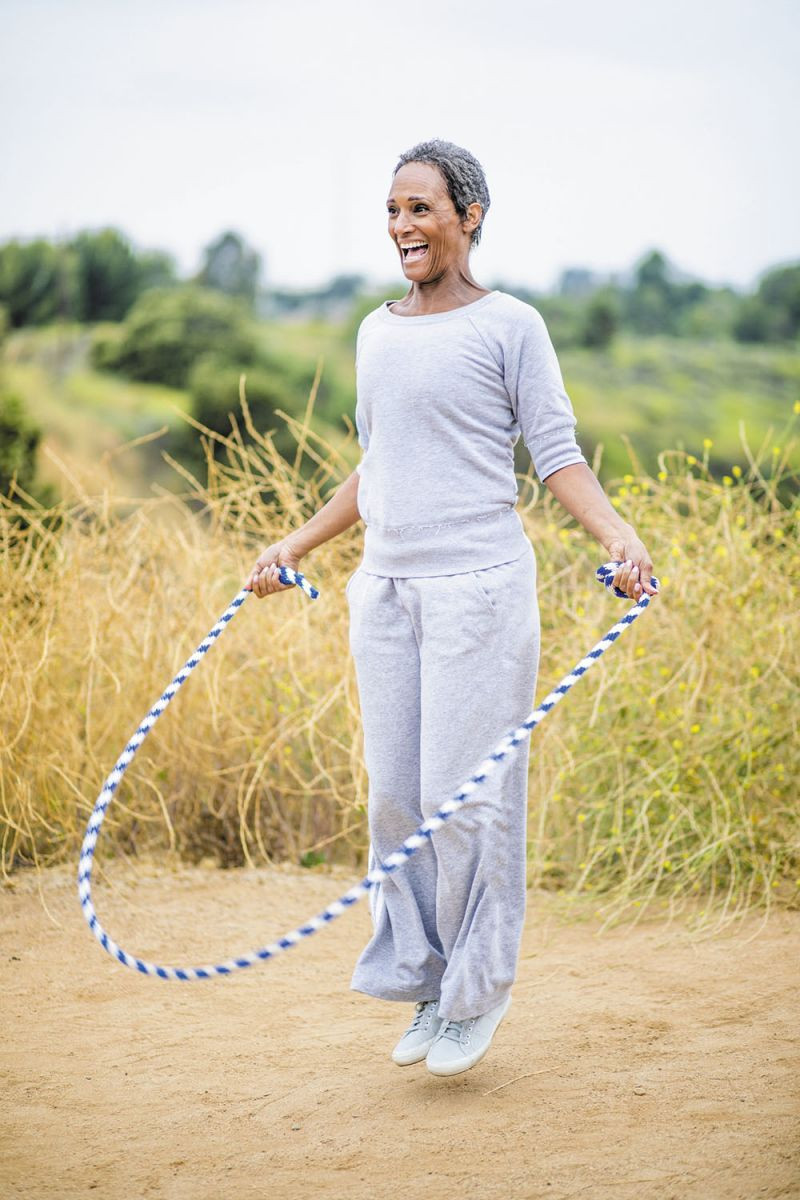
Exercise can help you keep your bones strong
Running, jumping, and other weight-bearing exercises stimulate your bones and make them stronger.
If you've gone through menopause, your bones probably aren't as strong as they used to be.
"Around the time of menopause, there is accelerated bone loss in women as the ovaries stop producing estrogen," says Dr. Meryl S. LeBoff, professor of medicine at Harvard Medical School. This bone loss usually continues as you age, leading in some cases to either of two conditions: osteoporosis (a significant loss of bone density), or the less severe osteopenia (low bone mass). Together, these conditions affect 43.4 million Americans. Either can cause the bones to become brittle and break easily.

Women with DCIS may benefit from radiation in addition to lumpectomy
Research we're watching
A new study published online August 10 by the Journal of the American Medical Association shows that women with ductal carcinoma in situ (DCIS) — cancerous changes to the cells inside the milk ducts of the breast — may have better results if they have radiation in addition to a lumpectomy.
Researchers examined 15-year outcomes in 140,000 women with DCIS who underwent either lumpectomy or mastectomy alone, or both lumpectomy and radiation. Women who had radiation in addition to lumpectomy procedures were slightly less likely to die from breast cancer than women who had either a lumpectomy or mastectomy procedure alone.

Investigators unveil metastatic prostate cancer’s genomic landscape
Localized prostate cancer that is diagnosed before it has a chance to spread typically responds well to surgery or radiation. But when a tumor metastasizes and sends malignant cells elsewhere in the body, the prognosis worsens. Better treatments for men with metastatic prostate cancer are urgently needed. In 2018, scientists advanced toward that goal by […]
Keeping bones strong
Ounce for ounce, bone bears as much weight as reinforced concrete. However, unlike reinforced concrete, bone is a living tissue. It serves as a repository of minerals for the rest of the body to use, continuously lending them out and replacing them. Bone also gets stronger when "stressed" by physical activity, and can repair itself when injured.
The building and tearing down of bone tissue is called remodeling. This process happens continuously throughout your entire life. At first, your body rebuilds more bone than it demolishes. Typically, a person reaches peak bone mass around the age of 30. Among women, bone mass usually remains steady for the next 20 years or so until the onset of menopause, when bone is lost much more quickly than it is replaced. When bone loss is significant, the result is osteoporosis (which means "porous bone"). Bone loss generally starts later for men — typically in the late 50s — and progresses more slowly than in women. But men can also get osteoporosis.
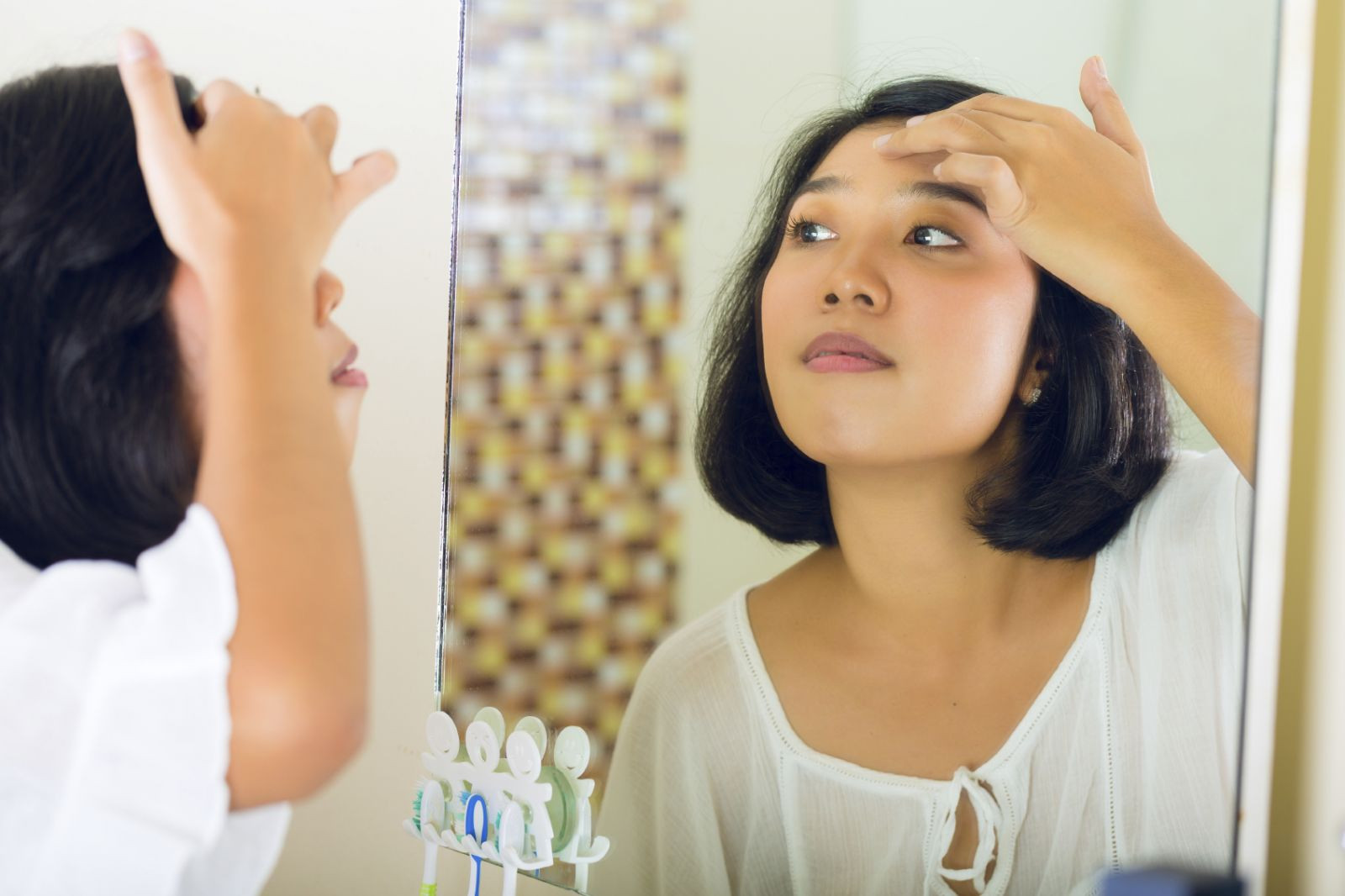
Don't fall for these skin myths
Think you know a lot about skin and skin care? You might be surprised at how much "common knowledge" about keeping your skin clear and healthy is simply not true.
Here, we debunk 10 common myths about skin.
1. The right skin cream can keep your skin looking young.
A new option for immunotherapy in metastatic prostate cancer
Dividing cells face daunting challenges when replicating the billions of letters of DNA in their genomes. For instance, DNA letters in new cells can get mixed up, and then the affected genes don’t function correctly. To fix that problem, healthy cells can deploy so-called mismatch repair (MMR) genes that put scrambled DNA letters back in […]
Q&A with Dr. Daniel Rukstalis on prostatic urethral lift for enlarged prostates
A new procedure that relieves symptoms without causing sexual side effects As men get older, their prostates often get bigger and block the flow of urine out of the bladder. This condition, which is called benign prostatic hyperplasia, causes bothersome symptoms. Since men can’t fully empty their bladders, they experience sudden and frequent urges to […]

A soaring maternal mortality rate: What does it mean for you?
Since 1990, the maternal mortality rate in the United States, while still relatively low, has risen by 50%. Meanwhile, many other women experience pregnancy-related conditions that cause serious injury, and thousands more struggle with illnesses and a lack of support.

Naturally gluten-free foods
Harvard study: Healthier fats linked to longer life after prostate cancer diagnosis
Shingrix shingles vaccine linked with lower heart disease risks
Estrogen-only hormone therapy tied to lower dementia risk
Should you have a hysterectomy?
Stair climbing may significantly lower cardiovascular risks
Why do I sweat so much?
Walking pneumonia: The "mild" illness that can still pack a punch
What causes knee pain: How doctors make a diagnosis
Where you carry excess weight matters in predicting heart disease risk
Free Healthbeat Signup
Get the latest in health news delivered to your inbox!
Sign Up
