

Naturally gluten-free foods

Harvard study: Healthier fats linked to longer life after prostate cancer diagnosis

Shingrix shingles vaccine linked with lower heart disease risks

Estrogen-only hormone therapy tied to lower dementia risk

Should you have a hysterectomy?

Stair climbing may significantly lower cardiovascular risks

Why do I sweat so much?

Walking pneumonia: The "mild" illness that can still pack a punch

What causes knee pain: How doctors make a diagnosis

Where you carry excess weight matters in predicting heart disease risk
Sexually transmitted infections (STIs) Archive
Articles

HPV test may be better than traditional cervical cancer screening method
Research we're watching
A test that screens for human papillomavirus (HPV) beat a commonly used cervical cancer screening method in detecting changes that may lead to cervical cancer, according to a study published July 3 in The Journal of the American Medical Association. Some 19,000 women were screened for cervical cancer using either the HPV test or a more traditional and commonly used liquid-based cytology test. After 48 months, all the women were tested again using both tests. Researchers found that among women who'd had a normal initial screening, those who'd been screened with the HPV test had significantly fewer grade 3 or worse precancerous cervical changes at the final testing compared with those screened with liquid-based cytology.
In response, the U.S Preventive Services Task Force now recommends either HPV testing only once every five years or liquid-based cytology once every three years for women ages 30 to 65.

Is prostate cancer linked with other cancers?
On call
Q. I was recently diagnosed with prostate cancer. Does the occurrence of one type of cancer indicate a greater risk of developing other kinds?
A. Prostate cancer is the most common cancer among men, and almost every man will get prostate cancer if he lives long enough. In general, prostate cancer that develops after age 60 probably does not increase the risk of getting a different kind of cancer. However, there are some exceptions.


Prostate screening guideline highlights patient choice
In the journals
Image: © jarun011/Getty Images
The U.S. Preventive Services Task Force recently updated its guideline for prostate-specific antigen (PSA) screening for prostate cancer.
The group now recommends that for men ages 55 to 69, screening should be an individual choice, and a man should discuss the pros and cons with his doctor before making a decision. The report, published online May 8, 2018, by The Journal of the American Medical Association, differs from the 2012 guidelines that recommended against screening for all men.

Blockage or no blockage, take heart attacks seriously
Women are at higher risk for heart attacks that don't involve blocked arteries — and they should receive the same follow-up treatment as conventional heart attack patients.
Image: © Tharakorn/Getty Images
For years, people who suffered heart attacks but didn't have major blockages in their arteries — a condition called myocardial infarction with nonobstructive coronary arteries (MINOCA) — were thought to have a less serious form of heart disease. As a result, doctors often opted against aggressive follow-up treatments. But a study published June 15 in the International Journal of Cardiology contributes to the growing body of evidence that MINOCAs merit follow-up treatment.
The study, which looked at data from an online Swedish cardiac registry, found that a quarter of people who were diagnosed with MINOCAs went on to have another major cardiovascular event, such as another heart attack, a stroke, or heart failure. Of the original group of 9,092 people who were diagnosed with MINOCAs (62% of them women), some 2,147 went on to have another cardiovascular event during a follow-up period averaging about 4.5 years.


Diet might delay — or hasten — the onset of menopause
How old you are when you go through menopause could be influenced by the foods you eat.
Image: © stepangilev/Getty Images
Could the foods you eat help determine when you start menopause? They might, says a new study published online April 30 by the Journal of Epidemiology and Community Health. Researchers found that women who ate more fish and beans and other legumes started menopause at a later age, while women who ate a diet heavy on refined pasta and rice went through the change earlier.
Why do the results matter?
How old a woman is when she goes through menopause may have implications for her health. Past research has linked certain health risks to menopause that occurs either very early (before age 40) or late (age 55 or older). Going through menopause at an earlier age has been associated with lower bone density and a higher risk for osteoporosis, cardiovascular disease, depression, and — in some instances — premature death.
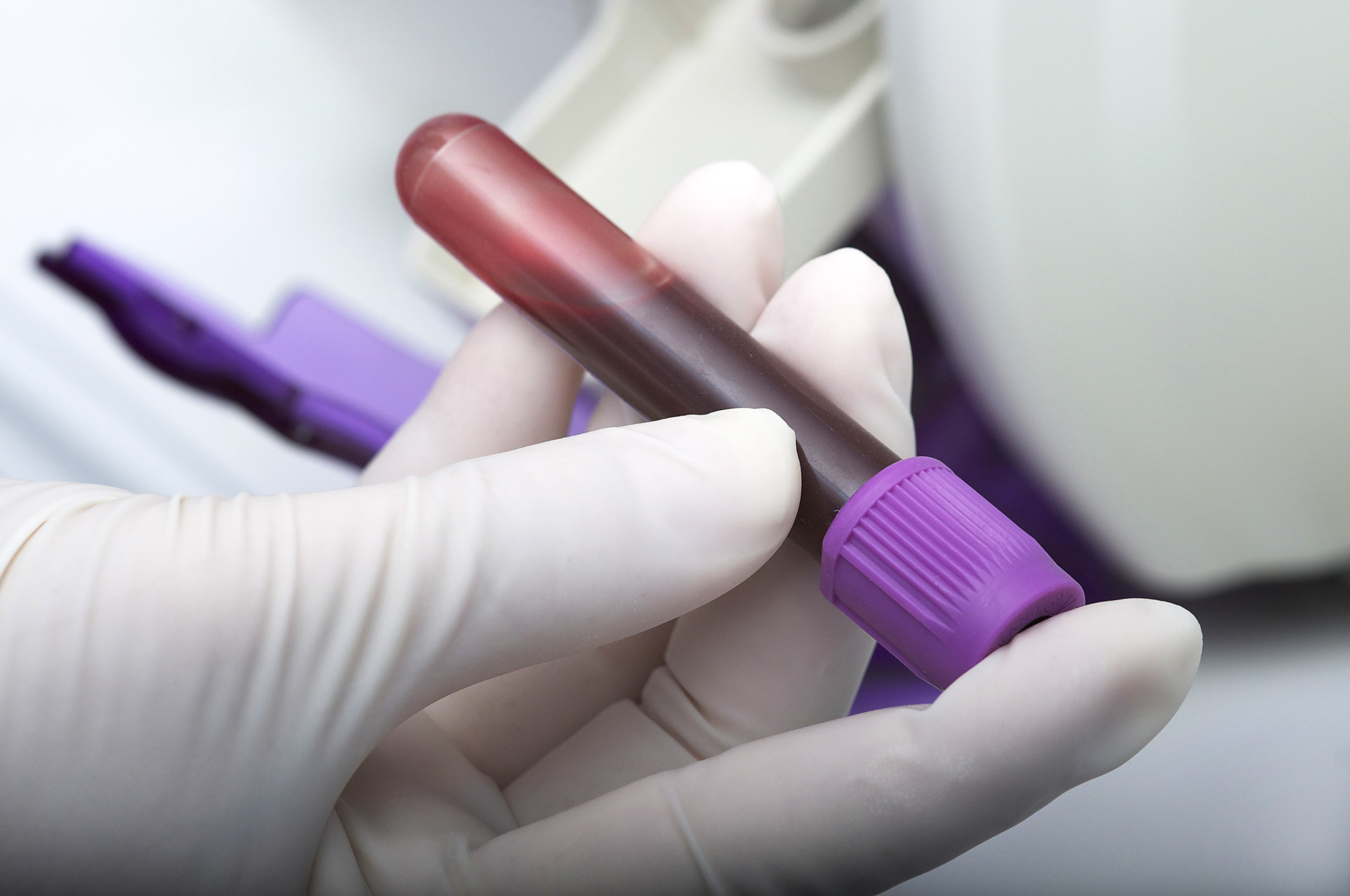
New blood test guides researchers toward the best treatment for aggressive prostate cancer
Tumors that spread, or metastasize, in the body shed cells into blood that doctors can scrutinize for insights into what a patient’s cancer might do. Analyzing these so-called circulating tumor cells (CTCs) isn’t part of routine care yet, in part because they’re so hard to pick out of the millions of normal cells in a […]
Naturally gluten-free foods
Harvard study: Healthier fats linked to longer life after prostate cancer diagnosis
Shingrix shingles vaccine linked with lower heart disease risks
Estrogen-only hormone therapy tied to lower dementia risk
Should you have a hysterectomy?
Stair climbing may significantly lower cardiovascular risks
Why do I sweat so much?
Walking pneumonia: The "mild" illness that can still pack a punch
What causes knee pain: How doctors make a diagnosis
Where you carry excess weight matters in predicting heart disease risk
Free Healthbeat Signup
Get the latest in health news delivered to your inbox!
Sign Up
