

Whole grains may improve several heart risk factors at once

Light exposure at night may raise risk for heart disease

Children of centenarians may stay healthier and live longer too, study finds

A lumbar belt may help ease low back pain

Signs of pneumonia: Sometimes vague and unexpected

The surprising link between ovarian cancer and the fallopian tubes

Using a vibration plate: What it can — and can't — do for your body

People who walk more or walk faster live longer, study finds

Rosacea treatments: What works?

For sleep apnea, a dental device may be as effective as CPAP
Physical activity and exercise Archive
Articles

Exercising 150 minutes per week could help reverse prediabetes
People with prediabetes may be able to reduce their risk of developing type 2 diabetes with 150 minutes of moderate-intensity exercise per week, says a 2025 study. Exercise can help lower blood sugar and excess weight, the main risk factors for progression of prediabetes to type 2 diabetes.
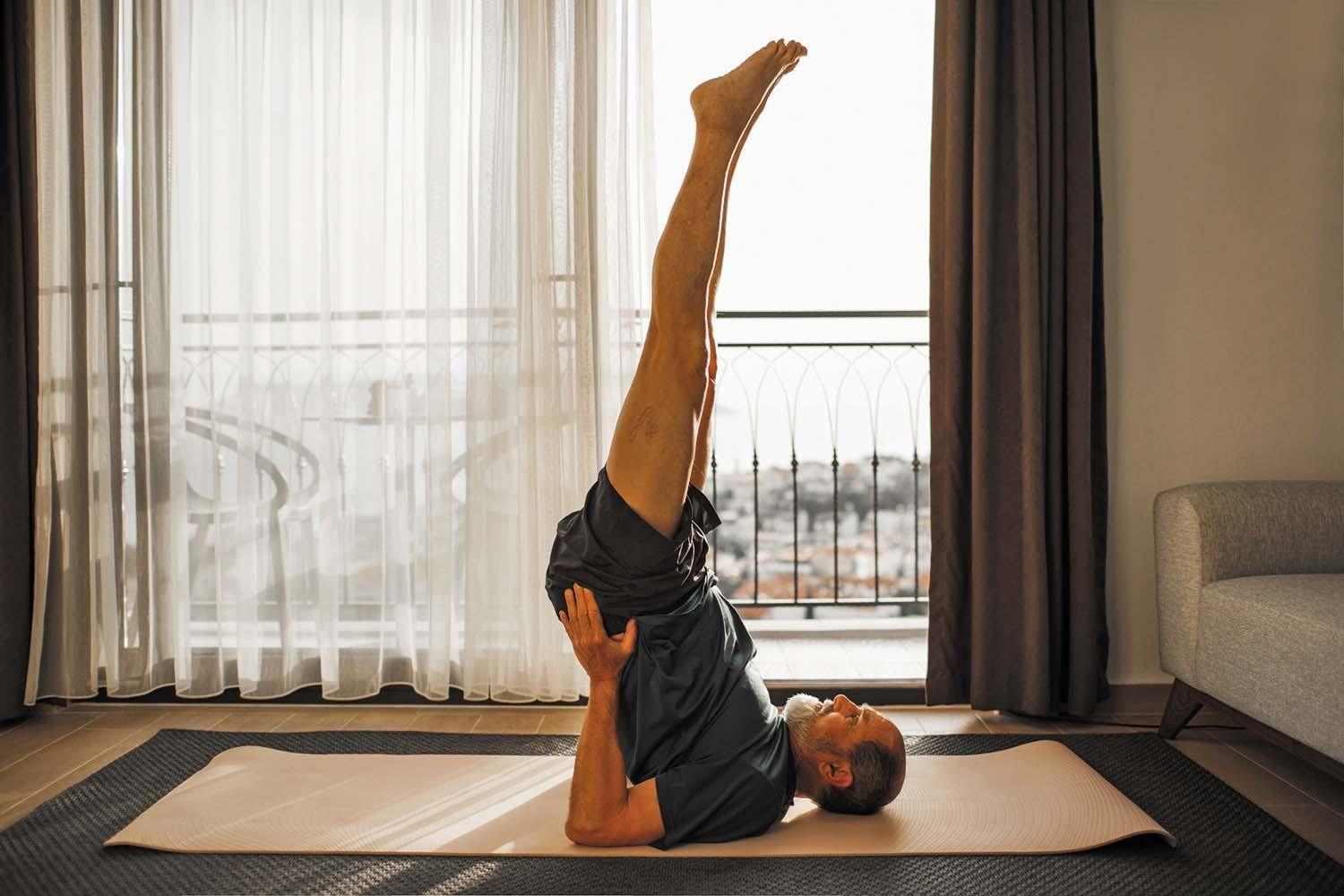
Yoga, tai chi, walking, and running may help with insomnia
Research suggests that exercise is beneficial in managing insomnia, but current guidelines don't specify which types may be most effective. A 2025 study found that yoga, tai chi, walking, and running were associated with reduced symptoms of insomnia.
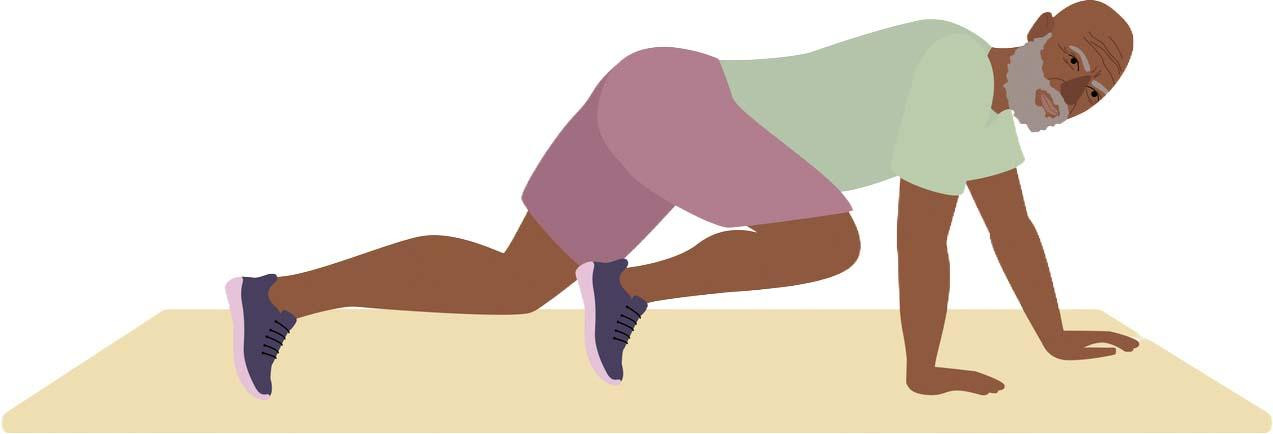
Try this: Bear crawl
The bear crawl is a body-weight exercise that consists of moving along the ground using only the hands and feet. The move is a fun way to strengthen core muscles and improve mobility, coordination, and balance.
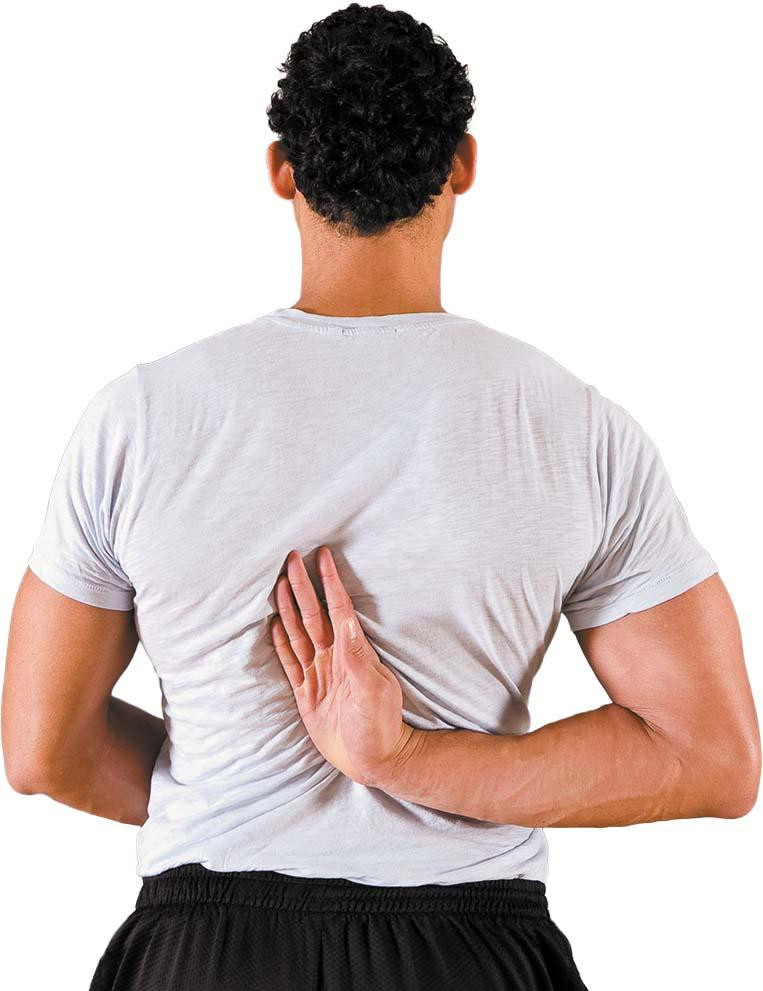
A quick shoulder workout you can do at home
Aging often leads to a loss of shoulder strength and motion, especially the ability to reach up and lift objects overhead. The best way to protect the shoulders is to stretch them daily and strengthen them every other day. Exercises can be done consecutively in a single workout or individually throughout the day. It's best to do a warm-up before engaging in any shoulder exercises. A warm-up can be as simple as marching in place for a few minutes while gently moving the arms up and down.

Can the shingles vaccine protect my heart?
A 2025 study found that people who had received a shingles vaccination had lower risks for stroke and various types of heart disease, including heart failure and heart attacks, compared with people who didn't receive a shingles vaccine.

Mediterranean and plant-based diets might keep you regular
A 2025 Harvard study found that people who most closely adhered to a Mediterranean or a plant-based diet had up to a 20% lower risk for chronic constipation, compared with people who followed other eating patterns.

Lessons from women on longevity
Women live longer than men. However, that longevity gap in the United States has increased to 5.8 years, the largest gap since 1996, according to a 2024 study. Why the widening gap? Researchers believe that in many cases, women are better than men at addressing certain health needs that contribute to longer lives, such as losing excess weight, quitting smoking, getting regular skin check-ups, and not ignoring mental health issues.

What can you do to maintain exercise motivation?
Approximately 50% of people who begin an exercise program quit within the first six months, according to some estimates. Declining motivation is usually the main reason, but there are ways that people can approach their fitness to help them stay focused and committed. These include recognizing the value of staying healthy, enlisting a workout buddy, adopting specific exercises to reach individual goals, matching workouts to their personality, and finding inspirational figures.
5 timeless habits for better health
Influencers, news headlines, and well-meaning friends and family offer conflicting advice on wellness. Quick fixes and fads may do little for our health, and some even prove harmful. Try to work these five simple habits that can boost health and wellness into your everyday life.
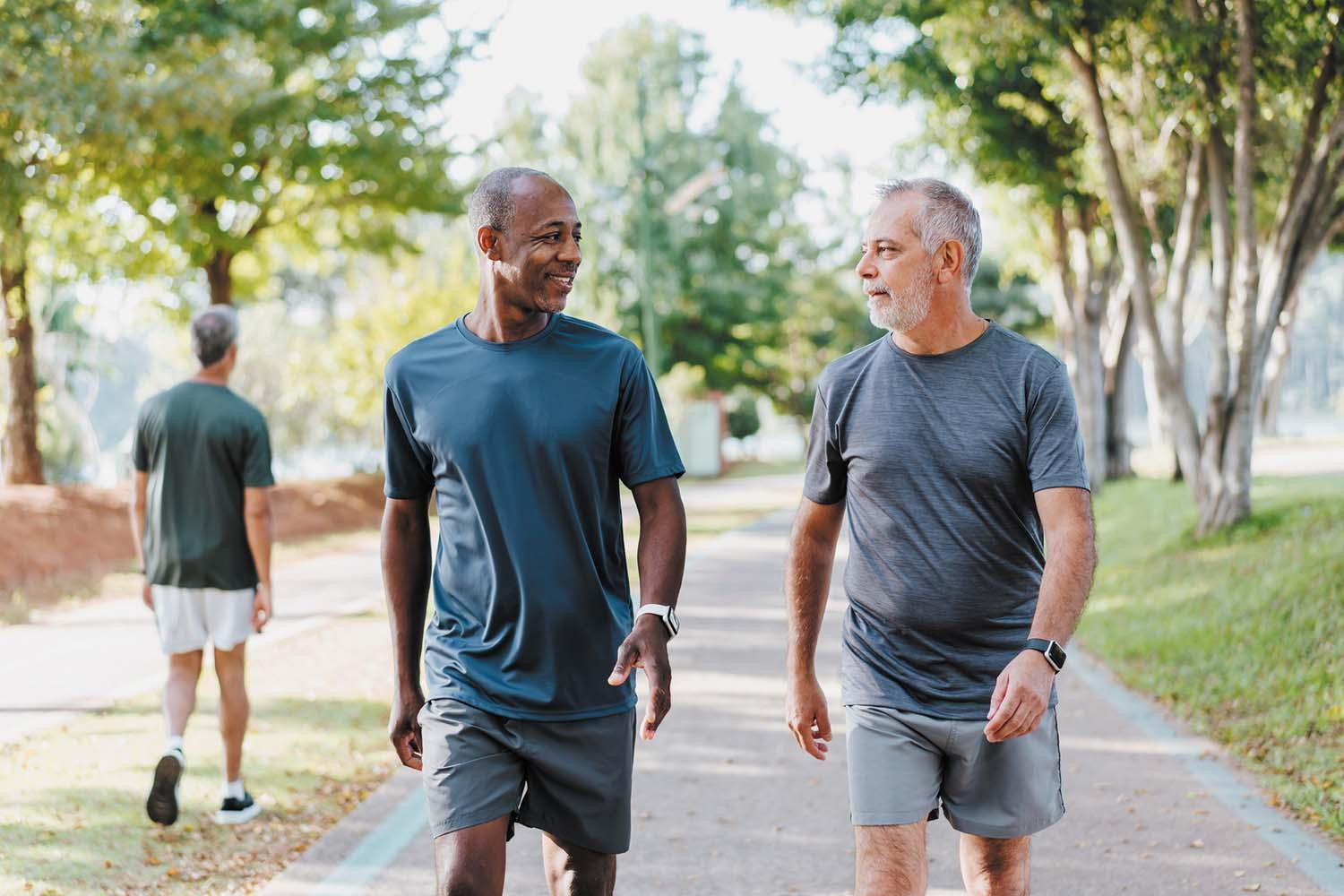
Walking tied to less back pain
A 2025 study of more than 11,000 people (average age 55), followed for about four years, those who walked more than 100 minutes a day had a 23% lower risk of chronic low back pain, compared with people who walked less than 78 minutes per day.
Whole grains may improve several heart risk factors at once
Light exposure at night may raise risk for heart disease
Children of centenarians may stay healthier and live longer too, study finds
A lumbar belt may help ease low back pain
Signs of pneumonia: Sometimes vague and unexpected
The surprising link between ovarian cancer and the fallopian tubes
Using a vibration plate: What it can — and can't — do for your body
People who walk more or walk faster live longer, study finds
Rosacea treatments: What works?
For sleep apnea, a dental device may be as effective as CPAP
Free Healthbeat Signup
Get the latest in health news delivered to your inbox!
Sign Up
