

Whole grains may improve several heart risk factors at once

Light exposure at night may raise risk for heart disease

Children of centenarians may stay healthier and live longer too, study finds

A lumbar belt may help ease low back pain

Signs of pneumonia: Sometimes vague and unexpected

The surprising link between ovarian cancer and the fallopian tubes

Using a vibration plate: What it can — and can't — do for your body

People who walk more or walk faster live longer, study finds

Rosacea treatments: What works?

For sleep apnea, a dental device may be as effective as CPAP
Physical activity and exercise Archive
Articles
A fresh approach to cardio exercises
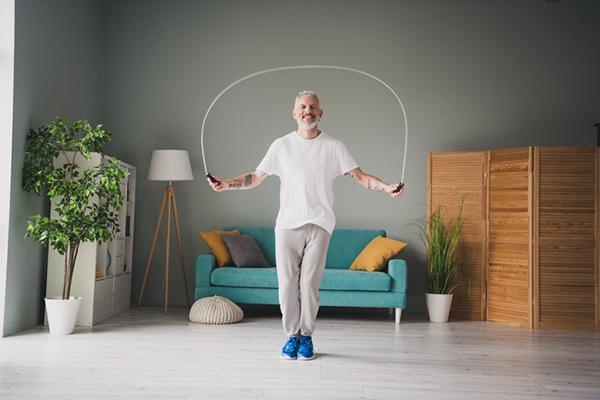
There are many ways people can meet the national guidelines for weekly activity. While running and walking are popular exercise choices, they are not the only options. Many sports and activities provide a similar heart-pumping workout, such as boxing, swimming, cycling, basketball, dancing, and even pickleball. People can also get creative and do circuit training using gym machines or perform cardio exercises at home.
Why you should try ellipticals
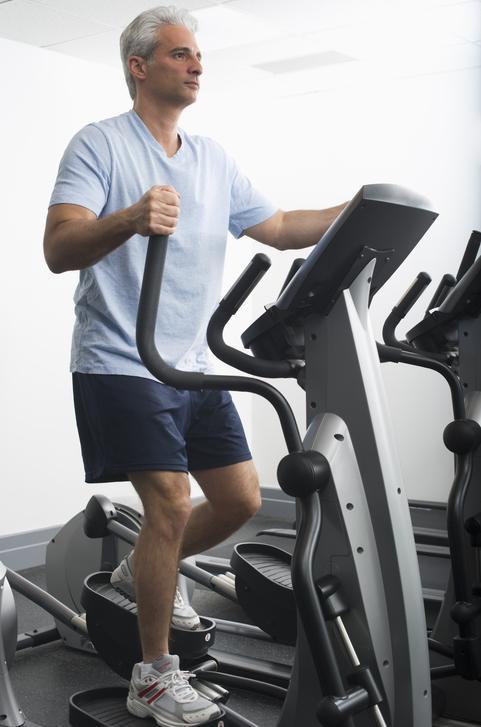
Ellipticals are stationary exercise machines that simulate walking, running, or stair climbing. They combine cardio with strength training and can simultaneously engage the upper and lower body for a full-body workout. Ellipticals also offer a low-impact exercise, placing less stress on the knee, hip, and ankle joints, which make them ideal for people who have knee or hip osteoarthritis or are recovering from an injury.

How the body's internal clocks influence heart health
Circadian rhythms, which are hardwired into nearly every cell of the body, regulate the heart and blood vessels. Disruptions to this rhythm-from shift work, poor sleep, or unhealthy habits-can raise the risk of cardiovascular disease. For example, heart attacks are more likely to occur on Mondays than any other day of the week. That's because people tend to stay up later than usual and then sleep in the next day. On Monday morning, when they have to wake up early again for work, the change may cause subtle changes in blood pressure, hormone secretion, and metabolism that raise heart attack risk.
The heartfelt effects of exercise
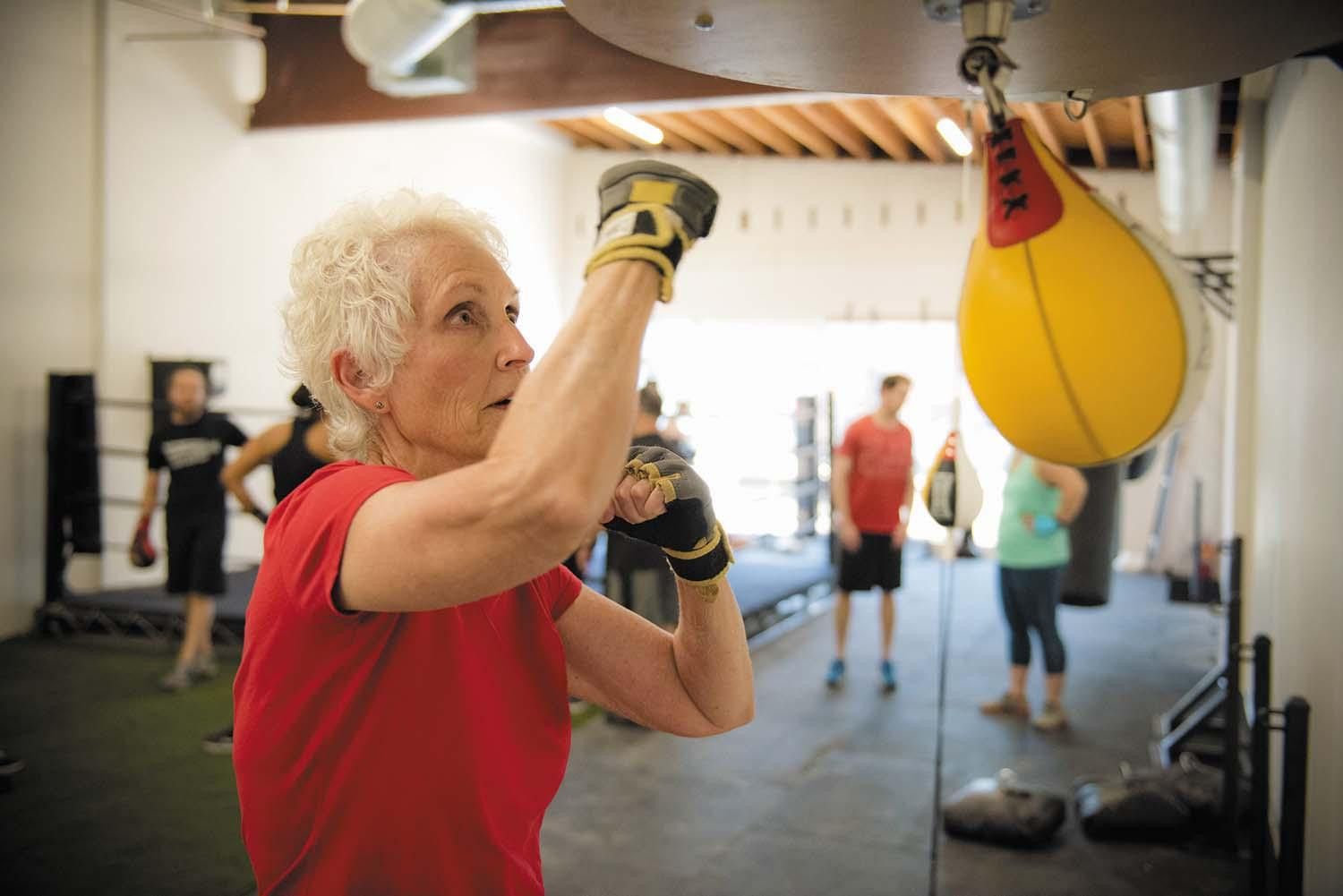
Exercise is one of the most powerful tools for preventing heart disease and extending life. Physical activity triggers favorable changes such as making cells more sensitive to insulin and reducing inflammation. It also helps keep blood vessels supple and flexible (which supports efficient blood flow), strengthens muscles (which helps burn more calories), and remodels the heart, making it more efficient at pumping blood through the body. Together, these changes all reduce a person's chances of developing common risk factors for heart disease, including diabetes, high blood pressure, high cholesterol, and obesity.

Intensive care patients are at high risk for falls and injuries when they return home
People who are hospitalized and stay in an intensive care unit have a high risk for home falls and injuries after being discharged, according to a 2025 study. Implementing physical therapy and increasing patient awareness about medication side effects may help.
The need for walking speed
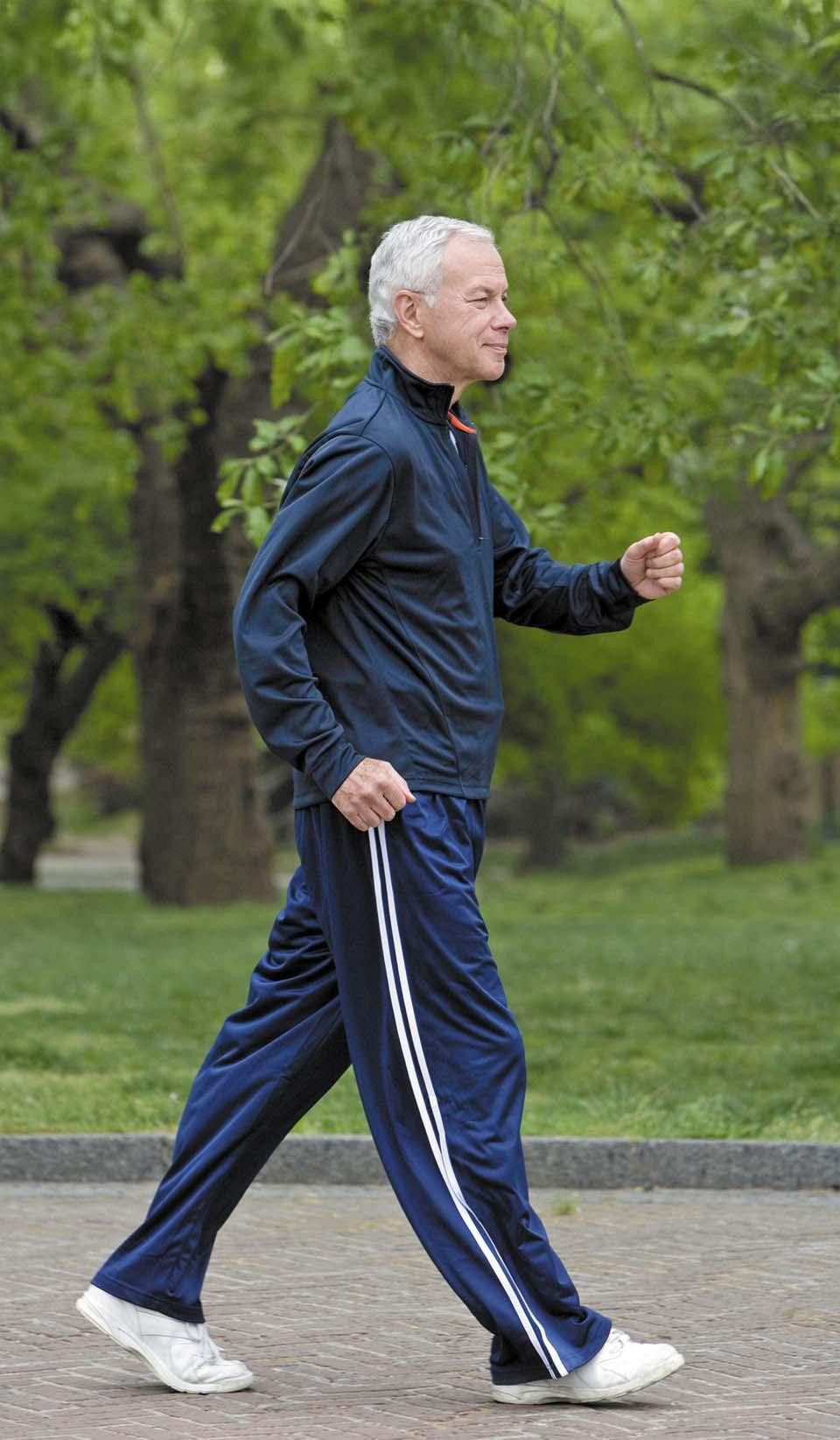
Walking is often viewed as a casual form of exercise, but it also can be your primary form of moderate-intensity exercise if you increase the intensity, duration, and frequency of your workouts. You can adopt several types of workouts to help increase pace and endurance, such as intervals, timed walks, and pole walking. Wearing appropriate walking shoes and improving their walking mechanics also can improve walking speed and endurance.

Advancing age and mental health disorders
People have a 50% chance of developing at least one mental health disorder by age 75, according to some research. Among men, the most common are alcohol use disorder, depression, and anxiety disorders, with social anxiety disorder being the most prevalent of those. Many men miss the early warning signs of these disorders, or when they do, they often try to push through, which can worsen the symptoms. But identifying when they might have a problem is the first step toward seeking help.

How can I keep my kidneys healthy?
People can adopt several strategies to keep their kidneys healthy, such as managing blood pressure, controlling blood sugar levels, watching salt intake, avoiding alcohol, staying hydrated, and exercising regularly.
How to get rid of belly fat
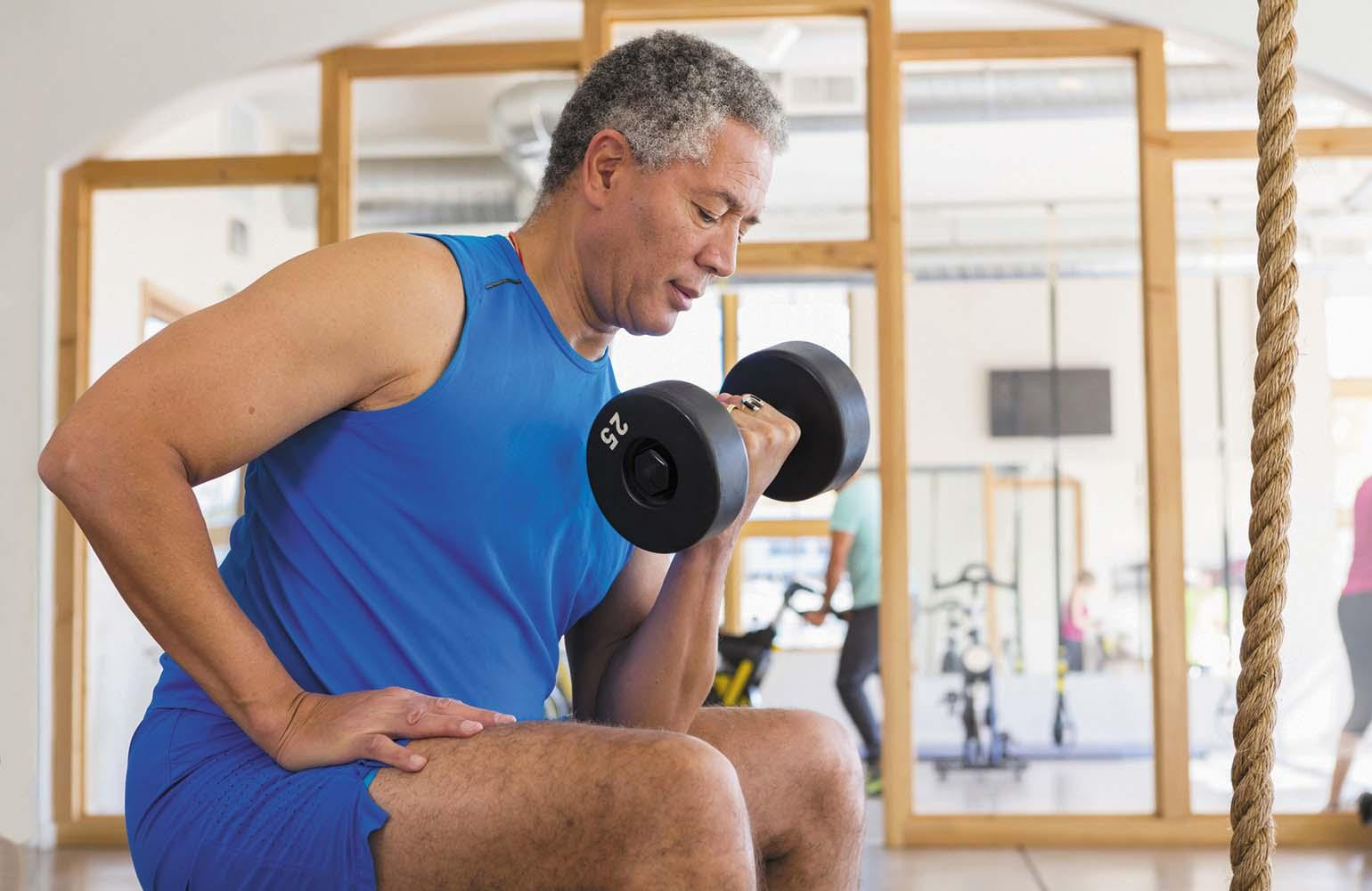
Men often carry around extra belly fat and lose muscle mass as they age. An expanding waist could be sign of too much visceral fat, which is stored within the abdominal cavity and surrounds vital organs, including the pancreas, liver, and intestines. Research has shown that visceral fat can increase blood pressure, blood sugar, and total cholesterol levels, and raise the risk of fatty liver disease. Building muscle mass with resistance training and getting aerobic exercise improve muscle metabolism and help reduce visceral fat.

Higher fitness levels may protect against atrial fibrillation
A 2025 study suggests that higher fitness levels may help protect people from developing atrial fibrillation.
Whole grains may improve several heart risk factors at once
Light exposure at night may raise risk for heart disease
Children of centenarians may stay healthier and live longer too, study finds
A lumbar belt may help ease low back pain
Signs of pneumonia: Sometimes vague and unexpected
The surprising link between ovarian cancer and the fallopian tubes
Using a vibration plate: What it can — and can't — do for your body
People who walk more or walk faster live longer, study finds
Rosacea treatments: What works?
For sleep apnea, a dental device may be as effective as CPAP
Free Healthbeat Signup
Get the latest in health news delivered to your inbox!
Sign Up
