

Whole grains may improve several heart risk factors at once

Light exposure at night may raise risk for heart disease

Children of centenarians may stay healthier and live longer too, study finds

A lumbar belt may help ease low back pain

Signs of pneumonia: Sometimes vague and unexpected

The surprising link between ovarian cancer and the fallopian tubes

Using a vibration plate: What it can — and can't — do for your body

People who walk more or walk faster live longer, study finds

Rosacea treatments: What works?

For sleep apnea, a dental device may be as effective as CPAP
Physical activity and exercise Archive
Articles

Walking for wellness: Quick jaunts versus long treks
Physical activity improves physical and mental health, and walking is the simplest way to stay active. Walking for more than 10 minutes at a time may offer extra benefits, but all movement counts. For people over 60, 6,000 to 8,000 steps a day are optimal, regardless of walking speed.
The incontinence tool kit
Several tools can help people with incontinence stay dry and comfortable. Tools can include medications; basic supplies, such as protection pads, leakproof underwear, adaptive clothing, and portable urinals; bedwetting alarms; and bathroom locator apps. Some of the most important tools aren't pills or gadgets, but strategies-such as controlling underlying conditions that can lead to incontinence (such as diabetes), weight loss, lifestyle or behavioral changes, and pelvic floor training.
Fuzzy memory? Try these strategies
Simple strategies can help someone fight age-related memory slips. Tips include repeating new information by saying it out loud or writing it down a few times; associating an image with someone's name, such as thinking of a bouquet of roses after meeting a person named Rosie; grouping information in chunks, similar to grouping digits in a phone number; and writing information out by hand (as opposed to typing), which forces the brain to process and absorb data.
6 mistakes that sabotage your workout
Simple mistakes can undermine an exercise regimen. Some errors can lead to muscle injury, such as skipping a warm-up before a workout, slouching while exercising, cramming too much into a single exercise session, lifting too much weight, and working the same muscle groups every day without allowing them to rest properly. Another big mistake is not staying properly hydrated, which can be tough on the heart and muscles. To avoid mistakes, it might help to work with a physical therapist or personal trainer.

Combining Mediterranean diet with other lifestyle changes offers extra protection against diabetes
In a 2025 study, people who followed a Mediterranean diet, reduced their calorie intake, exercised at least 150 minutes a week, and received weight-loss support lowered their diabetes risk and lost more weight than those who only followed a Mediterranean diet.
Relief or risk? Using cannabis as we age
Increasing numbers of older adults are using cannabis over recent years. People over 50 report using it to relax, sleep better, feel good, relieve pain, improve mood or mental health, or treat medical conditions. But older adults are more vulnerable to cannabis side effects, such as falls or interactions with prescription and over-the-counter drugs. Many older adults aren't aware that cannabis products today are far more potent than in decades past. Medical visits related to cannabis use rose more than 27-fold among adults 65 and older between 2008 and 2021.
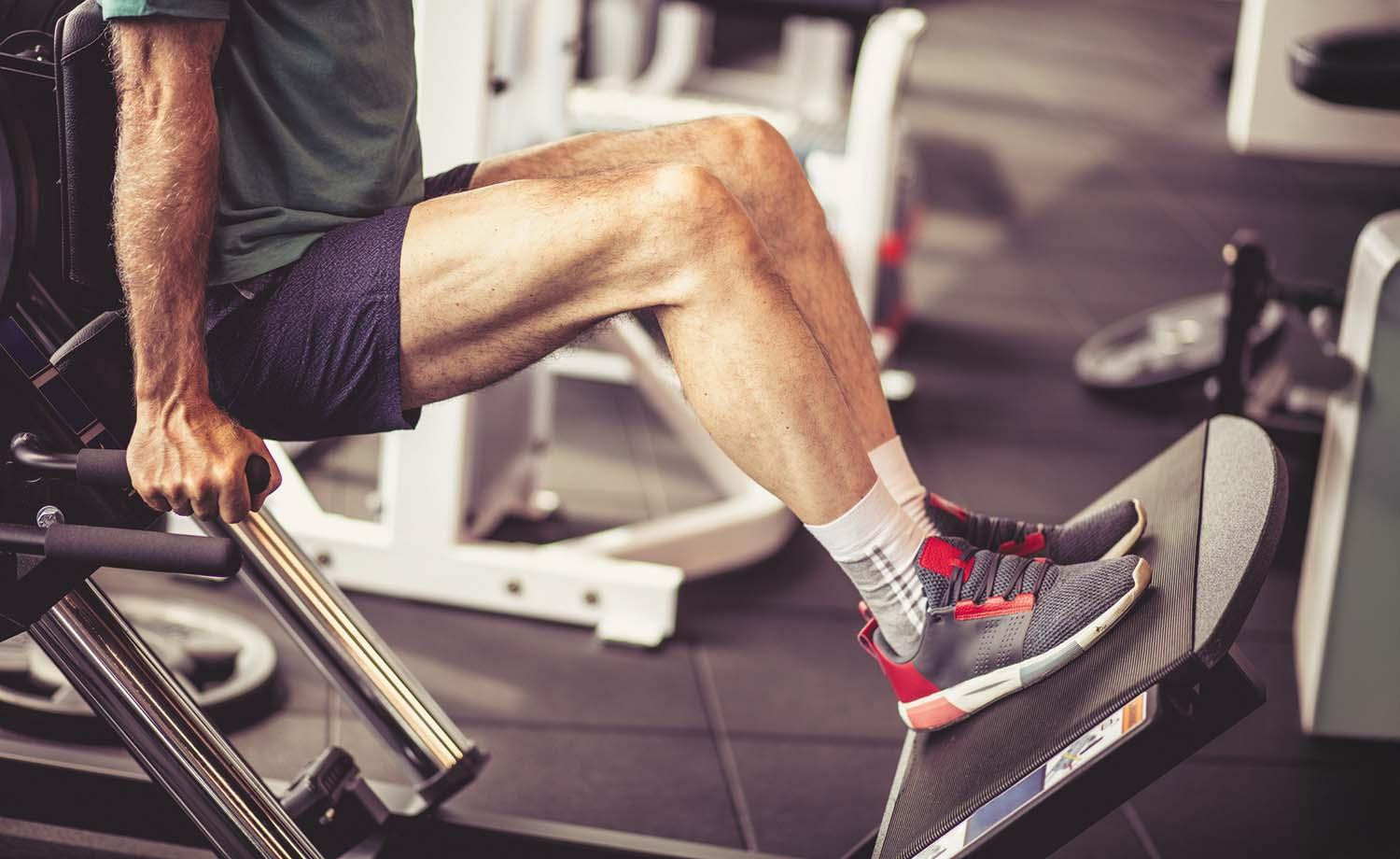
Building stronger legs
Leg strength becomes even more vital as people age, as the legs are essential for routine movements such as going up and down stairs, sitting and rising from chairs, bending over and standing up, and protecting against falls. The main leg muscles are gluteals, quadriceps, hamstrings, and calves. Some exercises that can help strengthen these muscles are bridges, step-ups, and heel raises.

Try this: Winter skin care
People can take several measures to protect against winter dry skin, such as using an indoor humidifier, washing carefully, following a moisturizing routine, and covering exposed skin when outdoors.
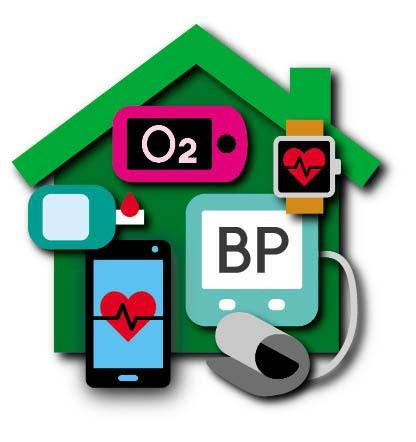
How to use home health monitors
Home health technologies have made it easier for people to monitor their health at home. These handy home devices can track certain health markers, such as blood pressure, blood sugar, heart rhythm, heart rate variability, and oxygen saturation. Checking this information periodically may help some people identify possible problems or manage existing conditions.
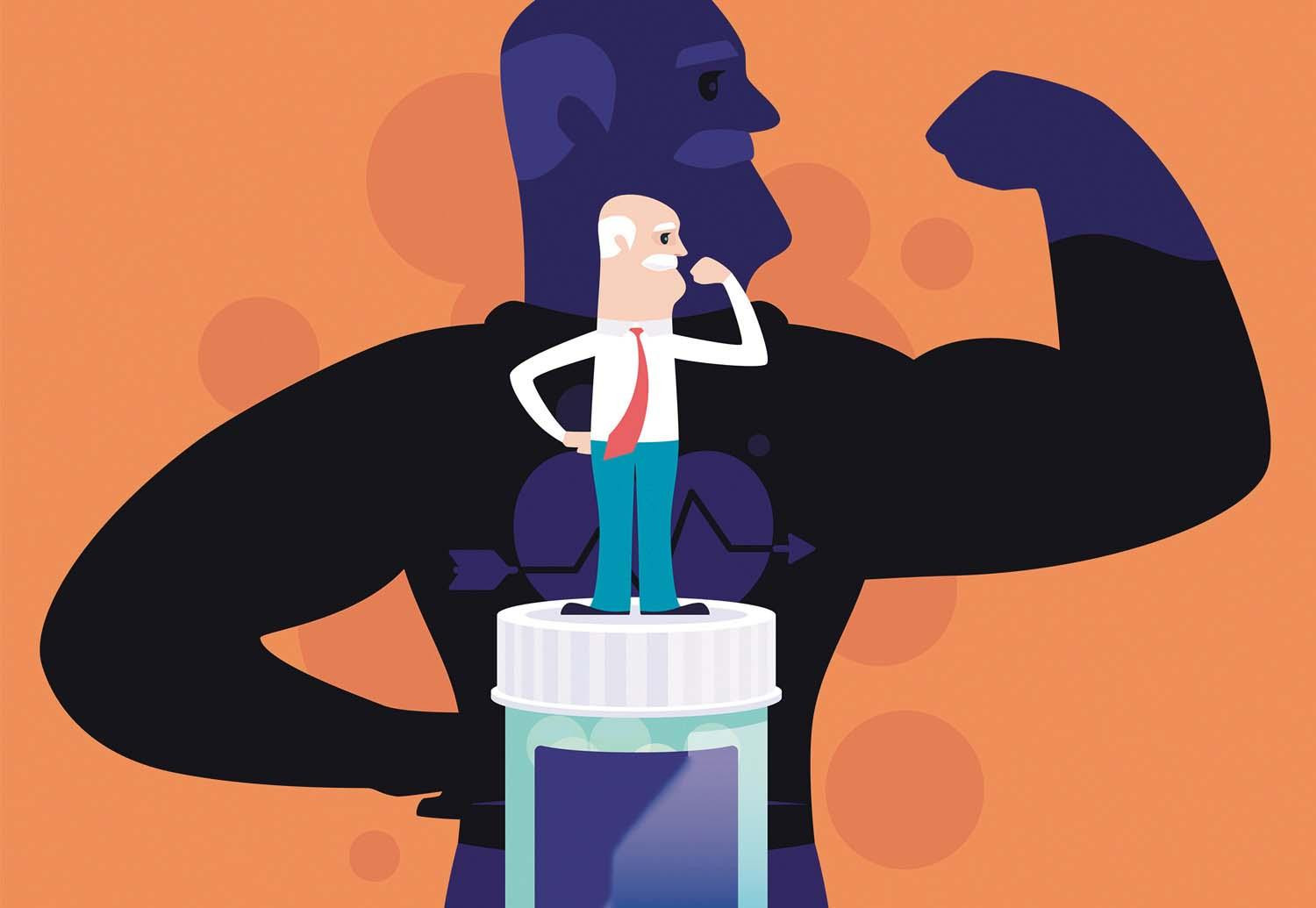
Can supplements boost my athletic performance?
There is little evidence that dietary supplements marketed as performance enhancers do more than following a well-balanced diet. Two nutrients that can help people during extended exercise are carbohydrates and caffeine.
Whole grains may improve several heart risk factors at once
Light exposure at night may raise risk for heart disease
Children of centenarians may stay healthier and live longer too, study finds
A lumbar belt may help ease low back pain
Signs of pneumonia: Sometimes vague and unexpected
The surprising link between ovarian cancer and the fallopian tubes
Using a vibration plate: What it can — and can't — do for your body
People who walk more or walk faster live longer, study finds
Rosacea treatments: What works?
For sleep apnea, a dental device may be as effective as CPAP
Free Healthbeat Signup
Get the latest in health news delivered to your inbox!
Sign Up
