

Whole grains may improve several heart risk factors at once

Light exposure at night may raise risk for heart disease

Children of centenarians may stay healthier and live longer too, study finds

A lumbar belt may help ease low back pain

Signs of pneumonia: Sometimes vague and unexpected

The surprising link between ovarian cancer and the fallopian tubes

Using a vibration plate: What it can — and can't — do for your body

People who walk more or walk faster live longer, study finds

Rosacea treatments: What works?

For sleep apnea, a dental device may be as effective as CPAP
Physical activity and exercise Archive
Articles

Is an active job enough exercise to help you lose weight?
Discover how much job-related activity contributes to calorie burn, and how small changes in routine can jump-start weight loss.

Foods that fight inflammation
Pro-inflammatory foods include fried foods, sodas, refined carbohydrates, and red meat. Green vegetables, berries, whole grains, and fatty fish are thought to combat the inflammatory process.

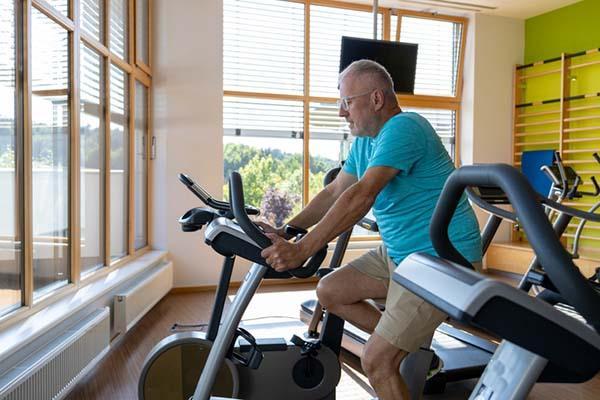
Even small changes in physical activity may boost longevity
A large 2026 study estimated that adding just five minutes a day of moderate to vigorous activity might prevent up to 10% of deaths during an eight-year period. Sitting for 30 minutes or less might prevent up to 7% of deaths.

Stretching studios: Do you need what they offer?
One trend in the world of fitness is the stretching studio, providing assisted stretching sessions marketed as a way to improve flexibility and ease chronic pain. But those looking to boost their overall health are more likely to benefit from regular, moderate physical activity, and do their stretching at home.


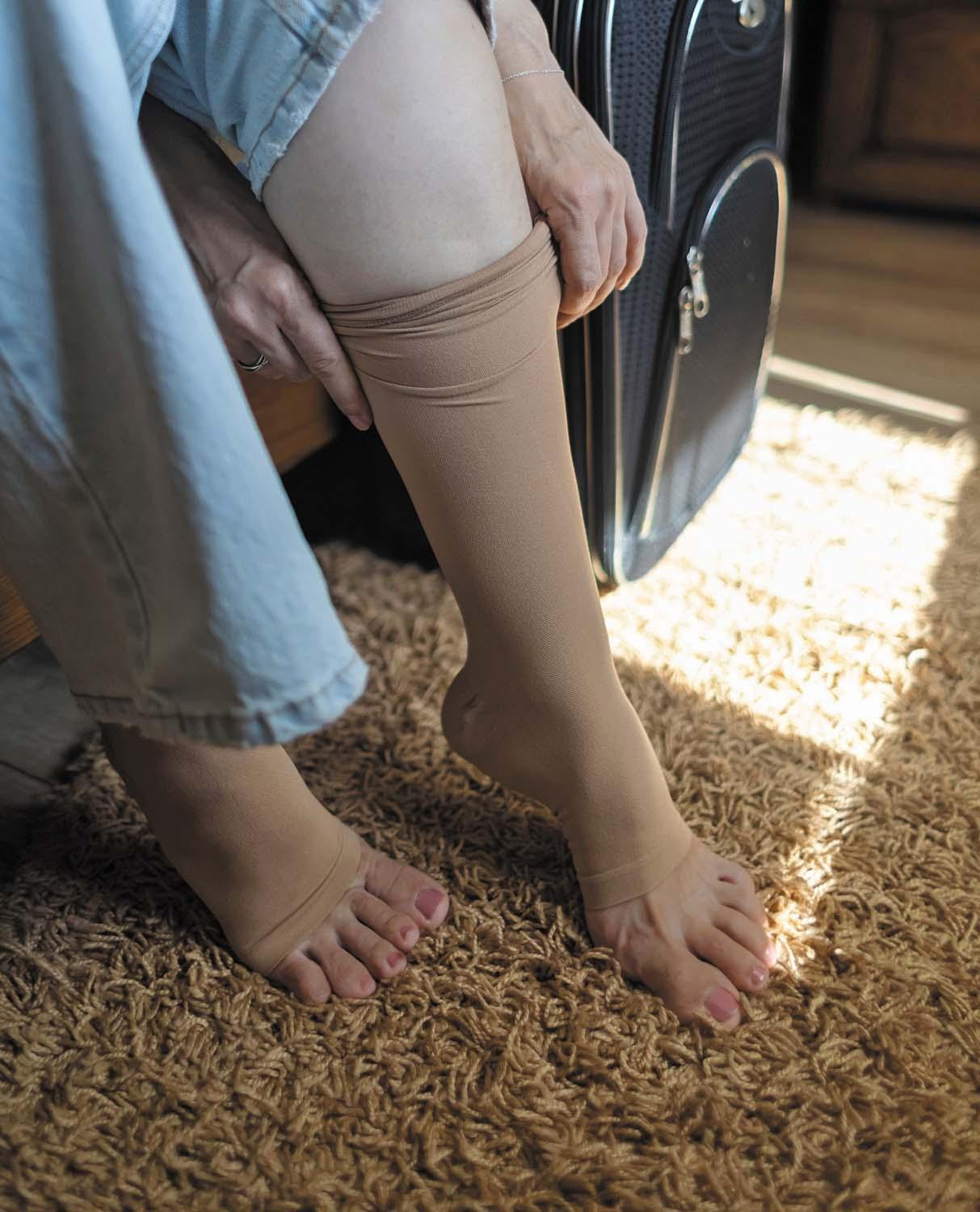
Could you benefit from wearing compression socks?
Compression socks are snug, supportive stockings that can help people who struggle with leg swelling or circulation issues. They're commonly used for certain vein problems or clot risks, and a doctor can help decide who needs them and how to use them.
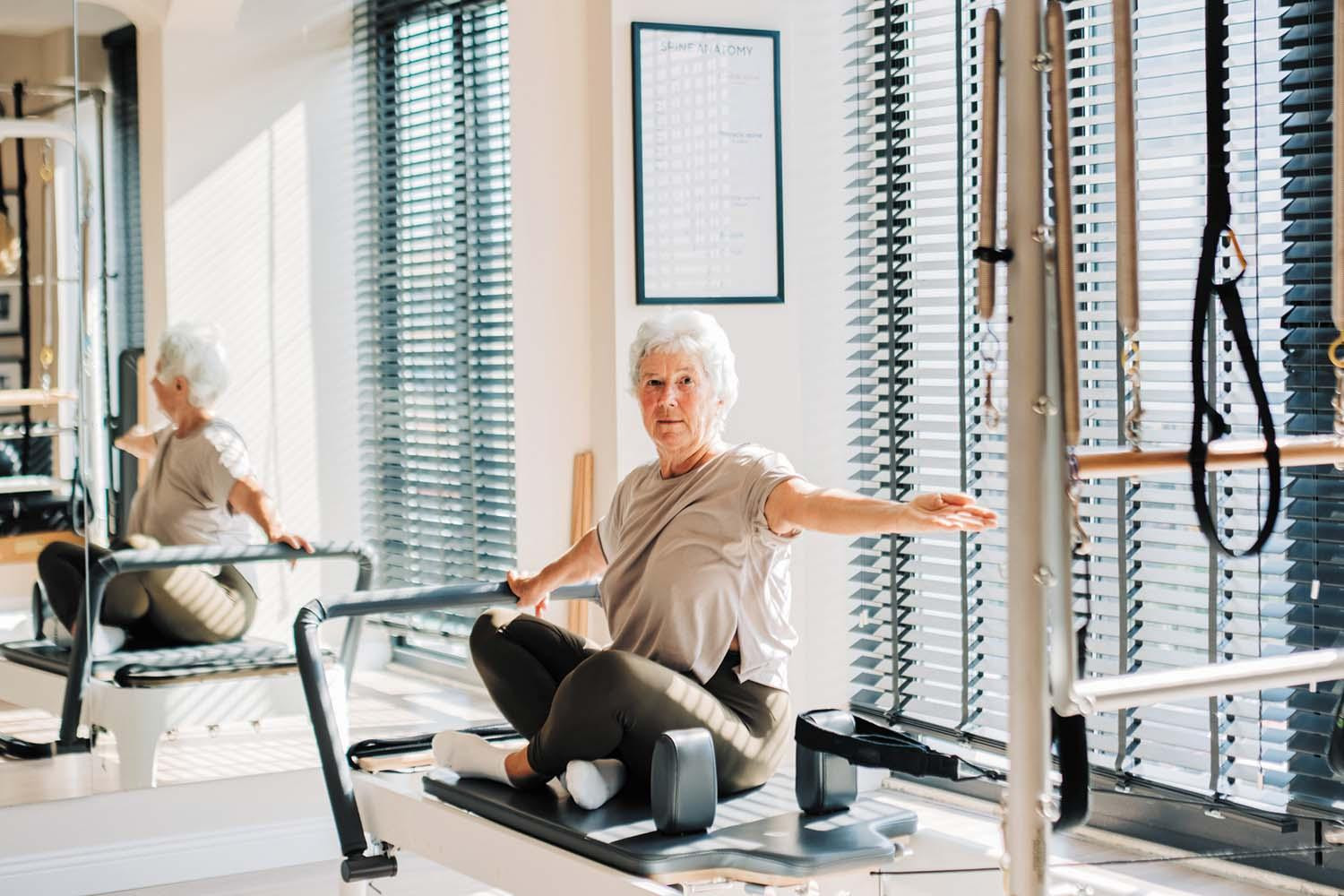
Pilates: A good workout option, even as we get older
Pilates can be a good low-impact workout option, especially as people get older. It focuses on core strength, balance, and flexibility, and can be adapted-on a mat, reformer, or even in a chair-to different abilities and comfort levels.
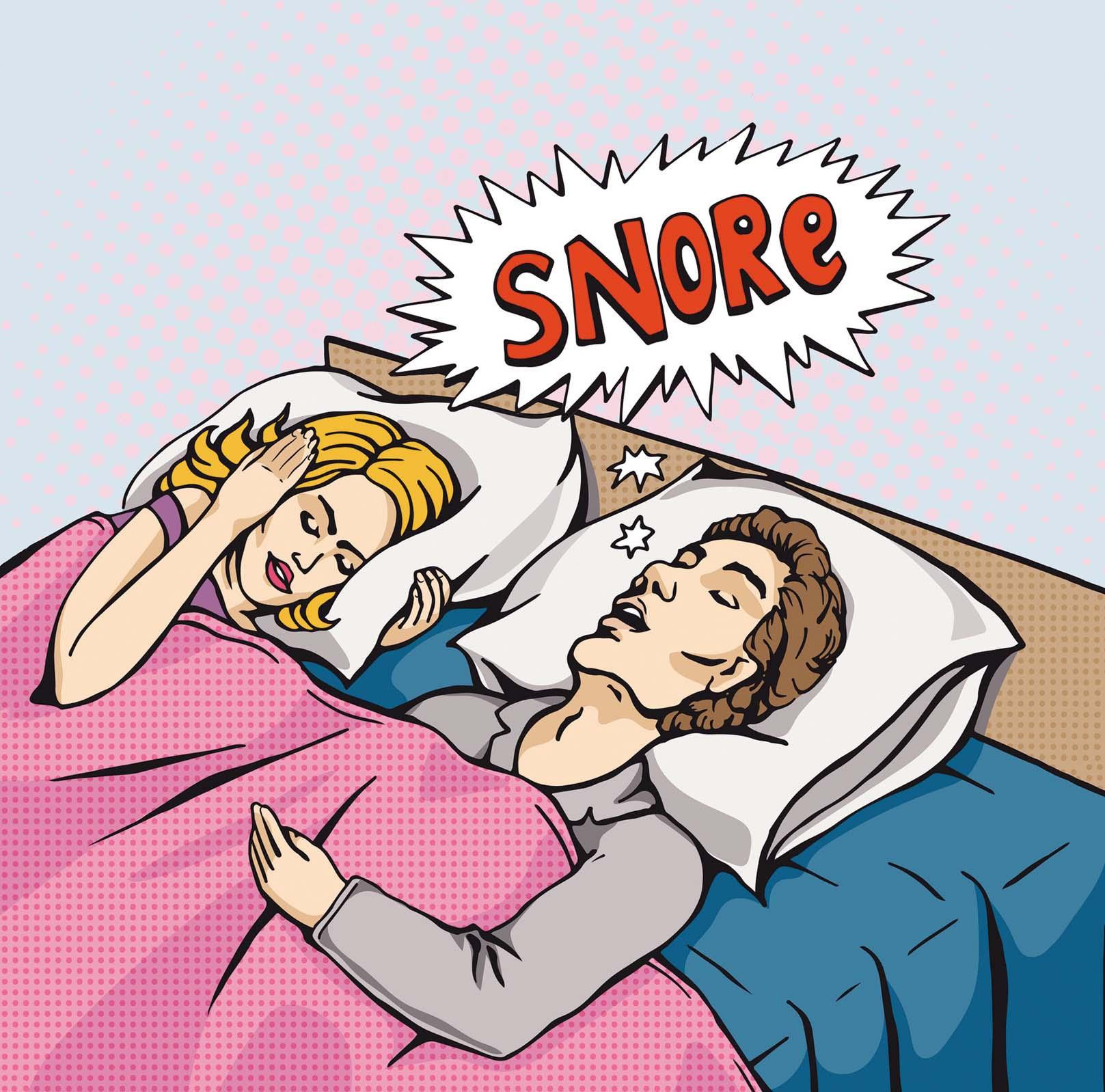
Do products that claim to stop your snoring actually work?
Snoring can strain sleep and relationships, but certain devices and habits may help. Positional aids, oral appliances, and lifestyle changes sometimes reduce noise, while persistent or severe symptoms warrant a medical check to rule out conditions like sleep apnea.
Whole grains may improve several heart risk factors at once
Light exposure at night may raise risk for heart disease
Children of centenarians may stay healthier and live longer too, study finds
A lumbar belt may help ease low back pain
Signs of pneumonia: Sometimes vague and unexpected
The surprising link between ovarian cancer and the fallopian tubes
Using a vibration plate: What it can — and can't — do for your body
People who walk more or walk faster live longer, study finds
Rosacea treatments: What works?
For sleep apnea, a dental device may be as effective as CPAP
Free Healthbeat Signup
Get the latest in health news delivered to your inbox!
Sign Up
