

Whole grains may improve several heart risk factors at once

Light exposure at night may raise risk for heart disease

Children of centenarians may stay healthier and live longer too, study finds

A lumbar belt may help ease low back pain

Signs of pneumonia: Sometimes vague and unexpected

The surprising link between ovarian cancer and the fallopian tubes

Using a vibration plate: What it can — and can't — do for your body

People who walk more or walk faster live longer, study finds

Rosacea treatments: What works?

For sleep apnea, a dental device may be as effective as CPAP
Physical activity and exercise Archive
Articles
Higher fitness levels linked to lower risk of depression, dementia
People with higher levels of cardiorespiratory fitness were less likely to develop depression and dementia than those with low levels of cardiorespiratory fitness, according to a 2026 research review.
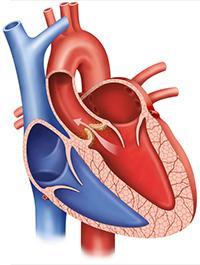
Heart-healthy habits over time linked to a lower risk of aortic stenosis
People who maintain or improve their heart-related risks over time are less likely to develop calcification of the aortic valve, which may lead to aortic stenosis.

Small upgrades to sleep, diet, and exercise may cut heart risk
Sleeping 11 additional minutes, doing an extra five minutes of moderate-to-vigorous physical activity, and eating just a quarter-cup more of vegetables each day was linked to a 10% reduction in heart attacks, strokes, and other serious heart problems, according to a 2026 study.

The best stretching routines for men
Men may be less flexible than women, but stretching offers important benefits for everyone, especially as they age. Stretching may help keep muscles limber, improve balance and posture, prevent injuries, and even benefit sports performance.

Why do I shrink in height as I age?
Around age 40, most people lose some height, and the decline accelerates with age. This "shrinkage" can be slowed by preventing osteoporosis and improving posture. Getting enough calcium and vitamin D can help increase bone density, and exercises for the back and abdominal muscles can help with posture.

Building better muscle
Men tend to lose as much as 3% to 5% of their muscle mass per decade after age 30, and the muscle-building hormone testosterone gradually declines after age 40. This makes it harder for men to build and maintain muscle as they age. One solution is a well-designed weight training program. Workouts should focus on all major muscles, but men should pay extra attention to leg muscles, which they rely on more for everyday movements as they age.
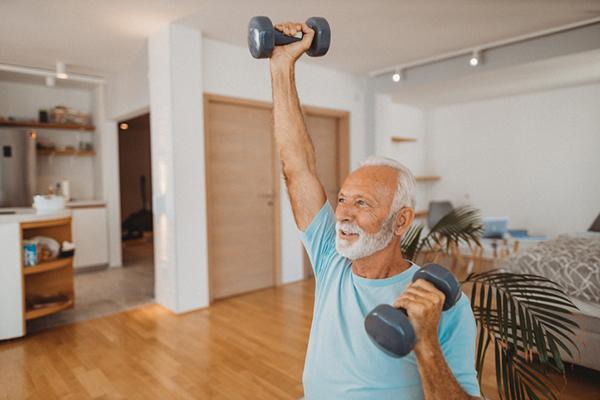
Resistance training works — and it may be easier than you think
Regular resistance training, with either home-based or gym exercises, improves strength, muscle size, power, endurance, and daily function. New guidelines recommend resistance training with high effort that works all major muscle groups at least twice a week.

What is a normal heart rate?
Exercise can lower resting heart rate and raise maximum heart rate to reduce the risk of heart attack and death.

How can technology help people manage their health between — and during — doctor visits?
Data from apps or wearable devices can help people spot patterns, track changes, and notice potential problems earlier—information that’s valuable both between and during clinician appointments.
Whole grains may improve several heart risk factors at once
Light exposure at night may raise risk for heart disease
Children of centenarians may stay healthier and live longer too, study finds
A lumbar belt may help ease low back pain
Signs of pneumonia: Sometimes vague and unexpected
The surprising link between ovarian cancer and the fallopian tubes
Using a vibration plate: What it can — and can't — do for your body
People who walk more or walk faster live longer, study finds
Rosacea treatments: What works?
For sleep apnea, a dental device may be as effective as CPAP
Free Healthbeat Signup
Get the latest in health news delivered to your inbox!
Sign Up
