

CoQ10: Should you take this popular supplement if you're on a statin?

Oat vs. dairy milk: Nutrition, benefits, and downsides

Microplastics: A hidden health threat?

Healing after food poisoning

What is tempeh? Benefits, nutrition, and how to use it

Light exposure at night may raise risk for heart disease

Whole grains may improve several heart risk factors at once

A lumbar belt may help ease low back pain

Children of centenarians may stay healthier and live longer too, study finds

Signs of pneumonia: Sometimes vague and unexpected
Osteoporosis Archive
Articles

Engage your heart and brain, even when you're sitting
Sitting too much is bad for health. But there are ways to make time spent seated a little healthier. For example, people can keep their brains active by reading, writing, doing a hobby (such as knitting), or playing an instrument. And people can exercise while in a seated position. It's possible to do an aerobic workout that gets the heart and lungs pumping, such as a seated dance routine or calisthenics, as well as muscle-strengthening activities or stretching exercises.
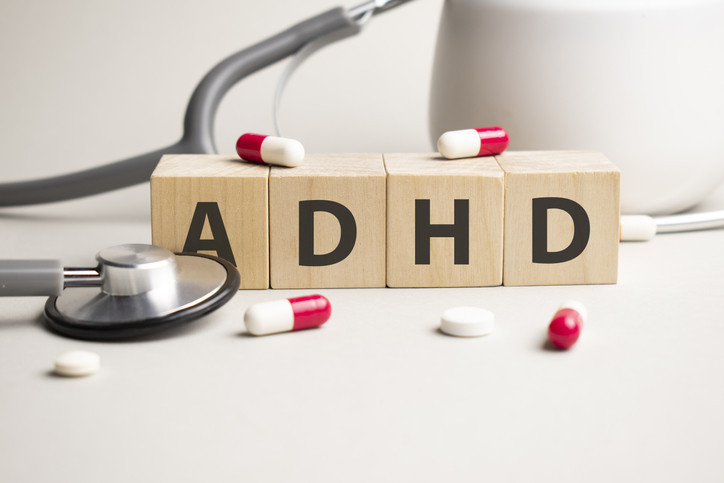
Attention deficit disorder linked to higher heart disease risk
People with attention-deficit hyperactivity disorder, a condition marked by trouble focusing and impulsive behavior, may be more likely to have cardiovascular disease that people without the disorder.

Vegetarian diet linked to more hip fractures in women
A 2022 study found that women ages 35 to 69 who ate vegetarian diets were significantly more likely to break a hip than peers who ate fish or meat. Vegetarians need to be sure they get adequate amounts of dietary protein, calcium, vitamin D, and other micronutrients to maintain bone health.

When the first step is the hardest
Women are twice as likely as men to develop plantar fasciitis, the most common cause of chronic heel pain. Pain is worst in the morning and eases over the course of the day. Older adults, some athletes, and people who are overweight or obese are likelier to develop plantar fasciitis. Mainstay treatments include stretches, medication, night splints, and supportive shoes. Emerging treatments include injections of botulinum toxin (Botox), platelet-rich plasma, or fat.

Eating disorders in midlife
By age 40, one in five women has dealt with an eating disorder, twice the proportion of women known to be affected by age 21. Risks for anorexia, bulimia, and binge eating can rise at midlife due to job stressors, an empty nest, and dating again after divorce or widowhood. Health effects can include bone loss, heart problems, lung conditions, gastrointestinal issues, diabetes, and skin breakdown. Signs of an eating disorder include dramatic weight fluctuations, excessive exercising, and preoccupation with weight, calories, and body size and shape.

Muscle pain in statin users is probably not caused by the drug
While muscle pain is a possible side effect of taking statins, most discomfort is not caused by the drug, but most likely a "nocebo effect" where negative expectations can lead to perceived side effects.
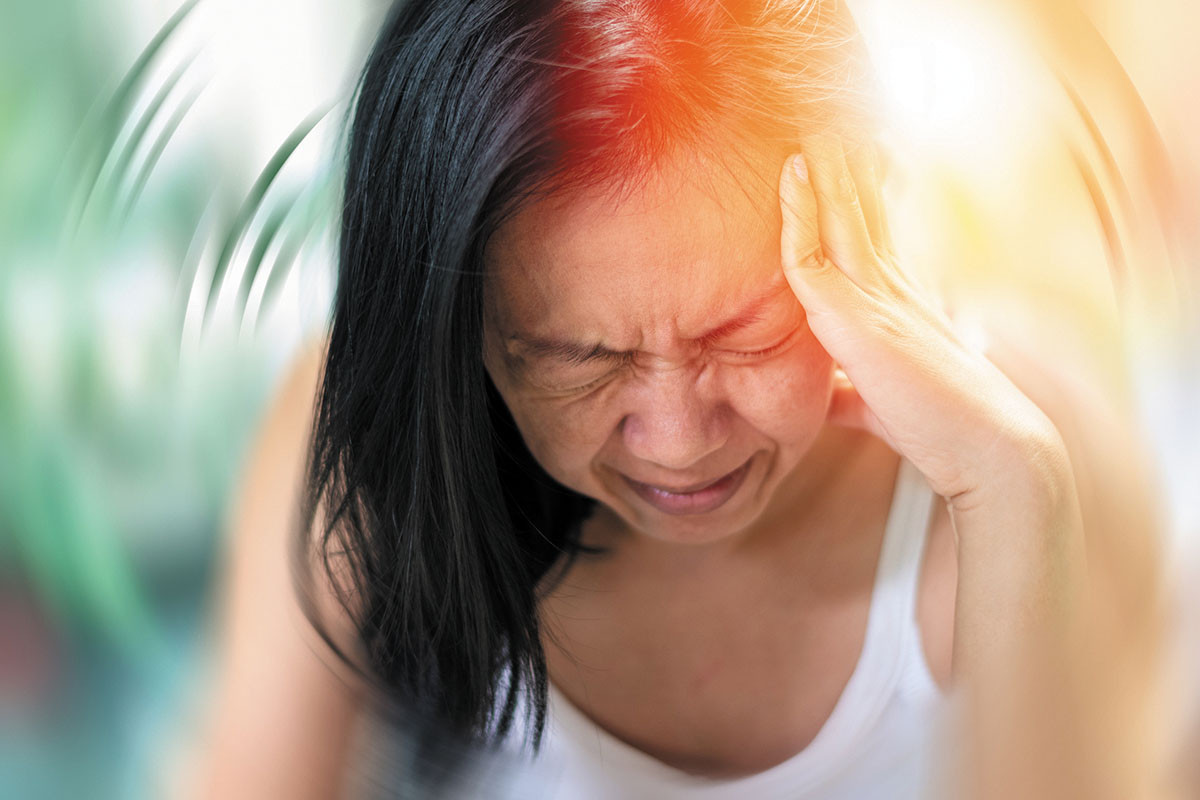
How can I tell if I have a concussion?
Concussions occur when the brain bumps or twists inside the skull after a blow to the head. Signs of concussion include headache, eye pain or fatigue, neck pain or stiffness, imbalance, impaired depth perception, difficulty remembering, or sleep pattern changes.

Genes protective during the Black Death may now be increasing autoimmune disorders
Genes that helped people survive during the time of the Black Death are more likely to be found in people with autoimmune diseases alive today. Does this tell scientists anything about what surviving the COVID-19 pandemic might mean for the world's population?
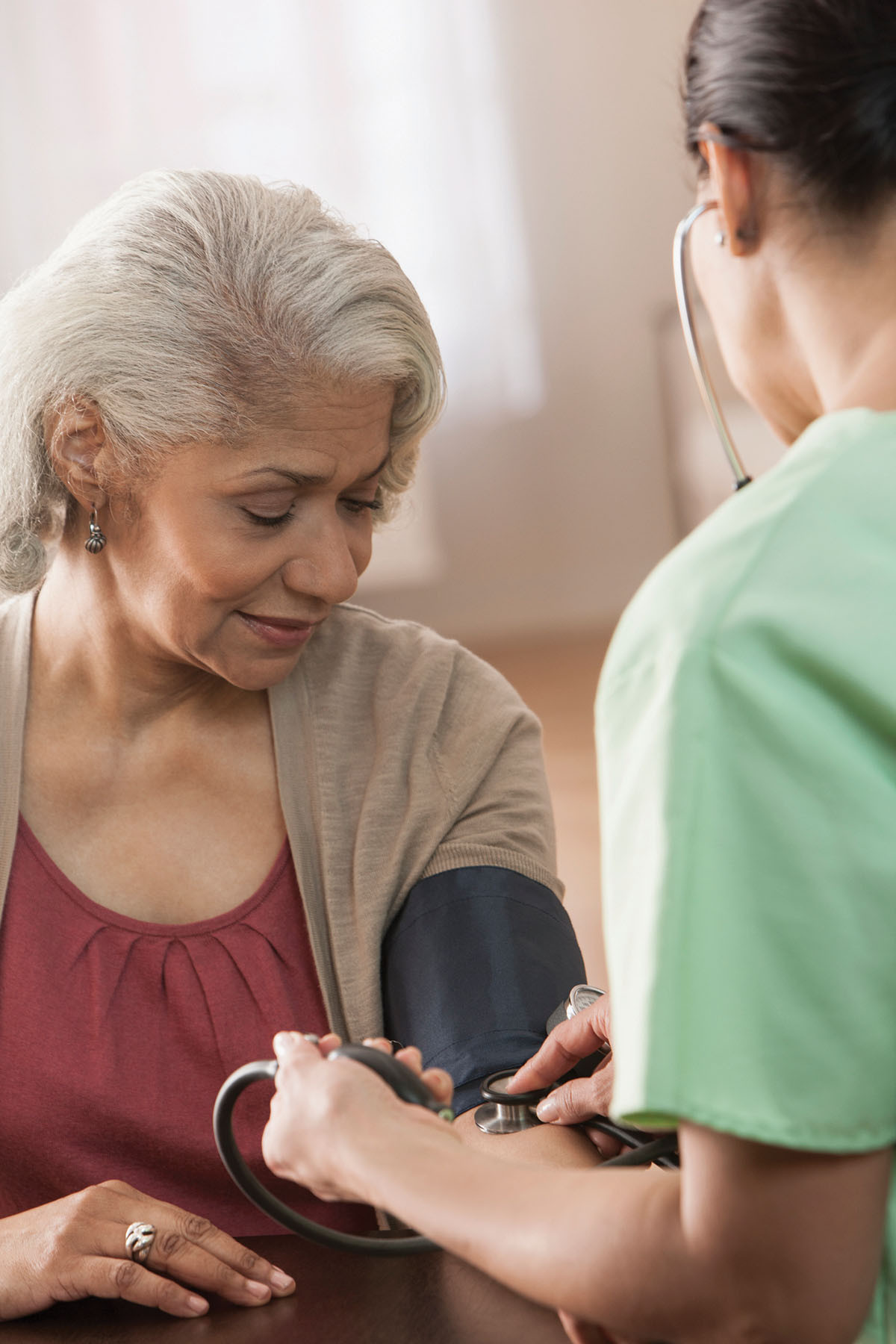
High blood pressure linked to severe COVID despite vaccination
A 2022 study found that high blood pressure more than doubled the risk of being hospitalized from an Omicron-variant COVID-19 infection regardless of full vaccination, including a booster dose of an mRNA vaccine.

Can you hear me now?
An estimated 30 million Americans experience some level of hearing loss, but only about 20% of them seek hearing aids. Many people can't accept they can't hear well, or won't act on symptoms. People should seek help if they have trouble hearing conversations, TV, and other sounds, and should see a doctor quickly if they have hearing loss in only one ear, pain, ear drainage, or vertigo. Visits with an audiologist and otolaryngologist (ear, nose, and throat doctor) are typically needed to get prescription hearing aids. Over-the-counter hearing aids are expected to be available online and in stores starting in late 2022.
CoQ10: Should you take this popular supplement if you're on a statin?
Oat vs. dairy milk: Nutrition, benefits, and downsides
Microplastics: A hidden health threat?
Healing after food poisoning
What is tempeh? Benefits, nutrition, and how to use it
Light exposure at night may raise risk for heart disease
Whole grains may improve several heart risk factors at once
A lumbar belt may help ease low back pain
Children of centenarians may stay healthier and live longer too, study finds
Signs of pneumonia: Sometimes vague and unexpected
Free Healthbeat Signup
Get the latest in health news delivered to your inbox!
Sign Up
