

CoQ10: Should you take this popular supplement if you're on a statin?

Oat vs. dairy milk: Nutrition, benefits, and downsides

Microplastics: A hidden health threat?

Healing after food poisoning

What is tempeh? Benefits, nutrition, and how to use it

Light exposure at night may raise risk for heart disease

Whole grains may improve several heart risk factors at once

A lumbar belt may help ease low back pain

Children of centenarians may stay healthier and live longer too, study finds

Signs of pneumonia: Sometimes vague and unexpected
Osteoporosis Archive
Articles

Can long COVID affect the gut?
Some people who have been infected with the virus that causes COVID-19 have experienced lingering effects like low energy and brain fog. Could gastrointestinal problems be another aftereffect of the virus?

Shingles linked with higher risk for heart disease and stroke
People who have had shingles have a 30% increased risk for heart disease and stroke, says a new Harvard study. Learn more about the risk.
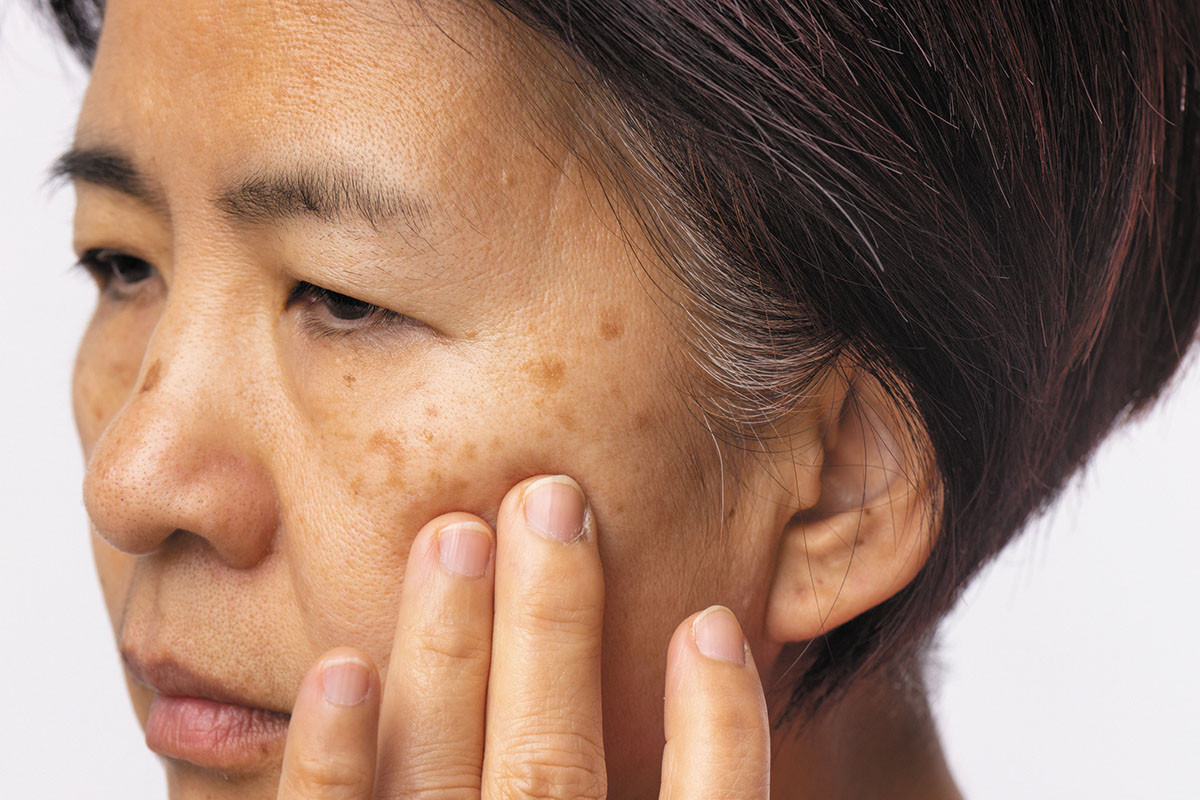
A mask that's hard to shed
Melasma, which causes dark patches on the face, is far more prevalent in women than in men. Dubbed the "mask of pregnancy," melasma triggers include not only pregnancy but also hormonal fluctuations, genetics, and sun exposure. People with darker skin are more prone to it. Melasma is typically treated with topical products that lighten the skin or slough off cells. Laser treatments and chemical peels, however, may worsen melasma. Sunscreen use can help prevent flares.

Why won't my hives go away?
Hives are red, itchy welts that crop up on the skin. Allergic reactions and stress, among other triggers, can cause episodes of hives, which typically last several days to a couple of weeks. Cases that last six weeks or longer may be autoimmune hives.

What's that speck in my eye?
Floaters are shadows that develop in people's field of vision and become more noticeable in certain light. Aging, cataract surgery, and being nearsighted make floaters more likely.

Vaccination may protect against long COVID
Getting at least one dose of a COVID vaccine lowers the risk of developing long COVID even among people who were previously unvaccinated and recovered from COVID.

The skinny on fatty liver
The body's second largest organ, the liver is responsible for more than 500 bodily functions. One of the liver's greatest threats is nonalcoholic fatty liver disease (NAFLD), an umbrella term that includes several forms of liver disease. Most people with NAFLD have a type known as simple fatty liver. However, up to 20% of people with NAFLD develop inflammation in the liver known as nonalcoholic steatohepatitis (NASH). Left unchecked, this more dangerous form can progress into fibrosis (scarring) and potentially cirrhosis (severe scarring and liver damage). Lifestyle changes, such as weight loss, increasing exercise, and adopting a plant-based diet are the best means to manage and prevent NAFLD.

Harvard study: Shingles linked to a spike in risks for heart attack and stroke
A 2022 observational study that included more than 200,000 people found that those who'd had shingles at some point had a 30% higher long-term risk for a major cardiovascular event, compared with people who didn't have shingles.

Pondering a new knee? Try this as you gear up for the decision
People with knee arthritis who don't feel ready for joint replacement can take a number of steps as they ponder the possibility. These include getting knee injections or wearing a brace to reduce pain, modifying activities (such as exercise) that aggravate knee pain, losing weight to take pressure off the knee joint, exercising more to help with weight control, seeking physical therapy, getting underlying health conditions under control, doing research about knee replacement, and talking to an orthopedic surgeon.

Why you keep waking up to go to the bathroom
Making one or more trips to the bathroom every night is the defining characteristic of a medical condition called nocturia. It can be caused by aging, lifestyle habits, or underlying conditions such as an overactive bladder or (in men) an enlarged prostate. Treating nocturia starts with lifestyle changes such as avoiding fluids several hours before bedtime, eliminating caffeinated drinks 10 hours before bedtime, and limiting evening alcohol intake. Medications, pelvic floor exercises, injections of botulinum toxin (Botox), or nerve stimulation treatments may also help.
CoQ10: Should you take this popular supplement if you're on a statin?
Oat vs. dairy milk: Nutrition, benefits, and downsides
Microplastics: A hidden health threat?
Healing after food poisoning
What is tempeh? Benefits, nutrition, and how to use it
Light exposure at night may raise risk for heart disease
Whole grains may improve several heart risk factors at once
A lumbar belt may help ease low back pain
Children of centenarians may stay healthier and live longer too, study finds
Signs of pneumonia: Sometimes vague and unexpected
Free Healthbeat Signup
Get the latest in health news delivered to your inbox!
Sign Up
