

CoQ10: Should you take this popular supplement if you're on a statin?

Oat vs. dairy milk: Nutrition, benefits, and downsides

Microplastics: A hidden health threat?

Healing after food poisoning

What is tempeh? Benefits, nutrition, and how to use it

Light exposure at night may raise risk for heart disease

Whole grains may improve several heart risk factors at once

A lumbar belt may help ease low back pain

Children of centenarians may stay healthier and live longer too, study finds

Signs of pneumonia: Sometimes vague and unexpected
Osteoporosis Archive
Articles

Over-the-counter hearing aids: What we know so far
Over-the-counter hearing aids are now available in stores and online. They're regulated by the FDA, they don't require a prescription from a doctor, and they're cheaper than prescription hearing aids. But over-the-counter devices are not right for everyone. They're meant only for adults with perceived mild to moderate hearing loss. Before buying a pair, a person should do some homework to find devices with the right fit and features, including a trial period that allows the buyer to return them if they aren't working out.

Spot the warning signs of 4 dangerous conditions
Sometimes people miss the symptoms of life-threatening conditions such as a heart attack, a stroke, atrial fibrillation, or a pulmonary embolism. To detect the warning signs, people should pay attention to sudden, new symptoms, especially if they include shortness of breath, chest pain, heart palpitations, lightheadedness, confusion, weakness, fatigue, fainting, or a terrible headache. Someone experiencing any of these symptoms should call 911. If symptoms aren't sudden or intense, and people aren't sure if they warrant emergency help, they should call their doctor.

Seeing a surgeon?
A pre-surgery consultation with the surgeon can feel overwhelming. Many people are anxious and have questions about what's to come. Setting the right expectations on both sides can ease anxiety and help define a successful outcome.

What happens when a drug goes viral?
| After celebrities touted its weight loss benefits, high demand put the diabetes medication Ozempic in short supply. Learn more about what this means for people with diabetes. |

A mindful way to help manage type 2 diabetes?
Lifestyle changes like regular exercise, a healthy diet, and sufficient sleep are cornerstones of self-care for people with type 2 diabetes. But can mind-body practices help people manage or even treat type 2 diabetes? An analysis of multiple studies suggests they might.

Take arms against perplexing pain
Pain in the shoulder, elbow, or wrist without obvious injury is common. Possible causes include arthritis, bursitis, frozen shoulder, rotator cuff tear, tendinitis, or nerve compression in the carpal tunnel or the cubital tunnel. Home remedies include rest, ice, compression, or elevation; over-the-counter anti-inflammatory pain relievers; and devices such as a splint or brace. Other treatments include physical therapy or steroid injections. Surgery is usually a last resort.
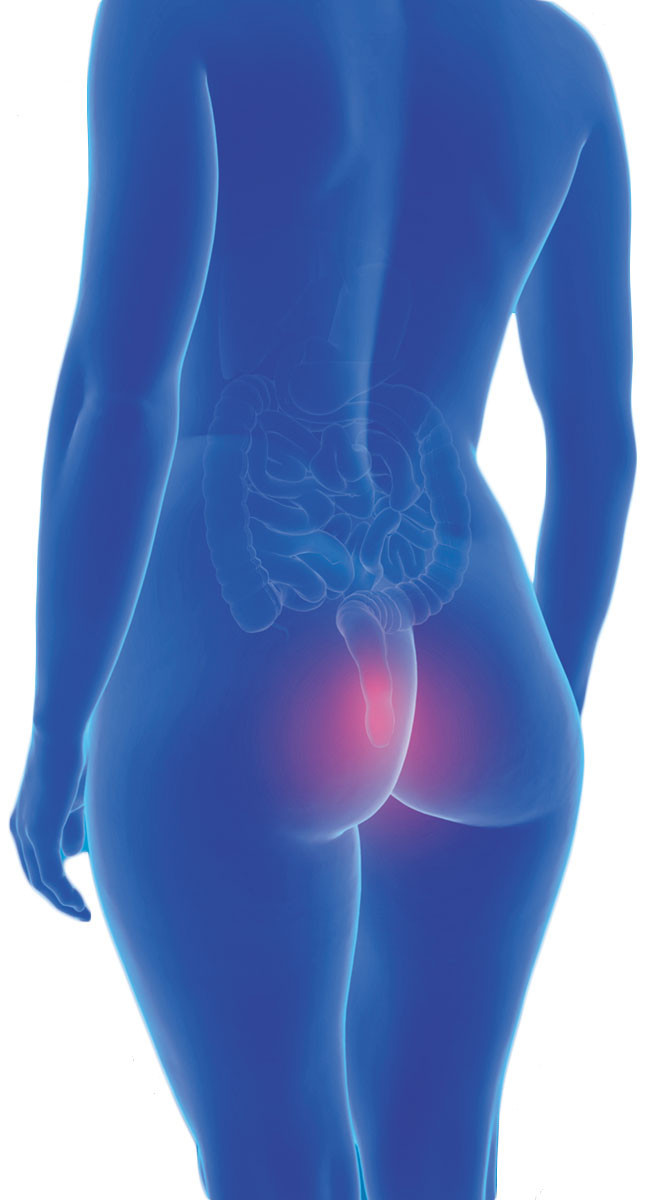
A pain in the rear
Everyone is born with the blood vessels that underlie hemorrhoids, but they may become problematic when they enlarge. Half of people have symptoms by age 50 that include pain, itching, swelling, and bleeding. Home remedies such as pain relievers, topical creams and ointments, sitz baths, and cold compresses don't eradicate hemorrhoids. In-office procedures can cut off blood supply to internal hemorrhoids, allowing them to fall off. Surgery is the only definitive treatment option for external hemorrhoids visible at the anus.

Guide to starting a strength training program
Most men will lose about 30% of their muscle mass over their lifetimes, a natural process called sarcopenia. But no matter a man's age, he can still build and maintain muscle with strength training. Strength training consists of upper- and lower-body exercises using free weights, weight machines, resistance bands, or body weight. Hiring a personal trainer who can design an individual program and teach proper exercise techniques and form is an ideal first step for beginners and those returning to exercise.
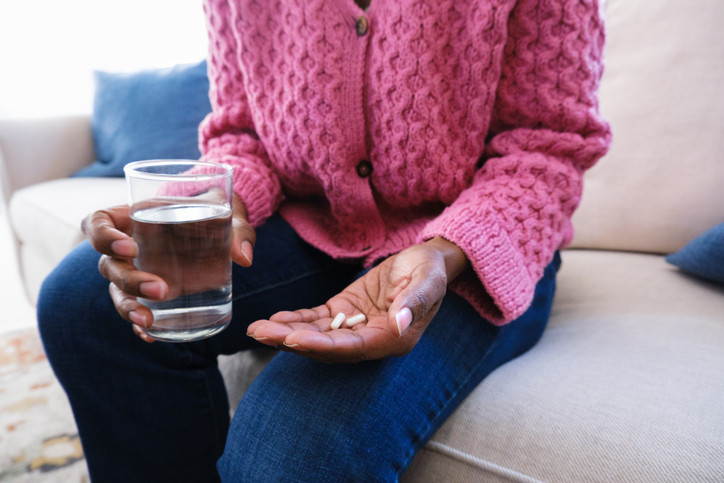
Don't count on a supplement to fix high cholesterol
A 2022 study found that taking supplements for four weeks to treat "bad" LDL cholesterol was ineffective, compared with taking a statin drug for four weeks. Supplements studied included fish oil, cinnamon, garlic, turmeric, plant sterols, and red yeast rice.

Poor sleep linked to a common cause of blindness
In a large 2022 study, people with unhealthy sleep patterns (those who snored, experienced daytime sleepiness, had insomnia, slept less than seven hours per night, or slept more than nine hours per night) were more likely to develop glaucoma than people with healthy sleep patterns.
CoQ10: Should you take this popular supplement if you're on a statin?
Oat vs. dairy milk: Nutrition, benefits, and downsides
Microplastics: A hidden health threat?
Healing after food poisoning
What is tempeh? Benefits, nutrition, and how to use it
Light exposure at night may raise risk for heart disease
Whole grains may improve several heart risk factors at once
A lumbar belt may help ease low back pain
Children of centenarians may stay healthier and live longer too, study finds
Signs of pneumonia: Sometimes vague and unexpected
Free Healthbeat Signup
Get the latest in health news delivered to your inbox!
Sign Up
