

Whole grains may improve several heart risk factors at once

Light exposure at night may raise risk for heart disease

Children of centenarians may stay healthier and live longer too, study finds

A lumbar belt may help ease low back pain

Signs of pneumonia: Sometimes vague and unexpected

The surprising link between ovarian cancer and the fallopian tubes

Using a vibration plate: What it can — and can't — do for your body

People who walk more or walk faster live longer, study finds

Rosacea treatments: What works?

For sleep apnea, a dental device may be as effective as CPAP
Hearing Loss Archive
Articles
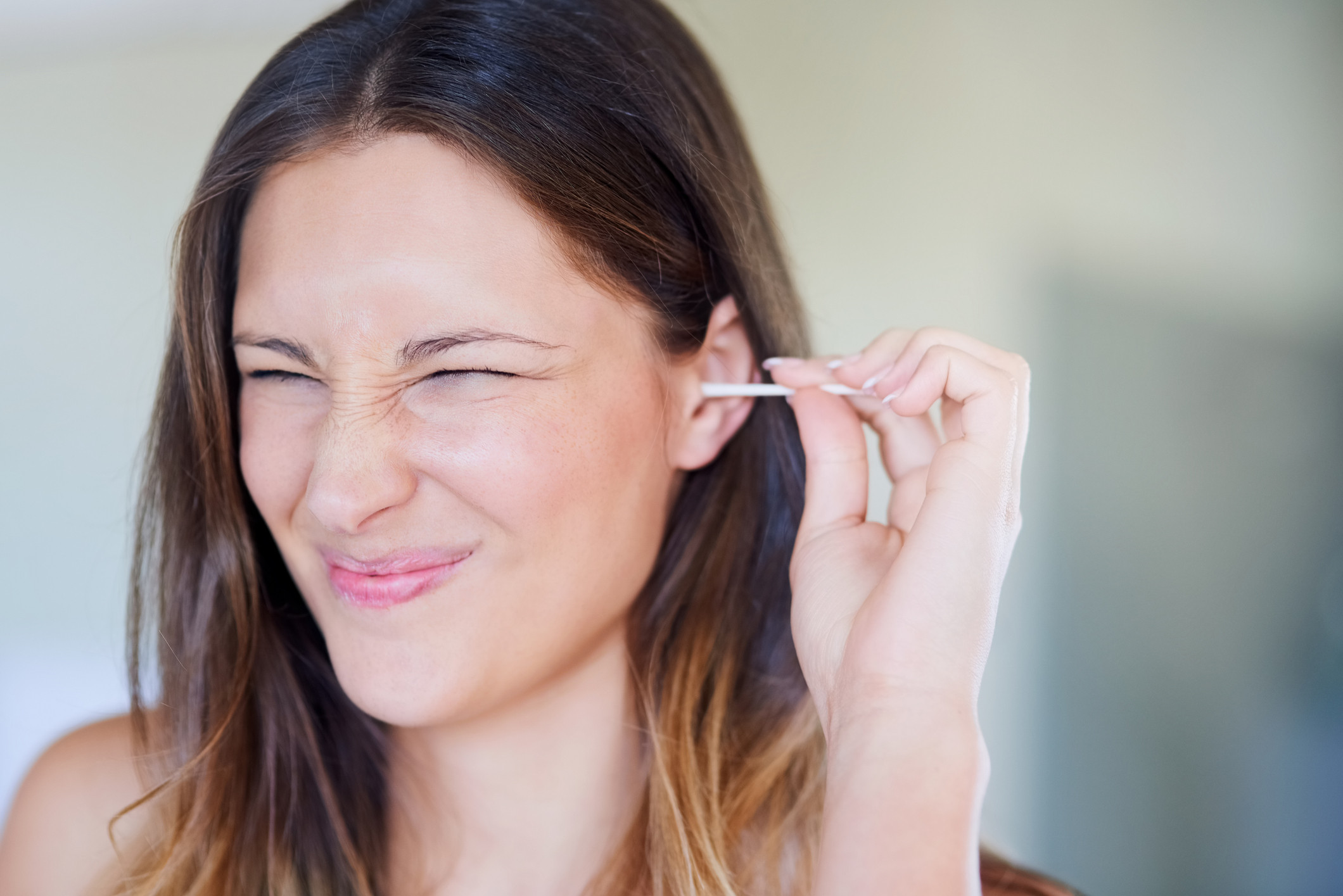
Do I need to clean my ears?
Earwax should be removed only if it causes problems with hearing, ringing in the ears, or an earache. To unblock the wax, people can use an over-the-counter ear-cleaning treatment to flush it out. If this is not successful, see your doctor.

When are nosebleeds a problem?
Nosebleeds are common, and dry air is the most prevalent cause. Other triggers include allergies, blood-thinning medications, or a deviated septum. People with frequent, heavy nosebleeds may need evaluation for a more serious underlying condition.

Why do I choke on my saliva?
People may choke on their own saliva when talking quickly, laughing, or turning their head. Other causes include postnasal drip or dry mouth, which medications may trigger. Certain health conditions can also affect swallowing.


What's the best self-fitting strategy for over-the-counter hearing aids?
A small randomized trial in 2024 found that both self-adjustment and in-situ audiometry were effective strategies to match self-fitting hearing aids to personal hearing needs. However, self-adjustment devices had the best satisfaction rates and consistent use.

When is tinnitus more than a nuisance?
Tinnitus (ringing in the ears) is a sound people hear in their ears or head that no one else can hear. It is often described as buzzing, humming, ringing, static, or whooshing. While tinnitus is rarely a serious problem, people should get checked to see if it is related to a medical condition.

Reconsider cognitive behavioral therapy for tinnitus
Cognitive behavioral therapy (CBT) helps redirect negative thoughts and emotions. It's often prescribed to help people cope with tinnitus (a phantom ringing in the ears). A 2024 study found that CBT is most likely to be beneficial when tinnitus symptoms are severe.

Ever hear of tonsil stones?
Tonsil stones are small white or yellow deposits on the tonsils. They develop when bacteria, saliva, food particles, and debris from cells lining the mouth get trapped in tiny indentations on the tonsils. While usually harmless, they can cause bad breath and sore throats.

Should you try these tools to clean your ears?
It's unnecessary to clean inside the ears unless someone has a blockage of earwax. Experts advise against using home earwax removal tools. Such tools include tiny cameras, scoopers, or vacuums that are placed into the ear. The safer, tried-and-true method of earwax removal involves placing a few drops of earwax lubricant (oil-based drops), water, or hydrogen peroxide in the affected ear, and then allowing it to dissolve the earwax and drain from the ear. If that doesn't work, a doctor can remove earwax.

Whole grains may improve several heart risk factors at once
Light exposure at night may raise risk for heart disease
Children of centenarians may stay healthier and live longer too, study finds
A lumbar belt may help ease low back pain
Signs of pneumonia: Sometimes vague and unexpected
The surprising link between ovarian cancer and the fallopian tubes
Using a vibration plate: What it can — and can't — do for your body
People who walk more or walk faster live longer, study finds
Rosacea treatments: What works?
For sleep apnea, a dental device may be as effective as CPAP
Free Healthbeat Signup
Get the latest in health news delivered to your inbox!
Sign Up
