

Whole grains may improve several heart risk factors at once

Light exposure at night may raise risk for heart disease

Children of centenarians may stay healthier and live longer too, study finds

A lumbar belt may help ease low back pain

Signs of pneumonia: Sometimes vague and unexpected

The surprising link between ovarian cancer and the fallopian tubes

Using a vibration plate: What it can — and can't — do for your body

People who walk more or walk faster live longer, study finds

Rosacea treatments: What works?

For sleep apnea, a dental device may be as effective as CPAP
Hearing Loss Archive
Articles

Could a lost sense of smell signal a health problem?
A change in your sense of smell can have many possible explanations. Find out what factors to consider and when discussing it with a doctor may help.
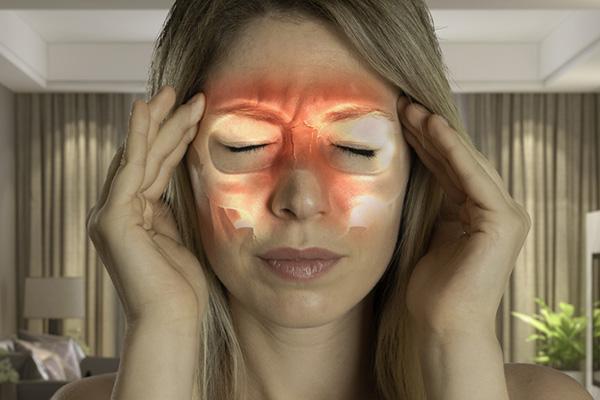
What signs point to a bacterial sinus infection?
Sinus symptoms can have several causes, and certain patterns may help distinguish a routine cold from a problem needing medical attention.

Tongue health: What to look for and when to seek care
The tongue’s appearance gives doctors an idea about certain aspects of your health, and its color is an important clue. Some changes in the tongue’s color or appearance are signs of health issues and should be seen by a doctor.
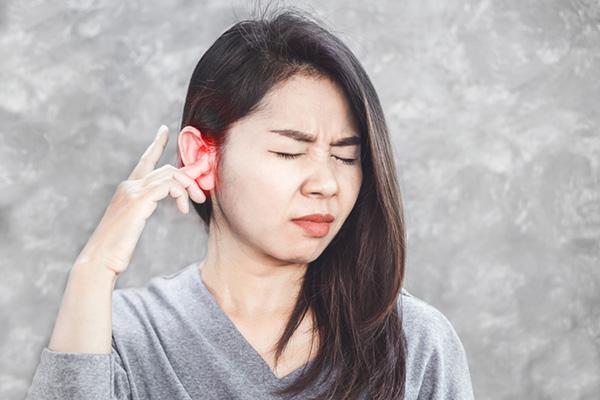
Can allergies trigger ringing in the ears?
Allergy symptoms can affect more than your nose. See why nasal congestion may be linked with tinnitus and what may help guide next steps.
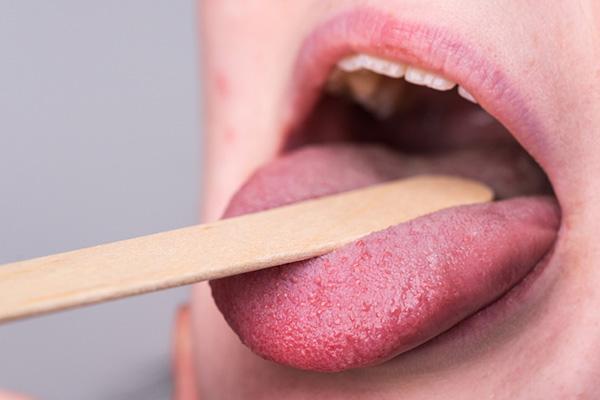
What can cause a red, tingling tongue?
A red, tingling tongue can have several possible triggers, from everyday irritants to health conditions that may need medical attention.

Hearing loss in noisy environments
Having conversations in restaurants and other noisy places can be challenging for people with hearing loss. Strategic seating and using devices such as hearing aids (adjusted to reduce background noise) or a remote microphone can help people follow and engage in conversations.
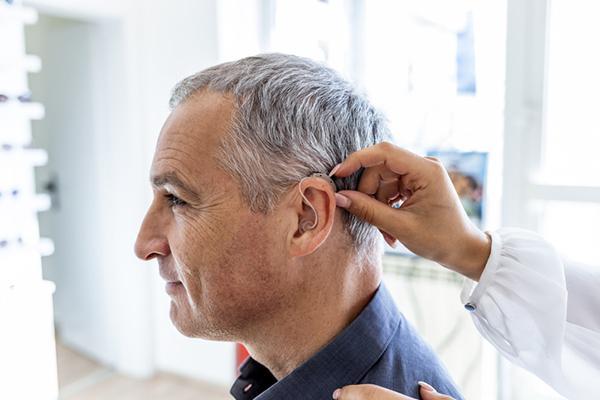
Hearing aids: Types, costs, over-the-counter options, and AirPods
Hearing aids amplify sound and can improve communication for most people with hearing loss. They come in several styles and offer different features, so you can choose an option that fits your preferences, technology comfort level, and degree of hearing loss. Hearing aids are available by prescription or over the counter; over‑the‑counter options include certain types of earbuds.
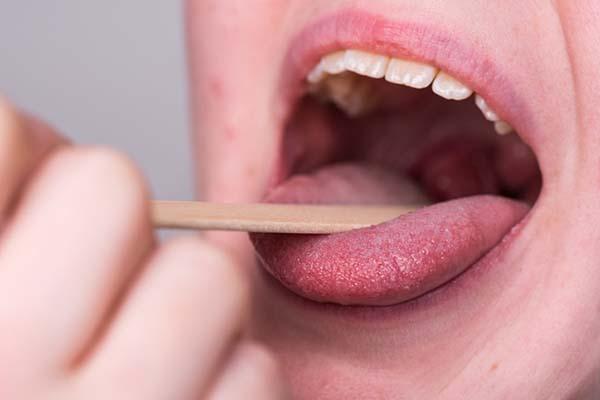
What could a persistent salty taste in the mouth mean?
A strong salty taste that lingers in the mouth and upsets the stomach can signal several issues, from dehydration to medications and sinus problems.

What's behind a year-round stuffy nose?
Morning congestion can stem from allergies, medications, or nasal problems—even in winter. Find out what may be behind it and how to ease it.

Think fast: How does your face protect you?
Not only is our face our calling card to the world, its features evolved to mount immune system defenses, help ward off illness, and protect us in many ways. Our eyes, nose, mouth, and facial structure itself all contribute to our continued well-being.
Whole grains may improve several heart risk factors at once
Light exposure at night may raise risk for heart disease
Children of centenarians may stay healthier and live longer too, study finds
A lumbar belt may help ease low back pain
Signs of pneumonia: Sometimes vague and unexpected
The surprising link between ovarian cancer and the fallopian tubes
Using a vibration plate: What it can — and can't — do for your body
People who walk more or walk faster live longer, study finds
Rosacea treatments: What works?
For sleep apnea, a dental device may be as effective as CPAP
Free Healthbeat Signup
Get the latest in health news delivered to your inbox!
Sign Up
