

Whole grains may improve several heart risk factors at once

Light exposure at night may raise risk for heart disease

Children of centenarians may stay healthier and live longer too, study finds

A lumbar belt may help ease low back pain

Signs of pneumonia: Sometimes vague and unexpected

The surprising link between ovarian cancer and the fallopian tubes

Using a vibration plate: What it can — and can't — do for your body

People who walk more or walk faster live longer, study finds

Rosacea treatments: What works?

For sleep apnea, a dental device may be as effective as CPAP
Exercise and Fitness Archive
Articles

Walking for wellness: Quick jaunts versus long treks
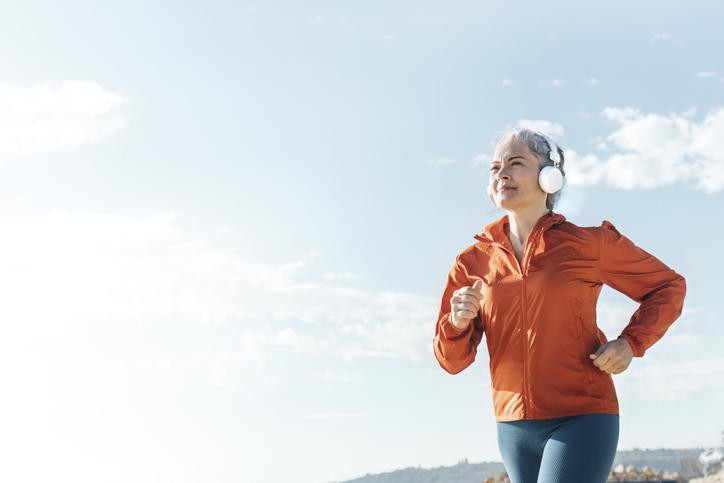
Physical activity improves physical and mental health, and walking is the simplest way to stay active. Walking for more than 10 minutes at a time may offer extra benefits, but all movement counts. For people over 60, 6,000 to 8,000 steps a day are optimal, regardless of walking speed.
Exercise may lower risk of premature death among people with diabetes
A 2025 study suggested that people with diabetes who exercise regularly or in a "weekend warrior" pattern are significantly less likely to die earlier than peers who are inactive.

Pickleball-related eye injuries increasing
As the number of pickleball players has grown, so has the number of eye injuries in people ages 50 or older, according to a 2025 study. Such injuries include damage to the eye surface, retinal detachment, or fractures near the eye socket.
Building stronger legs
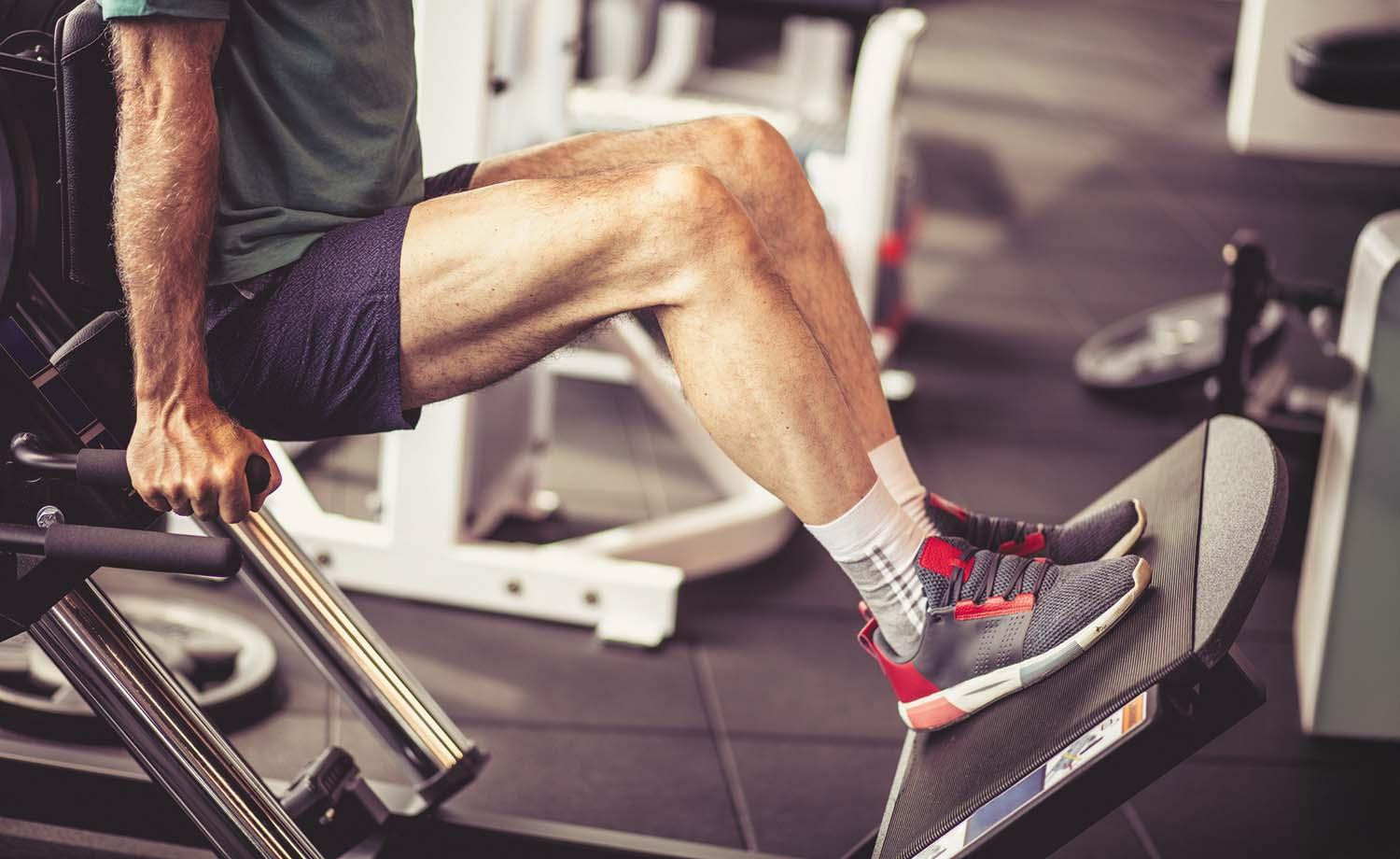
Leg strength becomes even more vital as people age, as the legs are essential for routine movements such as going up and down stairs, sitting and rising from chairs, bending over and standing up, and protecting against falls. The main leg muscles are gluteals, quadriceps, hamstrings, and calves. Some exercises that can help strengthen these muscles are bridges, step-ups, and heel raises.
6 mistakes that sabotage your workout
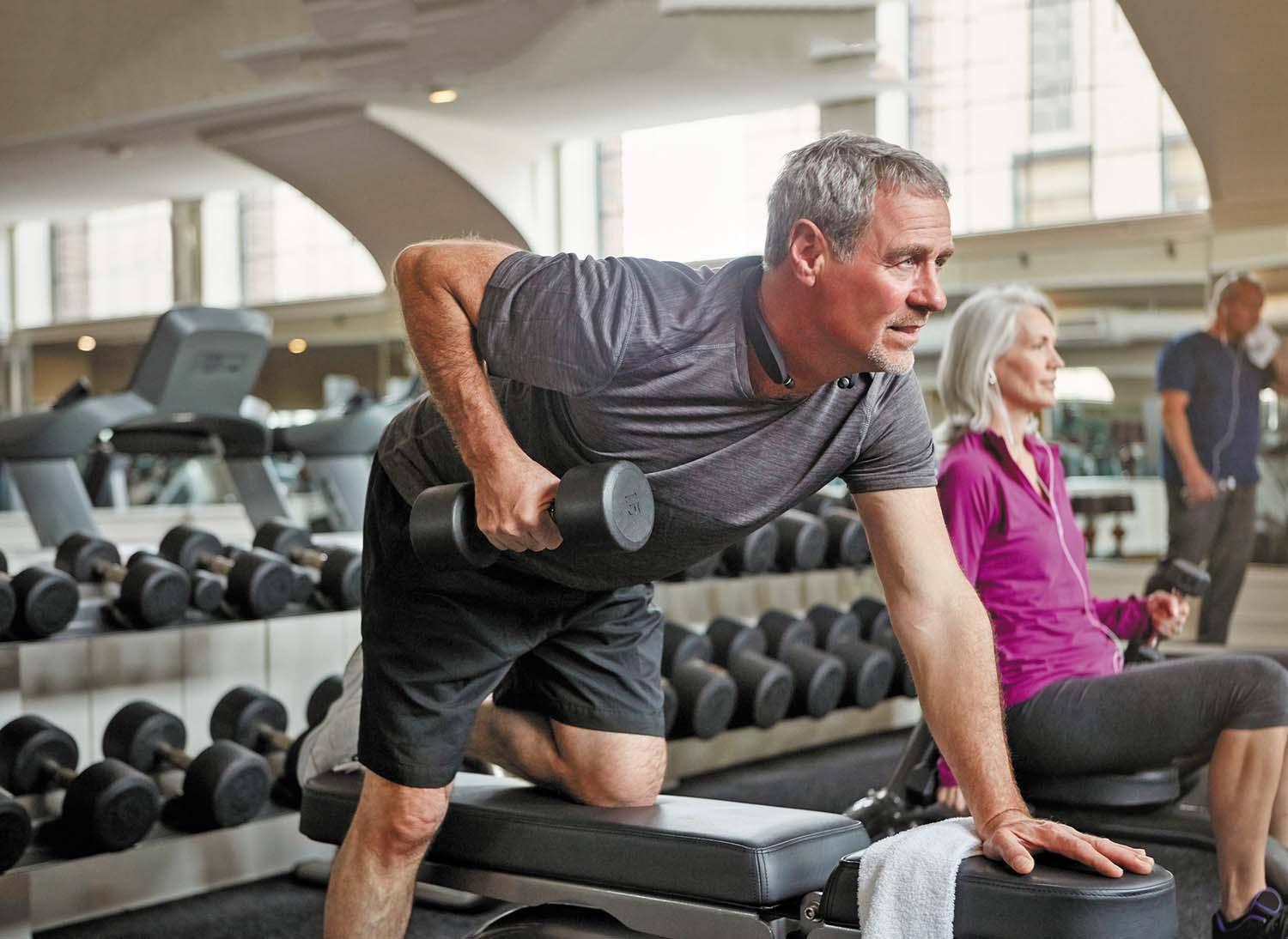
Simple mistakes can undermine an exercise regimen. Some errors can lead to muscle injury, such as skipping a warm-up before a workout, slouching while exercising, cramming too much into a single exercise session, lifting too much weight, and working the same muscle groups every day without allowing them to rest properly. Another big mistake is not staying properly hydrated, which can be tough on the heart and muscles. To avoid mistakes, it might help to work with a physical therapist or personal trainer.
A modest level of physical activity may help protect women from health risks
According to a 2025 study, women who walked at least 4,000 steps per day once or twice a week had a lower risk of cardiovascular disease and early death compared with women who did not reach this threshold.
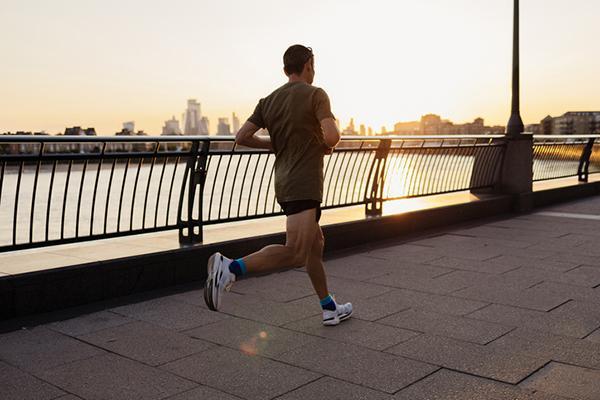
Does exercising in the evening affect sleep?
Research suggests that people can exercise in the evening without it affecting their sleep if they avoid physical activity several hours before bedtime.
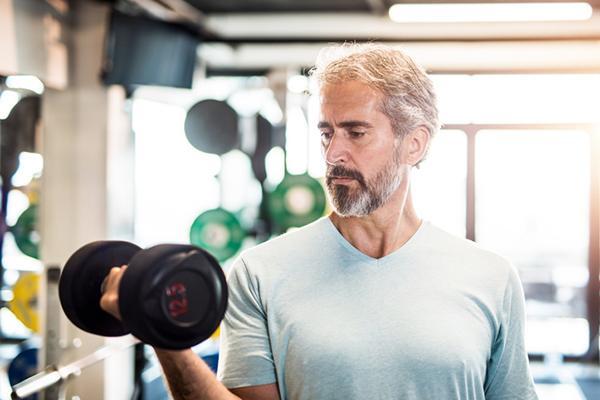
Go slower for strength training gains
A form of strength training called time under tension (TUT)focuses on the amount of time muscles are activated during an exercise rather than the number of repetitions or amount of weight. TUT forces people to use a slower tempo and controlled movements when exercising, which keeps the muscles engaged longer, helping to stimulate muscle growth. TUT can be applied to practically any type of strength training exercise, including free weights and gym machines.
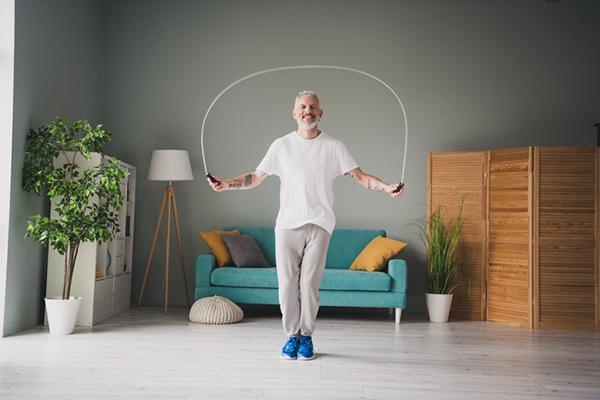
A fresh approach to cardio exercises
There are many ways people can meet the national guidelines for weekly activity. While running and walking are popular exercise choices, they are not the only options. Many sports and activities provide a similar heart-pumping workout, such as boxing, swimming, cycling, basketball, dancing, and even pickleball. People can also get creative and do circuit training using gym machines or perform cardio exercises at home.
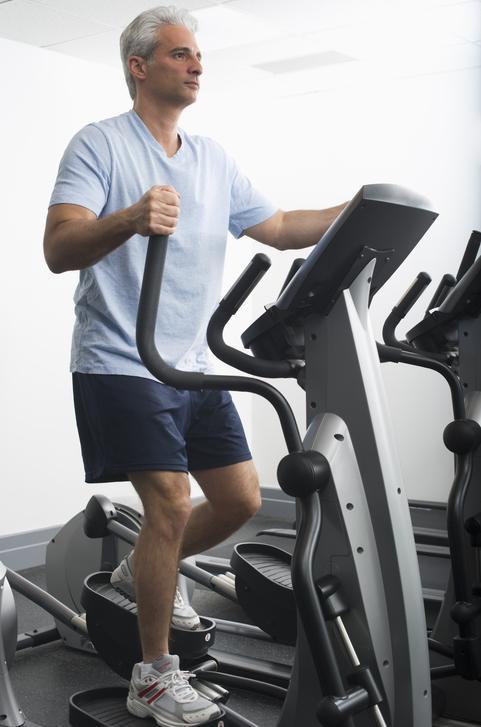
Why you should try ellipticals
Ellipticals are stationary exercise machines that simulate walking, running, or stair climbing. They combine cardio with strength training and can simultaneously engage the upper and lower body for a full-body workout. Ellipticals also offer a low-impact exercise, placing less stress on the knee, hip, and ankle joints, which make them ideal for people who have knee or hip osteoarthritis or are recovering from an injury.
Whole grains may improve several heart risk factors at once
Light exposure at night may raise risk for heart disease
Children of centenarians may stay healthier and live longer too, study finds
A lumbar belt may help ease low back pain
Signs of pneumonia: Sometimes vague and unexpected
The surprising link between ovarian cancer and the fallopian tubes
Using a vibration plate: What it can — and can't — do for your body
People who walk more or walk faster live longer, study finds
Rosacea treatments: What works?
For sleep apnea, a dental device may be as effective as CPAP
Free Healthbeat Signup
Get the latest in health news delivered to your inbox!
Sign Up
