

Microplastics: A hidden health threat?

Healing after food poisoning

What is tempeh? Benefits, nutrition, and how to use it

Light exposure at night may raise risk for heart disease

Whole grains may improve several heart risk factors at once

A lumbar belt may help ease low back pain

Children of centenarians may stay healthier and live longer too, study finds

Signs of pneumonia: Sometimes vague and unexpected

The surprising link between ovarian cancer and the fallopian tubes

Using a vibration plate: What it can — and can't — do for your body
Exercise and Fitness Archive
Articles
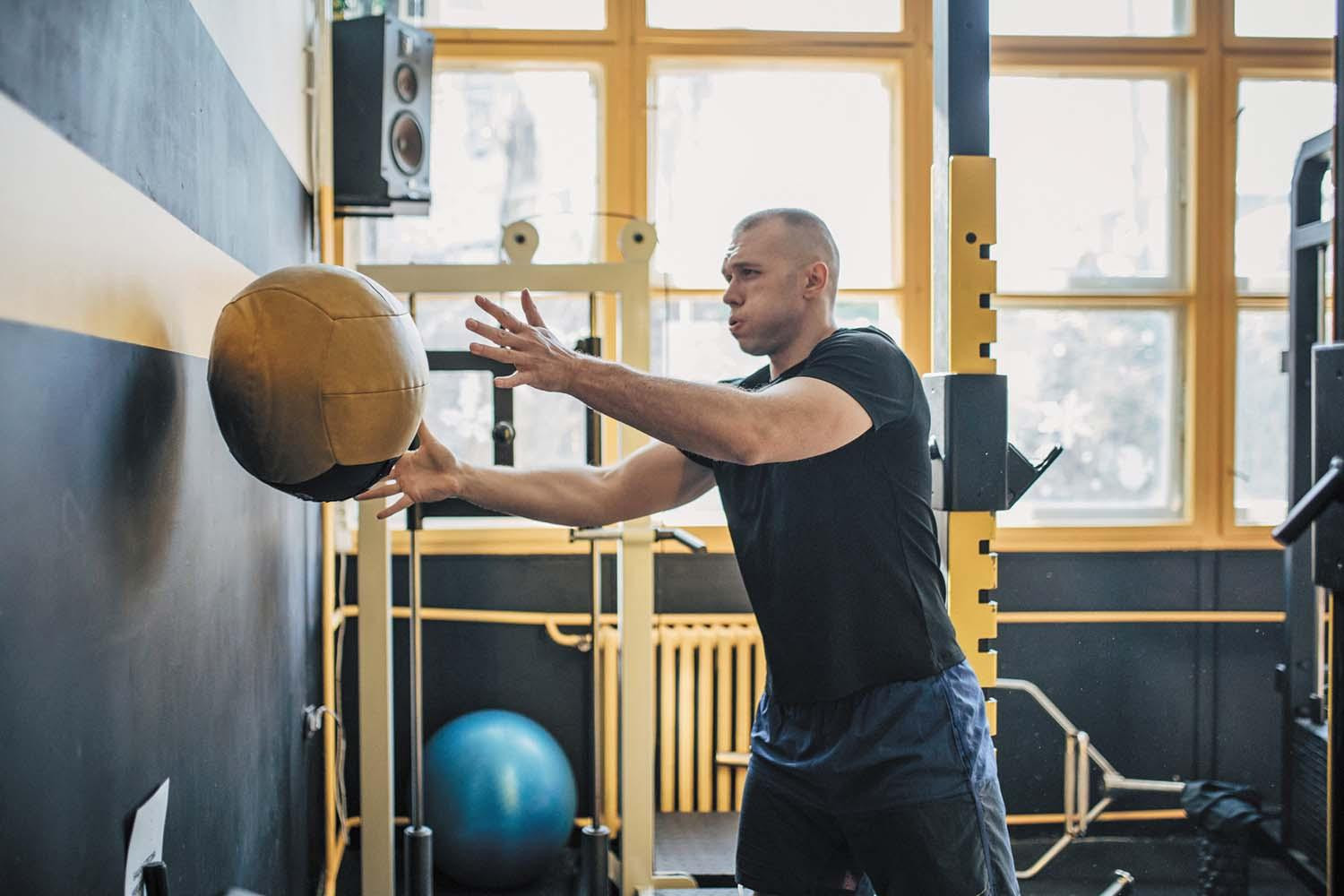
Power play
Power is the ability to generate a large amount of force in a short amount of time. It can help people to properly and safely execute many everyday movements, such as climbing stairs, lifting and carrying heavy objects, twisting, pulling, and throwing. Power also improves movement efficiency and reaction time, helping to prevent injuries from falls. Increasing overall muscle mass with regular strength training and doing plyometric exercises and explosive moves using a medicine ball can help build power.
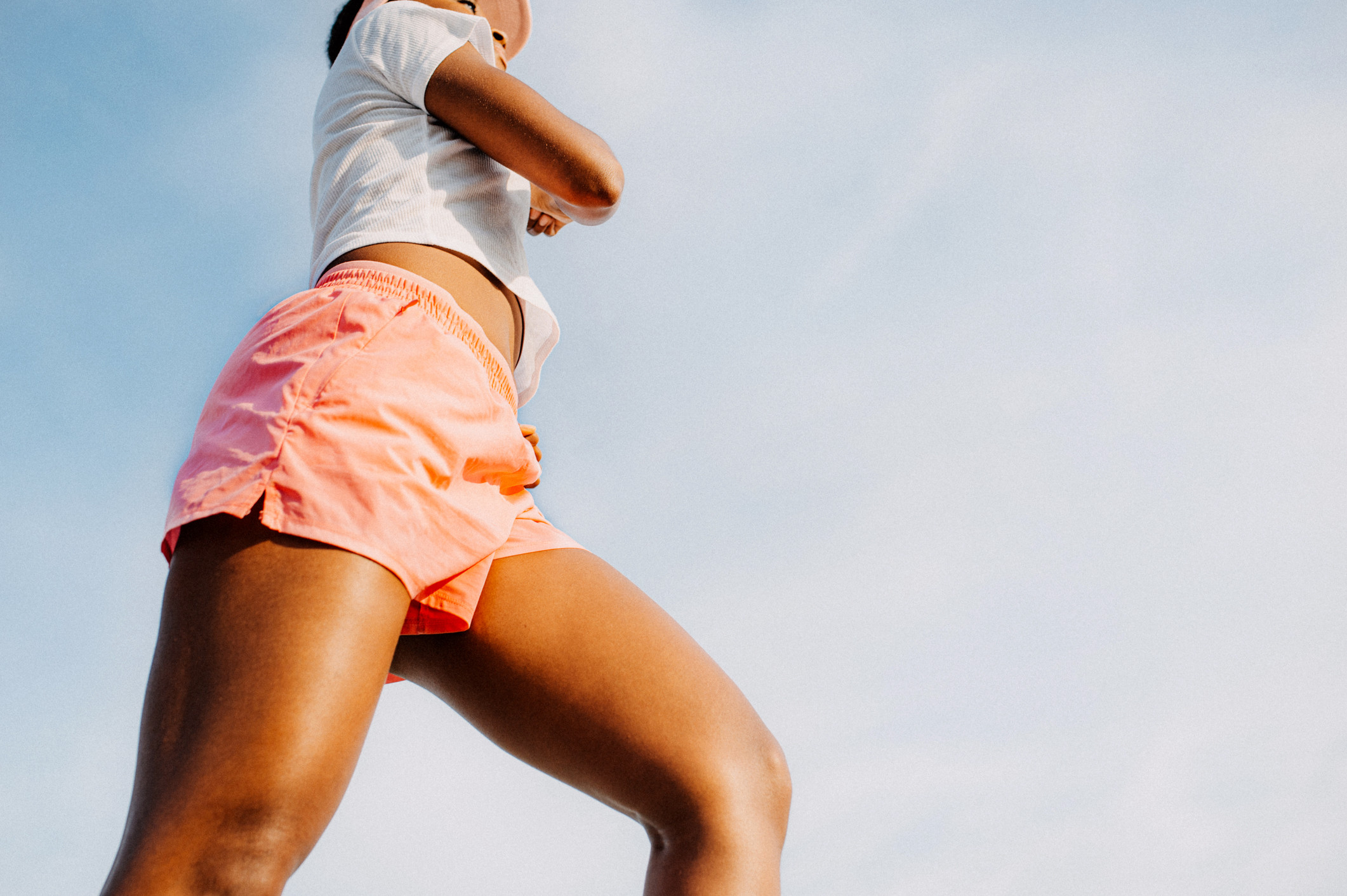
Try this: Warm-up for walking and running
A three-step routine of leg swings, hip circles, and foot rolls can help prepare muscles and joints for running and walking and reduce the risk of soreness.
Why do I feel more clumsy with age?
As people get older, they may get clumsier because of multiple factors such as declining hearing and vision, loss of muscle, balance issues, and chronic health conditions. Addressing these issues can help people avoid injury from falls and other accidents.
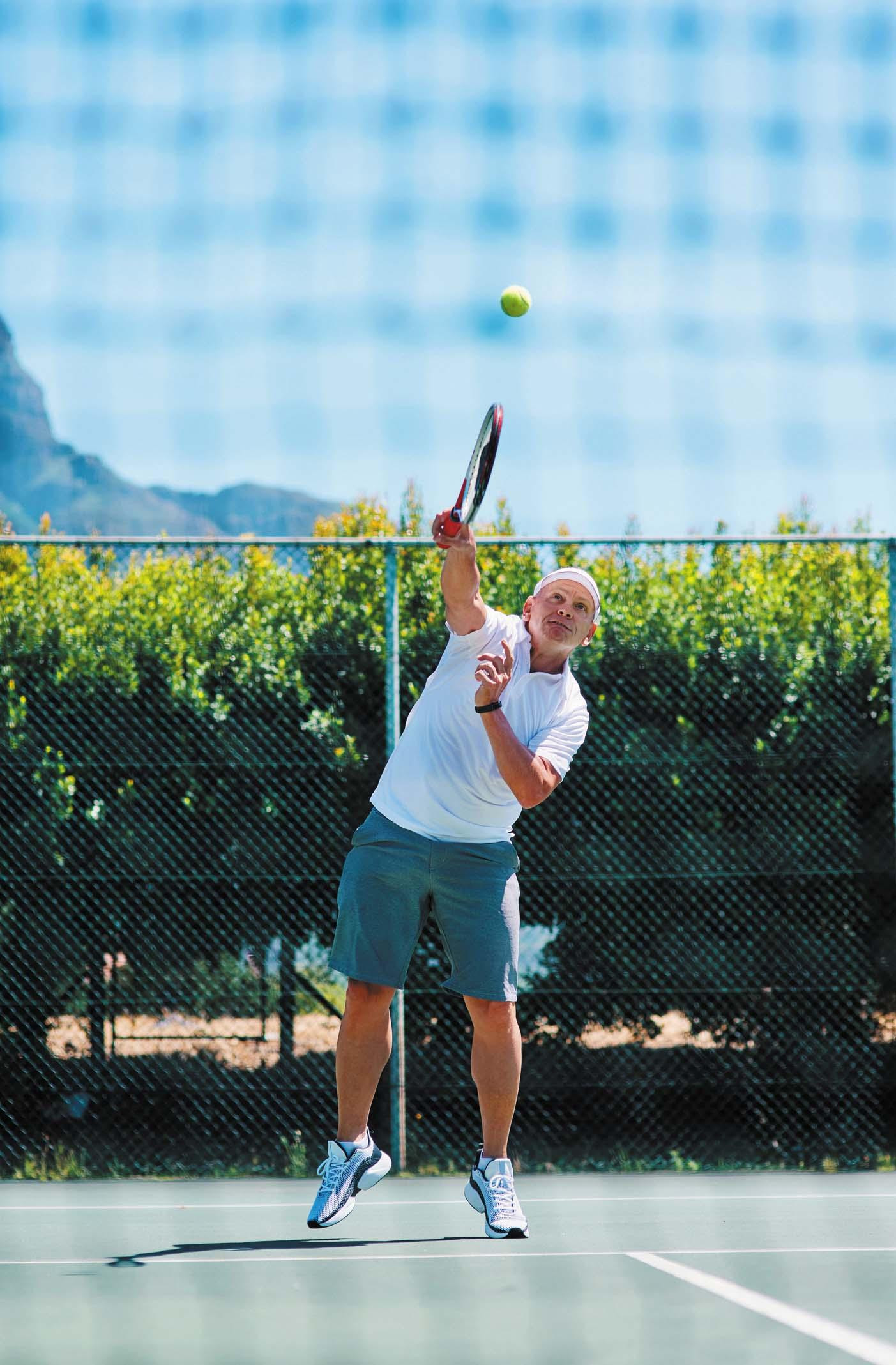
What to do if you get "tennis leg"
Tennis leg refers to a strained calf muscle, usually the gastrocnemius. A person can injure the muscle during activity when planting the foot down hard or suddenly changing direction. This might happen during sports, such as tennis, or even while walking or jogging. Mature athletes, who are prone to injury, are vulnerable to the injury. Treatment can involve resting, elevating, and icing the calf muscle; wearing a compression sock; taking painkillers; getting physical therapy; and having surgery.
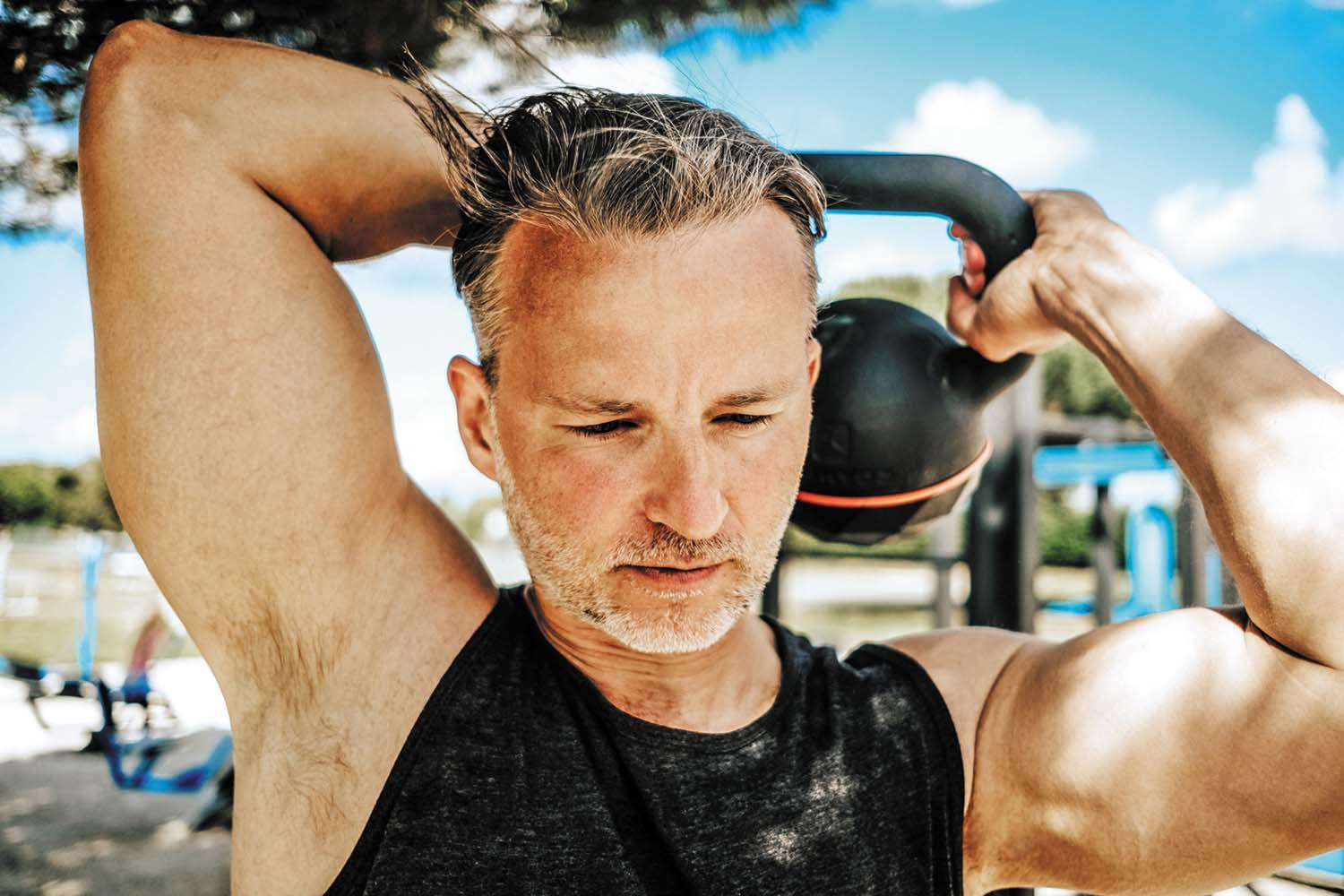
Coming full circle
Shoulder mobility is crucial for safely reaching overhead, carrying heavy items, and engaging in sports such as golf, tennis, and pickleball. Halos are one of the best exercises for improving shoulder mobility, flexibility, and strength. They can be performed with a kettlebell, a dumbbell, or even a heavy book. Halos are done by holding the weight with both hands and rotating it around the head in a circular motion, first in one direction and then the other, as if drawing a halo over the head.

What are the benefits of walking with a weighted vest?
Walking while wearing a weighted vest or backpack can help build muscle strength and bone density, improve the heart's pumping ability, expand lung capacity, and burn additional calories. People with neck or back pain should not wear a weighted vest.

Weight training may protect the brain from cognitive decline
A small 2025 study found that older adults who did six months of weight training improved their ability to recall recent events and information. They also had had less brain shrinkage in regions affected by Alzheimer's disease, compared with people who did not do the training.

Try this: Laughter yoga is nothing to joke about
Laughter yoga blends traditional yoga movements with laughter therapy to offer a playful approach to stress management. The group sessions consist of physical exercises and stretches, relaxation and breathing techniques, and forced smiling and vigorous laughter.

Exercise can reduce fall risk among older women taking multiple medications
A 2025 study suggested that a structured exercise plan can significantly reduce the risk of falls among older women who take multiple medications.

Is wooziness a serious warning sign?
Wooziness is often just a passing episode of lightheadedness. But it might signal something very serious, such as a stroke or heart attack. When wooziness occurs, one should sit or lie down for a few minutes, rest, and have a drink of water or juice. If wooziness eases, it's best to report the episode to your doctor. If lightheadedness hasn't improved or if it's accompanied by other symptoms, such as chest pain, trouble speaking, or weakness or numbness on one side of the body, call 911 immediately.
Microplastics: A hidden health threat?
Healing after food poisoning
What is tempeh? Benefits, nutrition, and how to use it
Light exposure at night may raise risk for heart disease
Whole grains may improve several heart risk factors at once
A lumbar belt may help ease low back pain
Children of centenarians may stay healthier and live longer too, study finds
Signs of pneumonia: Sometimes vague and unexpected
The surprising link between ovarian cancer and the fallopian tubes
Using a vibration plate: What it can — and can't — do for your body
Free Healthbeat Signup
Get the latest in health news delivered to your inbox!
Sign Up
