

Healing after food poisoning

What is tempeh? Benefits, nutrition, and how to use it

Light exposure at night may raise risk for heart disease

Whole grains may improve several heart risk factors at once

A lumbar belt may help ease low back pain

Children of centenarians may stay healthier and live longer too, study finds

Signs of pneumonia: Sometimes vague and unexpected

The surprising link between ovarian cancer and the fallopian tubes

Using a vibration plate: What it can — and can't — do for your body

People who walk more or walk faster live longer, study finds
Exercise and Fitness Archive
Articles
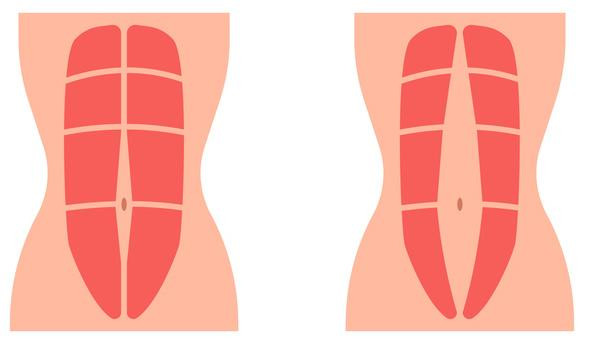
Battle of the bulge
Diastasis recti occurs when the rectus abdominis muscle - the "six-pack" - separates and leads to a midline abdominal bulge. This might happen because of pregnancy, aging, genetics, excessive abdominal pressure, or abdominal surgery. The bulge becomes more noticeable when lifting heavy objects, getting out of bed, or even performing everyday tasks. The condition usually doesn't resolve on its own. Working with a physical therapist can help decrease the muscle separation.

Surgery may have an edge over injections for carpal tunnel syndrome
A 2025 randomized trial of people with carpal tunnel syndrome found that 57% of those who had surgery as a first-line treatment recovered within 18 months, without additional treatments, compared with 13% of people who received steroid injections instead.
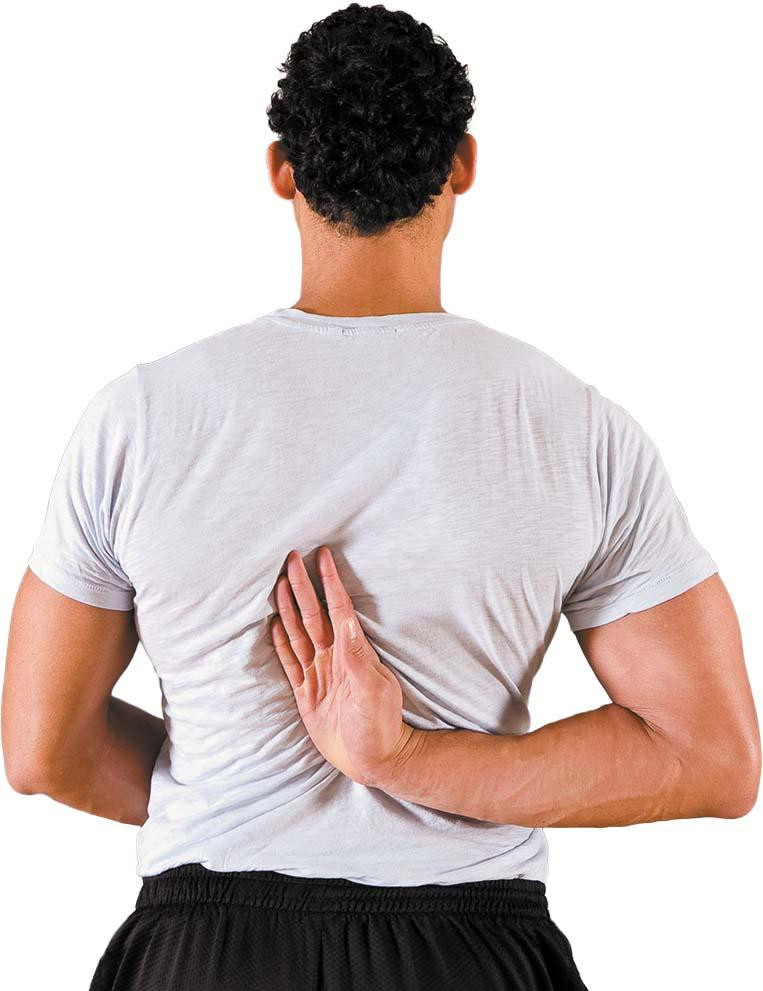
A quick shoulder workout you can do at home
Aging often leads to a loss of shoulder strength and motion, especially the ability to reach up and lift objects overhead. The best way to protect the shoulders is to stretch them daily and strengthen them every other day. Exercises can be done consecutively in a single workout or individually throughout the day. It's best to do a warm-up before engaging in any shoulder exercises. A warm-up can be as simple as marching in place for a few minutes while gently moving the arms up and down.
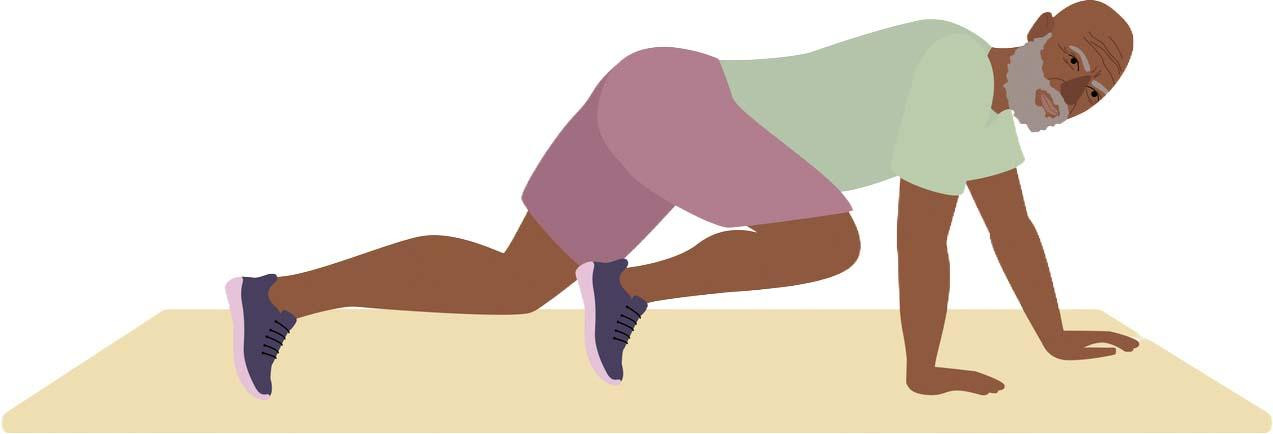
Try this: Bear crawl
The bear crawl is a body-weight exercise that consists of moving along the ground using only the hands and feet. The move is a fun way to strengthen core muscles and improve mobility, coordination, and balance.
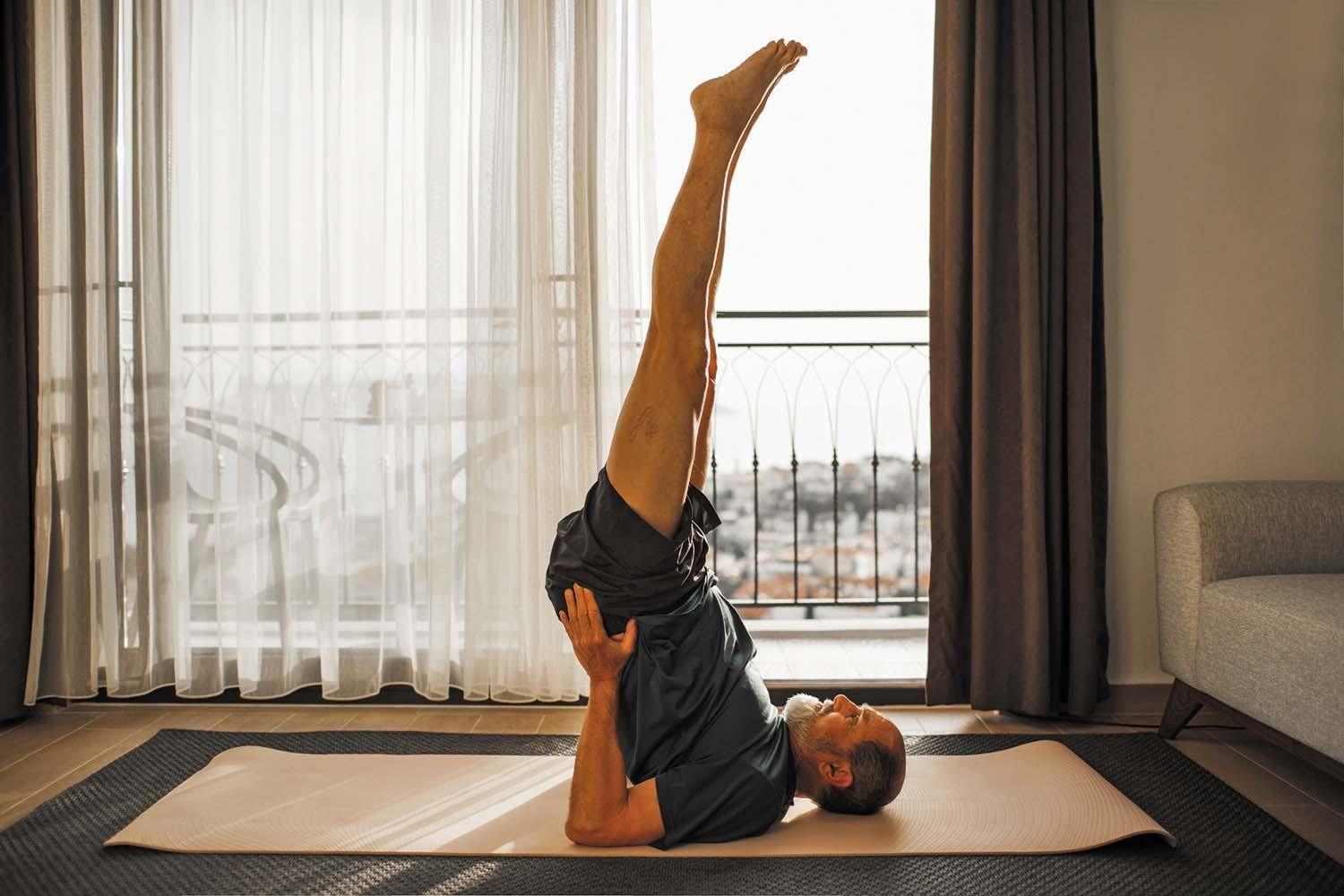
Yoga, tai chi, walking, and running may help with insomnia
Research suggests that exercise is beneficial in managing insomnia, but current guidelines don't specify which types may be most effective. A 2025 study found that yoga, tai chi, walking, and running were associated with reduced symptoms of insomnia.

What the sitting-rising test says about your health
The sitting-rising test gauges how easily people can rise to their feet from sitting on the floor, using as little support as possible. A 2025 study suggested the test may help predict someone's longevity. People who scored the lowest were nearly four times more likely to die of natural causes and six times more likely to die of cardiovascular causes than participants who scored a perfect 10 on the test. The movement requires strength, coordination, balance, and flexibility. These components of fitness tend to drop off more precipitously in women as we age.

A brief fitness test may predict how long you'll live
In a 2025 study, middle-aged and older people who could do the sit-to-rise test without support were less likely to die (especially of cardiovascular disease) within the following decade. The test is a good way to assess strength, flexibility, and balance-all of which are all vital for helping people to stay active and functioning well as they grow older.
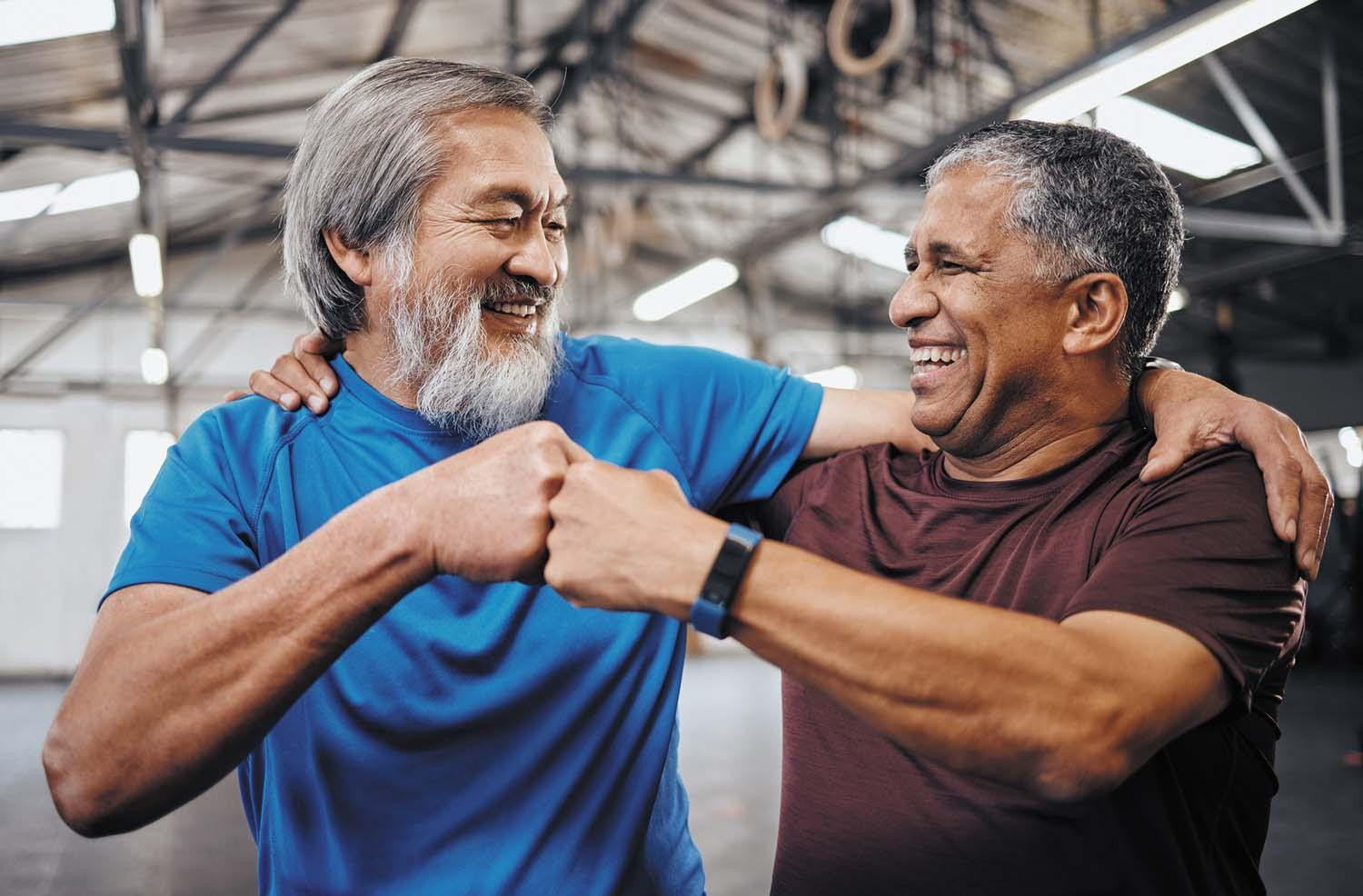
What can you do to maintain exercise motivation?
Approximately 50% of people who begin an exercise program quit within the first six months, according to some estimates. Declining motivation is usually the main reason, but there are ways that people can approach their fitness to help them stay focused and committed. These include recognizing the value of staying healthy, enlisting a workout buddy, adopting specific exercises to reach individual goals, matching workouts to their personality, and finding inspirational figures.

Is acetaminophen safe during pregnancy?
A statement from a group of doctors and scientists raised concerns around taking acetaminophen during pregnancy, but research backing this is based on observational studies and animal studies, so that no firm conclusions can be drawn from it. Here's what to consider if you're pregnant.
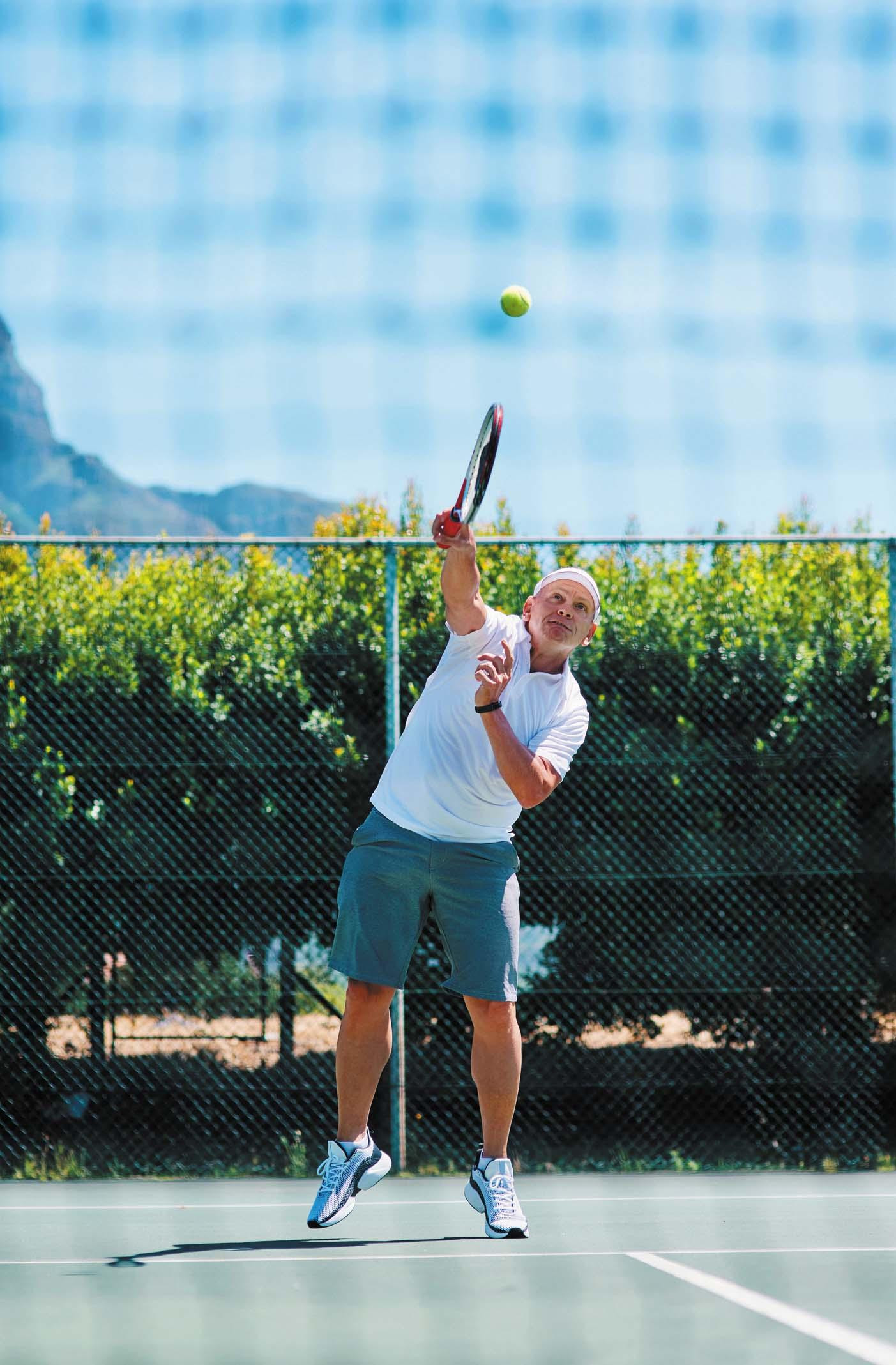
What to do if you get "tennis leg"
Tennis leg refers to a strained calf muscle, usually the gastrocnemius. A person can injure the muscle during activity when planting the foot down hard or suddenly changing direction. This might happen during sports, such as tennis, or even while walking or jogging. Mature athletes, who are prone to injury, are vulnerable to the injury. Treatment can involve resting, elevating, and icing the calf muscle; wearing a compression sock; taking painkillers; getting physical therapy; and having surgery.
Healing after food poisoning
What is tempeh? Benefits, nutrition, and how to use it
Light exposure at night may raise risk for heart disease
Whole grains may improve several heart risk factors at once
A lumbar belt may help ease low back pain
Children of centenarians may stay healthier and live longer too, study finds
Signs of pneumonia: Sometimes vague and unexpected
The surprising link between ovarian cancer and the fallopian tubes
Using a vibration plate: What it can — and can't — do for your body
People who walk more or walk faster live longer, study finds
Free Healthbeat Signup
Get the latest in health news delivered to your inbox!
Sign Up
