

Light exposure at night may raise risk for heart disease

Whole grains may improve several heart risk factors at once

A lumbar belt may help ease low back pain

Children of centenarians may stay healthier and live longer too, study finds

Signs of pneumonia: Sometimes vague and unexpected

The surprising link between ovarian cancer and the fallopian tubes

Using a vibration plate: What it can — and can't — do for your body

People who walk more or walk faster live longer, study finds

For sleep apnea, a dental device may be as effective as CPAP

Rosacea treatments: What works?
Exercise and Fitness Archive
Articles

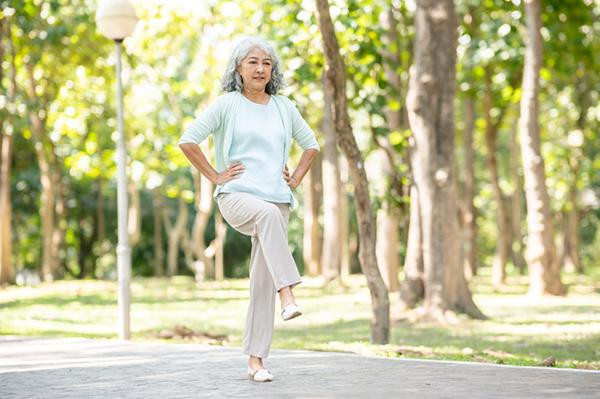
A measure of balance
People can evaluate their balance and fall risk at home by taking the four-stage balance test. More advanced tests like single-leg standing, heel-to-toe-walking, and timed up and go can also aid in assessing balance and coordination.

Modify your push-ups to meet your fitness level
The classic push-up is still celebrated for its no-equipment-needed simplicity. Using just your body weight, each rep strengthens the arms, shoulders, and chest, as well as the core, hips, and legs. Push-ups can be adjusted for almost any fitness level.
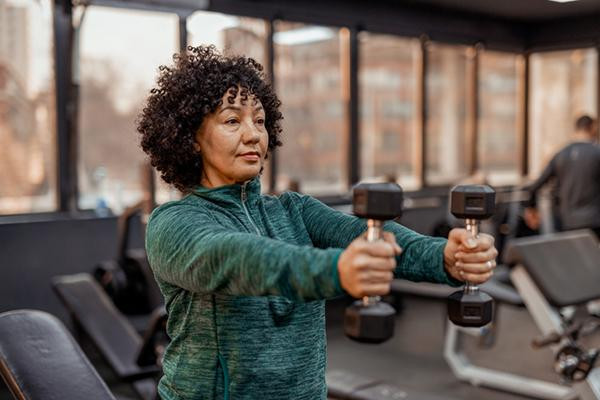
Trying to lose weight? Be careful not to lose muscle
People can prevent excessive muscle loss while losing weight by doing resistance training to build muscle, consuming enough protein, and slowing their weight-loss pace.
The power of wall balls
Wall ball exercises help increase strength, power, and endurance, and improve daily movements. They involve squatting while holding a large ball then rising explosively, throwing the ball high against a wall, catching it, and dropping back into a squat again.

Regular physical activity at midlife and beyond may help lower dementia risk
A 2025 study found that people with high amounts of daily activity at middle age and beyond reduced their risk of developing dementia compared with individuals who had the least daily activity during these life stages.

A small amount of weekly exercise may reduce depression symptoms in people with chronic illness
A 2025 analysis found that people with chronic illnesses, who are highly susceptible to depression and whose conditions often make activity difficult, may need a relatively small amount of weekly exercise to ease depression.
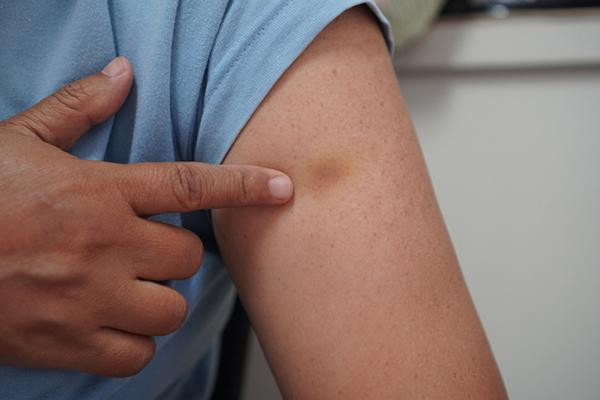
Why do I bruise so easily?
As we get older, noticeable bruises are usually related to thinning skin and increasing fragility of the tiny blood vessels in the outer layer of skin. There is not much people can do about this, but they should see their doctors if bruising is excessive or becomes painful.
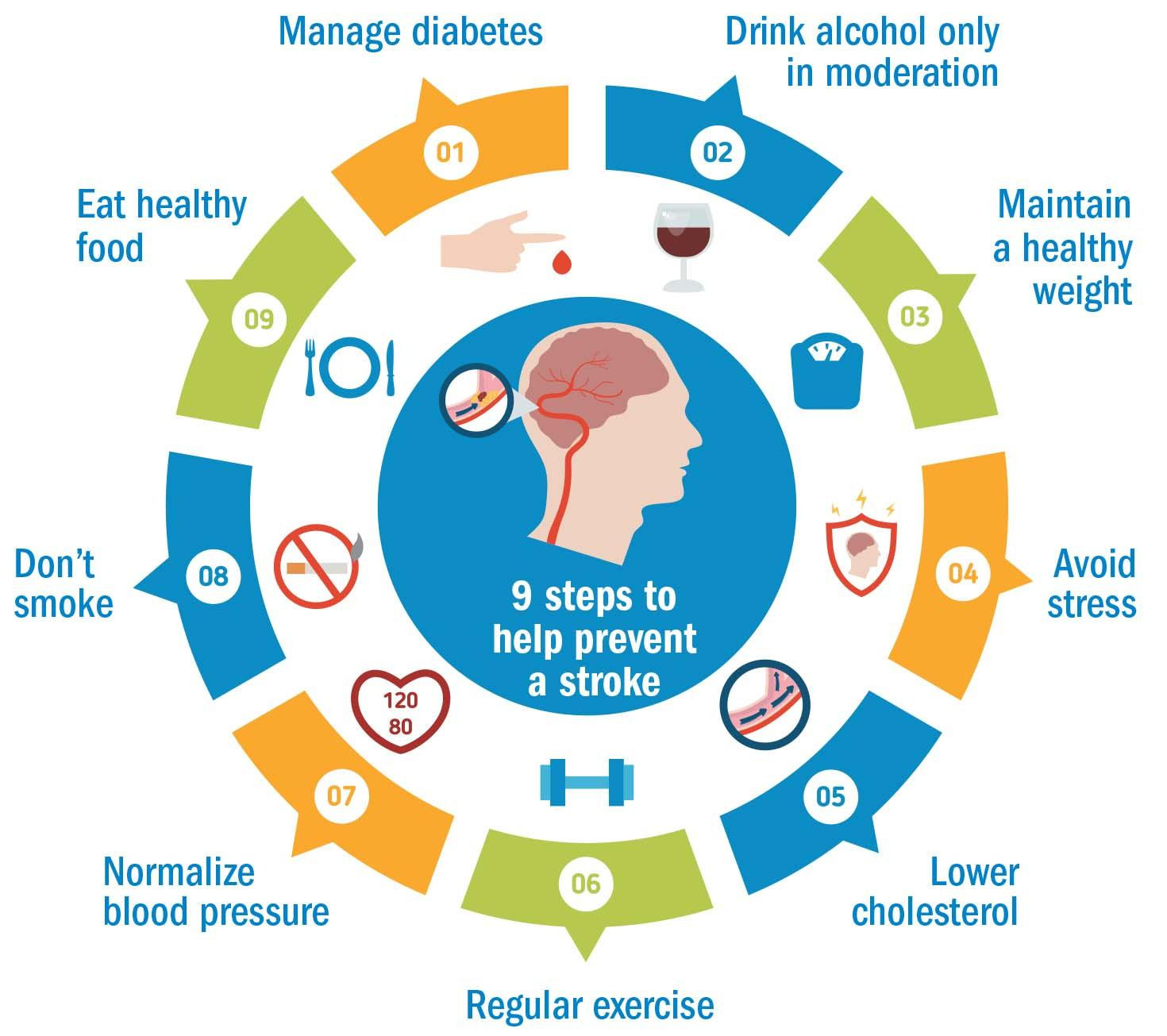
Reducing your stroke risk after a ministroke
A transient ischemic attack (TIA), or ministroke, is a serious warning sign for future stroke, especially in the first 48 hours. Medications plus lifestyle changes-healthy eating, regular exercise, and blood pressure control-can significantly lower that risk.
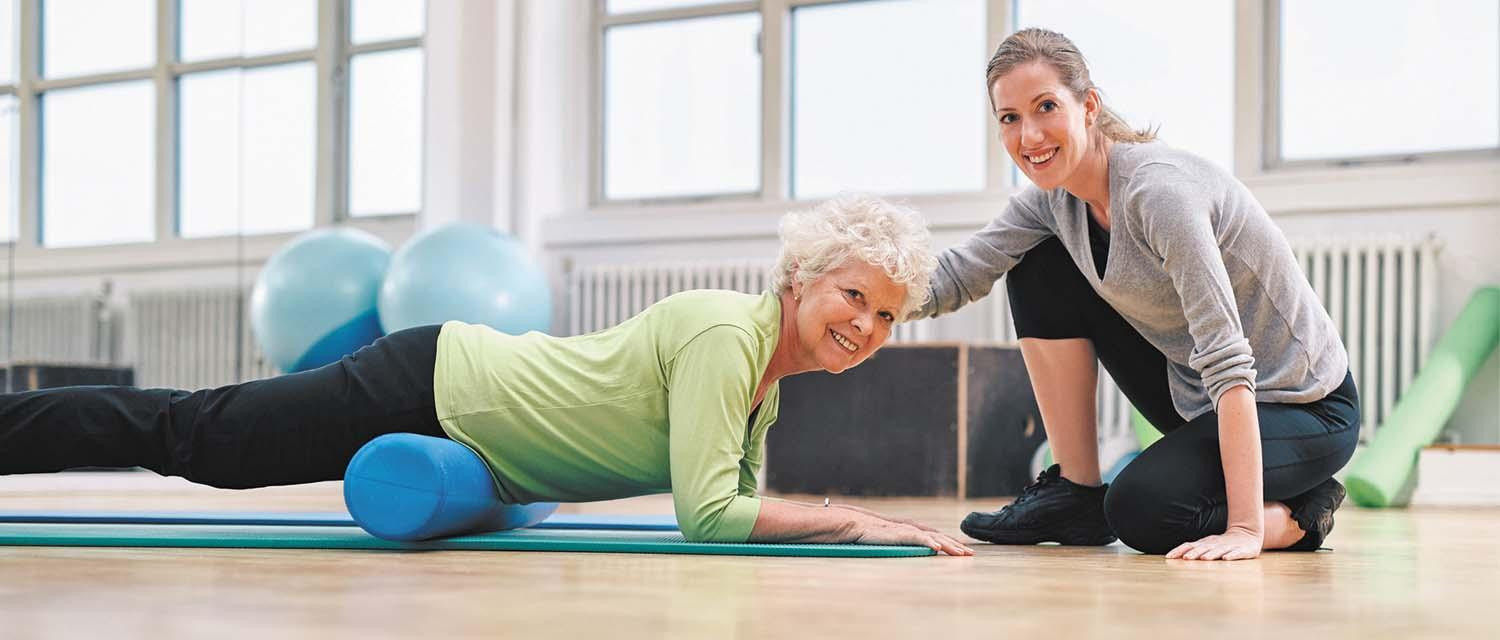
Foam rollers: Inexpensive tools with premium payoffs
A foam roller is a cylinder made of foam. When the tool is used properly, it can help reduce tension in muscles and other soft tissue. Foam rolling also helps increase flexibility, especially when used as a warm-up before exercise.
Light exposure at night may raise risk for heart disease
Whole grains may improve several heart risk factors at once
A lumbar belt may help ease low back pain
Children of centenarians may stay healthier and live longer too, study finds
Signs of pneumonia: Sometimes vague and unexpected
The surprising link between ovarian cancer and the fallopian tubes
Using a vibration plate: What it can — and can't — do for your body
People who walk more or walk faster live longer, study finds
For sleep apnea, a dental device may be as effective as CPAP
Rosacea treatments: What works?
Free Healthbeat Signup
Get the latest in health news delivered to your inbox!
Sign Up
