

Even a little exercise linked with lower stroke risk in people with afib

Testosterone therapy without evidence of deficiency may boost heart risk

Weight-loss drug may lower risk of heart attacks and infections

What to eat on the DASH diet

Migraine: How it's diagnosed and what that means

Tricep workouts you can do at home

Mindfulness practices to reduce stress and improve focus

Antihistamines may not offer meaningful relief from eczema symptoms

Overweight and taking blood pressure medications: Study finds it's a trend that's working

FDA approves first mRNA-based flu vaccine
Ear, nose, and throat Archive
Articles

What's the best self-fitting strategy for over-the-counter hearing aids?
A small randomized trial in 2024 found that both self-adjustment and in-situ audiometry were effective strategies to match self-fitting hearing aids to personal hearing needs. However, self-adjustment devices had the best satisfaction rates and consistent use.

Reconsider cognitive behavioral therapy for tinnitus
Cognitive behavioral therapy (CBT) helps redirect negative thoughts and emotions. It's often prescribed to help people cope with tinnitus (a phantom ringing in the ears). A 2024 study found that CBT is most likely to be beneficial when tinnitus symptoms are severe.

Ever hear of tonsil stones?
Tonsil stones are small white or yellow deposits on the tonsils. They develop when bacteria, saliva, food particles, and debris from cells lining the mouth get trapped in tiny indentations on the tonsils. While usually harmless, they can cause bad breath and sore throats.


Should you try these tools to clean your ears?
It's unnecessary to clean inside the ears unless someone has a blockage of earwax. Experts advise against using home earwax removal tools. Such tools include tiny cameras, scoopers, or vacuums that are placed into the ear. The safer, tried-and-true method of earwax removal involves placing a few drops of earwax lubricant (oil-based drops), water, or hydrogen peroxide in the affected ear, and then allowing it to dissolve the earwax and drain from the ear. If that doesn't work, a doctor can remove earwax.

The sore throat checklist: What parents need to know
Children get sore throats all the time - and most of the time they are nothing to worry about. But it is important for parents to know the common causes of sore throats, and to be aware that that certain instances are serious and should be seen by a doctor immediately.

Should you try a do-it-yourself hearing test?
Online hearing tests help detect if someone has hearing loss. The tests involve answering questions or listening to a series of tones or spoken words. The tests are not as comprehensive as tests conducted by an audiologist, but they are convenient and might help identify mild, moderate, or severe hearing loss; problems hearing particular pitch ranges; or differences in hearing ability in one ear compared to the other (asymmetry). A test might need to be followed up with a visit to an audiologist.

Aiming for sound design
Adjusting to new surroundings, such as a new or remodeled home, can affect people's hearing ability. Certain home features absorb sound, making it easier to hear. These include carpeting, paneling, curtains, and upholstered furniture. Other features allow sound to reverberate, making hearing more difficult. These include hardwood floors, cathedral ceilings, and minimalist decor. Hearing aids don't necessarily help, since they magnify all sounds.
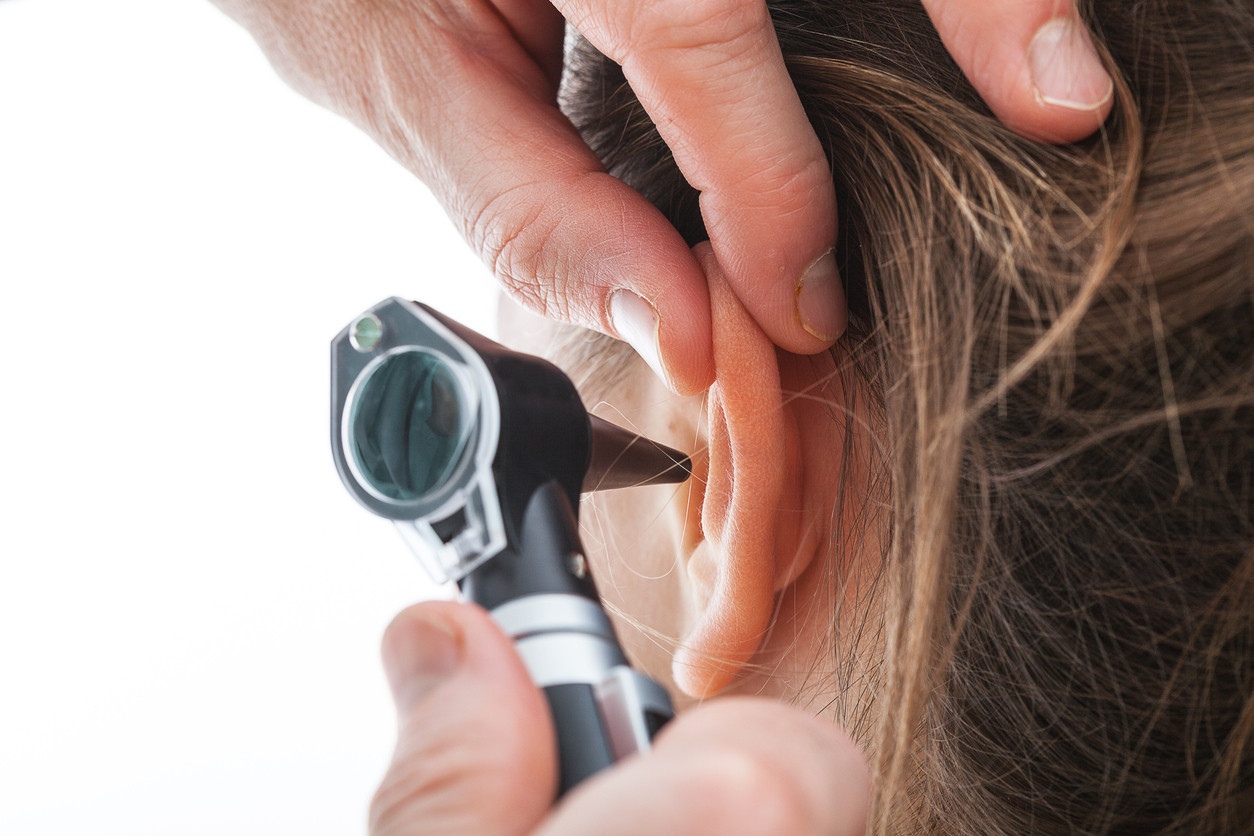
By the way, doctor: Plugged-up feeling in an ear
I have a plugged left ear problem. It usually starts about 4 p.m. and lasts about three to four hours. I cough, clear my throat, yawn, close my nostrils and blow - nothing seems to help.

Even a little exercise linked with lower stroke risk in people with afib
Testosterone therapy without evidence of deficiency may boost heart risk
Weight-loss drug may lower risk of heart attacks and infections
What to eat on the DASH diet
Migraine: How it's diagnosed and what that means
Tricep workouts you can do at home
Mindfulness practices to reduce stress and improve focus
Antihistamines may not offer meaningful relief from eczema symptoms
Overweight and taking blood pressure medications: Study finds it's a trend that's working
FDA approves first mRNA-based flu vaccine
Free Healthbeat Signup
Get the latest in health news delivered to your inbox!
Sign Up
