

Even a little exercise linked with lower stroke risk in people with afib

Testosterone therapy without evidence of deficiency may boost heart risk

Weight-loss drug may lower risk of heart attacks and infections

What to eat on the DASH diet

Migraine: How it's diagnosed and what that means

Tricep workouts you can do at home

Mindfulness practices to reduce stress and improve focus

Antihistamines may not offer meaningful relief from eczema symptoms

Overweight and taking blood pressure medications: Study finds it's a trend that's working

FDA approves first mRNA-based flu vaccine
Ear, nose, and throat Archive
Articles

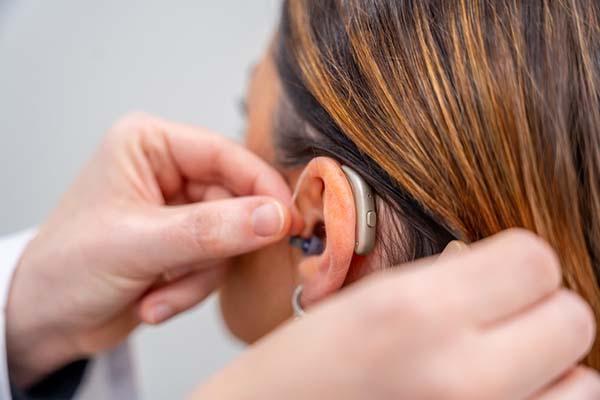
People with diabetes face higher risk of hearing loss
A 2025 analysis found hearing loss in 41% to 72% of people with diabetes, which was, on average, more than four times as often as in people without diabetes. People whose diabetes was less well controlled had greater hearing loss. Diabetes lasting 10 years or more doubled the risk.
Ototoxic drugs: Medications that may harm hearing
The term ototoxicity describes inner ear damage from drugs that can cause tinnitus (ringing in the ears), and affect hearing and sometimes balance. Medications more likely to cause ototoxicity include aspirin; the antibiotics azithromycin and clarithromycin; certain chemotherapy drugs; loop diuretics such as furosemide (Lasix); and some biologics. These drugs can damage hearing by injuring hairlike projections in the inner ear. People taking ototoxic drugs should get their hearing tested before, during, and after using the drug.

Tips to cope when hearing hurts
Hyperacusis describes sensitivity to some or all sounds, no matter the volume. Depending on the person, sounds might be uncomfortably loud; cause pain in the ear, head, or another part of the body; trigger negative emotional responses; or make someone dizzy. These reactions might be due to irritated or overactive nerve fibers or muscles in the ear. While doctors have few treatments for hyperacusis, certain strategies help, such as avoiding sound triggers, wearing hearing protection, and engaging in sound therapy.

Is there finally a way to measure tinnitus?
Havard researchers have identified biomarkers that appear to capture tinnitus severity for the first time. Scientists made the connection after analyzing the facial responses and pupil dilation of study participants as they listened to pleasant, neutral, or unpleasant sounds. The findings, when fed to a computer model, accurately predicted the severity of symptoms participants had reported on questionnaires. Scientists hope the biomarkers will lead to tools that gauge tinnitus severity and treatment effectiveness.
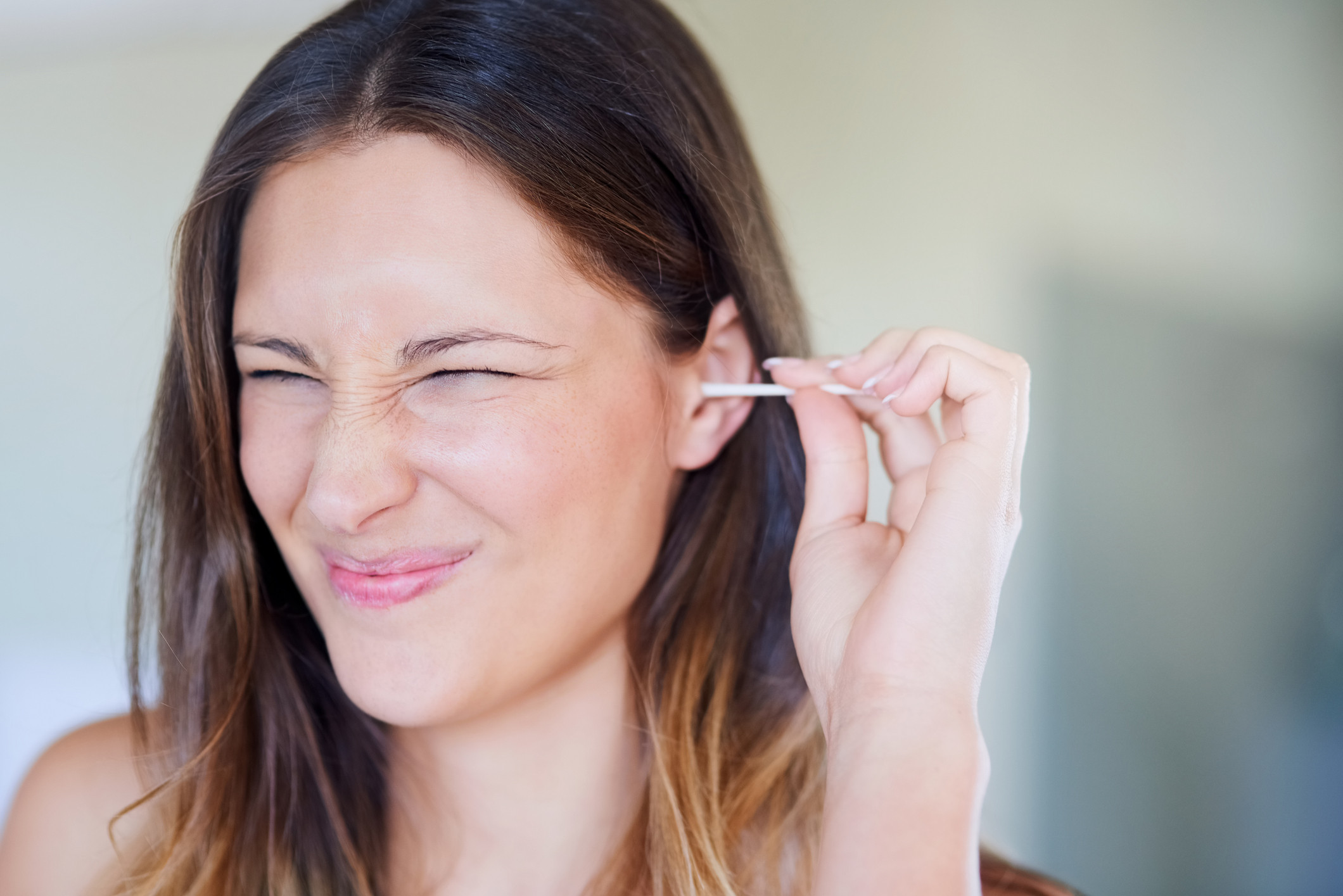
Do I need to clean my ears?
Earwax should be removed only if it causes problems with hearing, ringing in the ears, or an earache. To unblock the wax, people can use an over-the-counter ear-cleaning treatment to flush it out. If this is not successful, see your doctor.

When are nosebleeds a problem?
Nosebleeds are common, and dry air is the most prevalent cause. Other triggers include allergies, blood-thinning medications, or a deviated septum. People with frequent, heavy nosebleeds may need evaluation for a more serious underlying condition.

Why do I choke on my saliva?
People may choke on their own saliva when talking quickly, laughing, or turning their head. Other causes include postnasal drip or dry mouth, which medications may trigger. Certain health conditions can also affect swallowing.


What's the best self-fitting strategy for over-the-counter hearing aids?
A small randomized trial in 2024 found that both self-adjustment and in-situ audiometry were effective strategies to match self-fitting hearing aids to personal hearing needs. However, self-adjustment devices had the best satisfaction rates and consistent use.
Even a little exercise linked with lower stroke risk in people with afib
Testosterone therapy without evidence of deficiency may boost heart risk
Weight-loss drug may lower risk of heart attacks and infections
What to eat on the DASH diet
Migraine: How it's diagnosed and what that means
Tricep workouts you can do at home
Mindfulness practices to reduce stress and improve focus
Antihistamines may not offer meaningful relief from eczema symptoms
Overweight and taking blood pressure medications: Study finds it's a trend that's working
FDA approves first mRNA-based flu vaccine
Free Healthbeat Signup
Get the latest in health news delivered to your inbox!
Sign Up
