

CoQ10: Should you take this popular supplement if you're on a statin?

Microplastics: A hidden health threat?

Oat vs. dairy milk: Nutrition, benefits, and downsides

What is tempeh? Benefits, nutrition, and how to use it

Healing after food poisoning

Children of centenarians may stay healthier and live longer too, study finds

Light exposure at night may raise risk for heart disease

Whole grains may improve several heart risk factors at once

A lumbar belt may help ease low back pain

Signs of pneumonia: Sometimes vague and unexpected
Contraception and birth control Archive
Articles
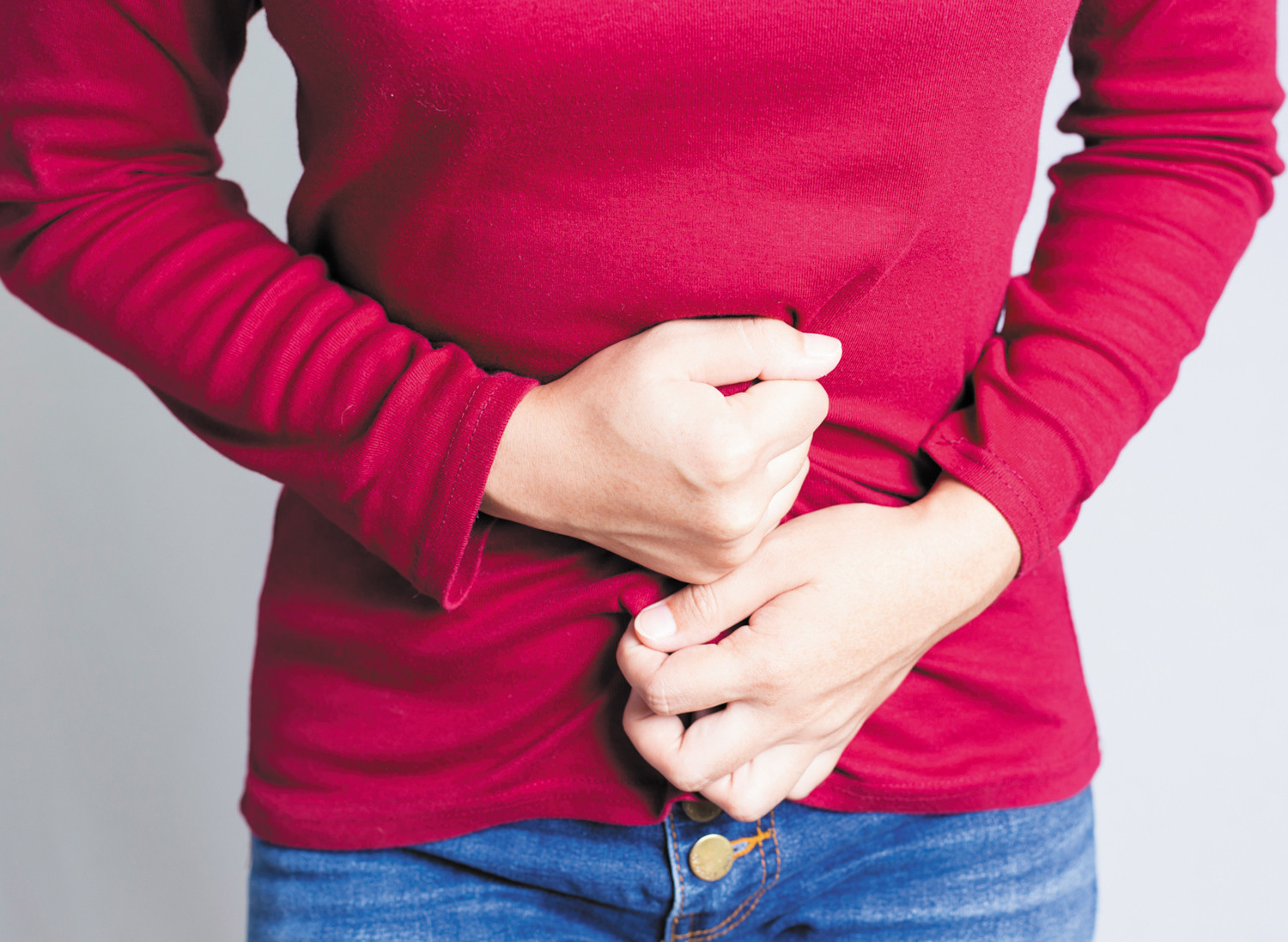
What you should know about fibroids
These uterine tumors, though usually benign, can cause heavy bleeding, cramps, and pregnancy complications. But there are several good options for treatment.
Fibroids—smooth muscle tumors of the uterus—are common, affecting as many as 75% of women. They are rarely cancerous, and they cause symptoms in only about 20% of the women who have them. However, if you're one of those with symptoms like heavy menstrual bleeding, bad cramps, pelvic pressure, constipation, or frequent urination, you know how fibroids can disrupt your life. Even if they don't cause symptoms, they may grow into the uterine cavity, potentially complicating a pregnancy and raising the risk of miscarriage.
"Managing uterine fibroids depends on several factors, such as a woman's symptoms, whether or not she wants to have children, her age, and her personal preferences," says Dr. Hye-Chun Hur, director of the Division of Minimally Invasive Gynecologic Surgery at Harvard-affiliated Beth Israel Deaconess Medical Center and associate medical editor of Harvard Women's Health Watch.

2 points to ponder if you're considering compounded hormones
There is no evidence that so-called "bioidentical" alternatives to prescription hormones are either safe or effective.
Over the past couple of years, science has validated what many women already know: hot flashes and other symptoms of menopause can persist long after menstrual periods stop. It's also well established that estrogen—alone or combined with a progestin—is the most reliable treatment for menopausal symptoms and that, for most postmenopausal women, it is safe to take these hormones for up to five years at doses that relieve hot flashes.
But in 2002 the Women's Health Initiative reported that Prempro—an FDA-approved preparation combining synthetic estrogens with a progestin—increased the risk of cardiovascular disease and breast cancer. Since then, women have shied away from pharmaceutical companies' hormones. A third of women who use hormones for relief of menopausal symptoms are now choosing custom-mixed preparations from compounding pharmacies, according to research sponsored by the North American Menopause Society (NAMS). Women surveyed by NAMS commonly said they believed "natural" or "bioidentical" hormones from compounding pharmacies to be safer than the available FDA-approved hormones.


New depression screening guidelines outline very helpful, yet achievable goals
The U.S. Preventive Services Task Force recently updated their guidelines on screening for depression. This time around, they recommended widespread screening through primary care practices, plus gave special attention to women who are pregnant or recently gave birth. These matter-of-fact, achievable guidelines and goals have the potential to reap enormous health benefits.
Is ultrasound an alternative for breast cancer screening?
Ask the doctor
Q. In your discussions of breast cancer screening, you never mention ultrasound. Is it an alternative to mammography?
A. No. Although the FDA has approved an automated breast ultrasound system to be used in addition to mammography for asymptomatic women with dense breasts, there are not enough published data about its effectiveness in screening to support its use. Moreover, ultrasound alone is not an alternative to mammography for routine breast cancer screening because ultrasound cannot pick up the small deposits of calcium (microcalcifications) that can be a sign of breast cancer.

How can I help my daughter deal with her miscarriage?
Ask the doctor
Q. My daughter had a miscarriage a few months ago and since then she has been depressed and withdrawn. Do you know anything I can do to help?
A. Miscarriage can involve a difficult emotional recovery, and many women and their partners are surprised at the intensity of their feelings. Many women who have experienced a miscarriage feel that they have done something wrong. They may worry that the miscarriage resulted from stress or lifestyle choices they made during pregnancy. In fact, most miscarriages are the result of chromosomal abnormalities, structural abnormalities of the uterus, or maternal endocrine or autoimmune disorders.
Some prostate cancer treatments increase heart attack risk
In the journals
If you have suffered a heart attack and plan to undergo prostate cancer treatment, you may want to weigh the risks and benefits of androgen deprivation therapy (ADT). ADT decreases the amount of androgens in the body, which prostate cancer needs to grow and survive. It is also often used along with radiation therapy, and the combination has been shown to prolong survival in men with unfavorable-risk prostate cancer—defined as cancer with two or more high-risk factors, like a PSA level between 10 and 40 ng/mL, a Gleason score of 7 or higher, or biopsies with 50% or higher cancerous cells.
But a study in The Journal of the American Medical Association suggests that men who had a prior heart attack can increase their risk of a fatal one if they undergo both radiation therapy and ADT. Researchers compared overall survival and death from prostate cancer, fatal heart attack, and other causes in a group of 206 men with unfavorable-risk prostate cancer. The men received either radiation alone, or radiation and six months of ADT. The researchers also categorized the men into subgroups based on other health conditions, including heart disease.

Where is best for birth: Hospital or home?
By the mid-20th century, most births took place in the hospital. But increasingly, some women are choosing to have their babies at home in an effort to avoid seemingly unnecessary interventions and find an alternative to hospital environments. We don’t have the best data to assess the safety of home birth. But a recent analysis offers insights that can help women make choices based on what they value the most.

Has the new sexual desire drug panned out?
Image: iStock
Flibanserin is the first treatment of its kind. But it comes with a steep price tag and severe health risks.
It's now six months since the FDA approved flibanserin (Addyi), which is the first medication for sexual desire disorders. The drug was hailed as a "female Viagra," but is it living up to the hype? "It's not the solution we were hoping for," says Dr. Hope Ricciotti, editor in chief of Harvard Women's Health Watch and an associate professor of obstetrics, gynecology, and reproductive biology at Harvard Medical School.
CoQ10: Should you take this popular supplement if you're on a statin?
Microplastics: A hidden health threat?
Oat vs. dairy milk: Nutrition, benefits, and downsides
What is tempeh? Benefits, nutrition, and how to use it
Healing after food poisoning
Children of centenarians may stay healthier and live longer too, study finds
Light exposure at night may raise risk for heart disease
Whole grains may improve several heart risk factors at once
A lumbar belt may help ease low back pain
Signs of pneumonia: Sometimes vague and unexpected
Free Healthbeat Signup
Get the latest in health news delivered to your inbox!
Sign Up
