

CoQ10: Should you take this popular supplement if you're on a statin?

Microplastics: A hidden health threat?

Oat vs. dairy milk: Nutrition, benefits, and downsides

What is tempeh? Benefits, nutrition, and how to use it

Healing after food poisoning

Children of centenarians may stay healthier and live longer too, study finds

Light exposure at night may raise risk for heart disease

Whole grains may improve several heart risk factors at once

A lumbar belt may help ease low back pain

Signs of pneumonia: Sometimes vague and unexpected
Contraception and birth control Archive
Articles

C-section rates: Consider this when deciding where to have your baby
For years, there has been concern about the high rate of cesarean births — but just how many cesareans are too many? A recent study suggests that a cesarean rate of 19% is about right. The reasons for high cesarean rates may be related more to each hospital’s circumstances and processes than to other, more commonly cited reasons. If you’re concerned, find out the C-section rate at the hospital where you plan to deliver your baby.



BPH drugs linked to small risk of falls
In the Journals
Alpha blockers, a type of medication that many men take for urinary difficulties caused by an overgrown prostate, are associated with a dangerous but very small risk of falling, according to a recent study in BMJ. This should reassure men who have heard that the drugs could cause dizziness from a sudden drop in blood pressure.
The Canadian study identified more than 147,000 men in Ontario prescribed one of three drugs: alfuzosin (Uroxatral), silodosin (Rapaflo), and tamsulosin (Flomax). Most of the men (84%) took Flomax, although all three drugs work the same way.

What do the new mammography guidelines mean for you?
Image: Bigstock
Women can devise their own breast cancer screening schedules based on their risk and preferences.
If you tend to "go by the book" for preventive health care, you probably get a flu shot each fall, have a colonoscopy every 10 years, and generally follow the experts' recommendations. But what do you do about mammograms? For decades, the two most influential expert groups—the American Cancer Society (ACS) and the U.S. Preventive Services Task Force (USPSTF)—haven't agreed about when to start having mammograms, how often to have them, or how long to keep on having them. Although the two groups come a little closer together with their most recent guidelines, they still disagree about breast cancer screening for women ages 45 through 54.
Should I worry about a heavy vaginal discharge?
Ask the Doctor
Q. I'm concerned about the heavy vaginal discharge I have been having lately. Could this be a sign of an infection?
A. Vaginal discharge is natural, and an increase may reflect normal changes in your body. However, it frequently raises concerns and is a common reason women decide to see a gynecologist.
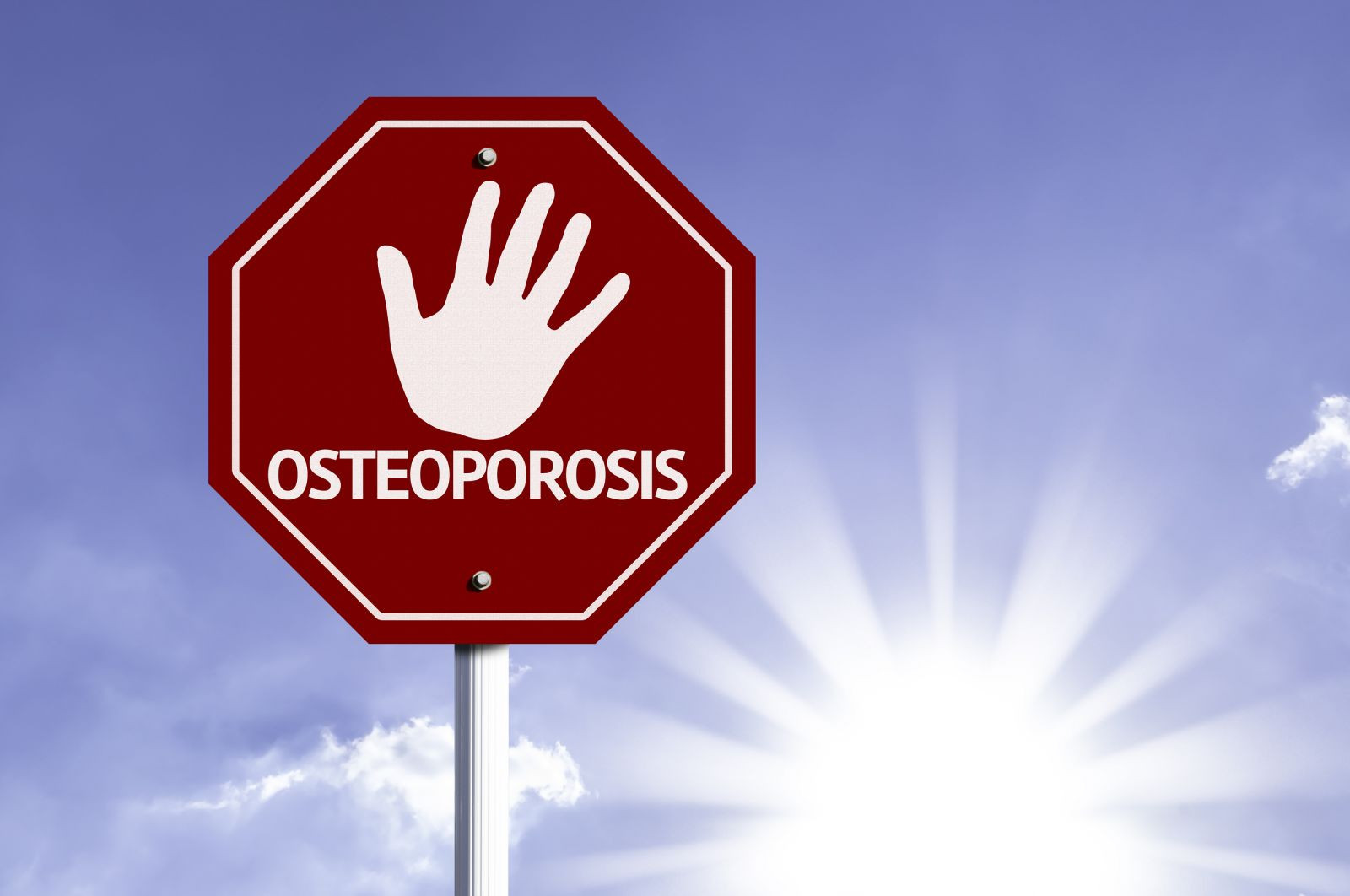
Do you need a drug for osteoporosis?
Image: Bigstock
Several medications can maintain or increase bone density. You can choose one based on your health and preferences.
Most of what we read about hip fracture isn't good. It is a major cause of disability, nursing home admissions, and death in older women. But there is a promising trend: hip fractures in the United States have been on the decline since 1996. Although better nutrition, increased physical activity, and education on fall prevention may have played a role, the drop in fractures has also coincided with the widespread availability of bisphosphonates—a class of drugs first approved in 1995 to increase bone density.
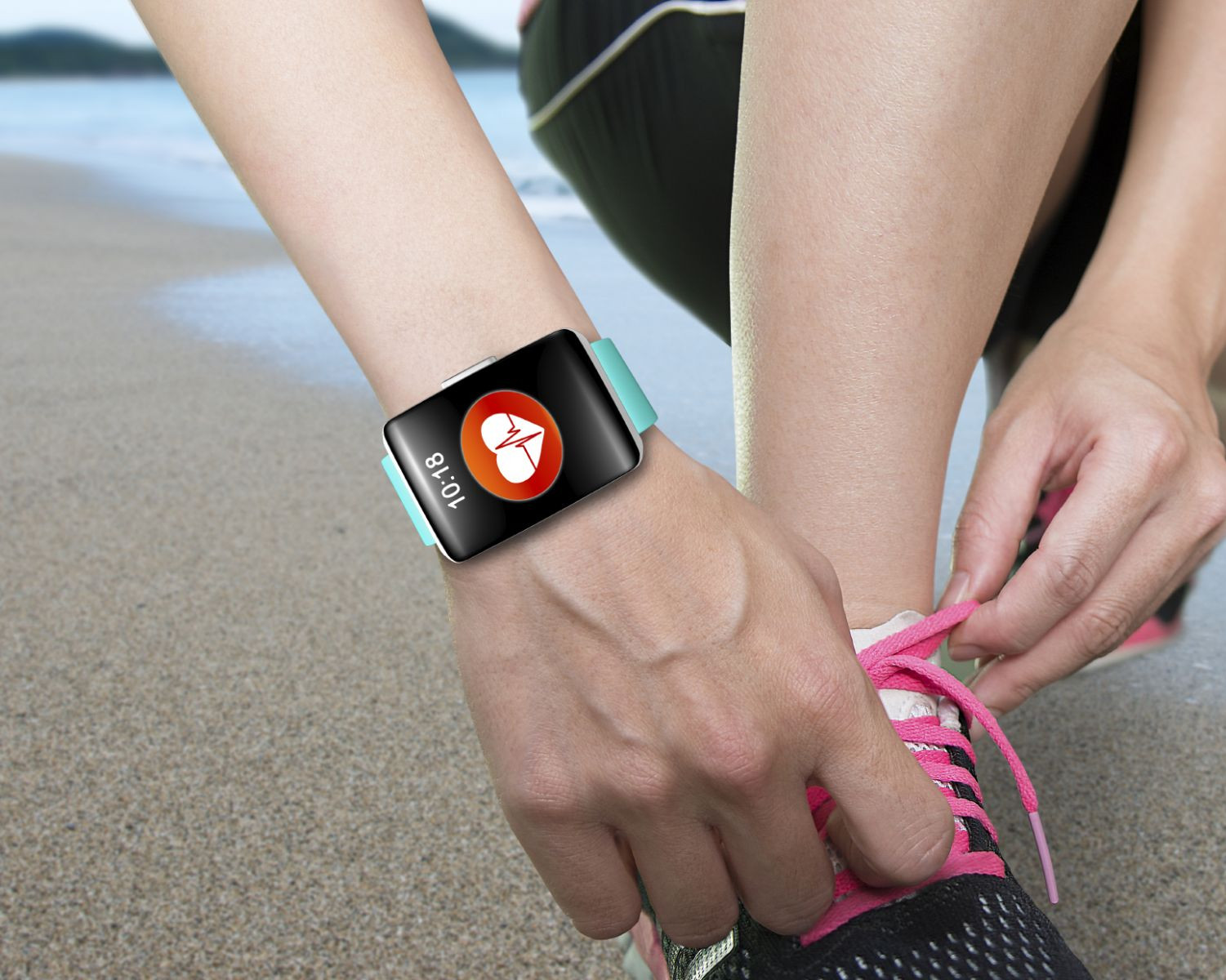
How fitness trackers can improve your health
Image: iStock
The wearable electronic devices may motivate you to stick to a diet or exercise plan.
If you've resolved to get more exercise, lose weight, or get more sleep in 2016, then a host of wearable electronic devices and apps are available to help you succeed. They will gently prod you to work toward your goal, encourage you along the way, and praise you when you get there. The gadgets record your activity, while the apps interpret the results and send you frequent messages to let you know how well you're progressing.
Study suggests scant increased risk of breast cancer from alcohol intake
Research we're watching
A study published Oct. 15, 2015, in the International Journal of Cancer adds to evidence that the risk of breast cancer increases—but not very much—with every drink a woman takes. Researchers from five Spanish universities followed 334,850 women, ages 35 to 70, from 10 European countries. During an 11-year period, 11,576 were diagnosed with breast cancer.
When the researchers compared alcohol intake among women who developed breast cancer and those who didn't, they found women who averaged two drinks a day had a 4% higher risk than those who limited their consumption to one daily drink. Those who averaged three drinks a day had a 6% higher breast cancer risk.
CoQ10: Should you take this popular supplement if you're on a statin?
Microplastics: A hidden health threat?
Oat vs. dairy milk: Nutrition, benefits, and downsides
What is tempeh? Benefits, nutrition, and how to use it
Healing after food poisoning
Children of centenarians may stay healthier and live longer too, study finds
Light exposure at night may raise risk for heart disease
Whole grains may improve several heart risk factors at once
A lumbar belt may help ease low back pain
Signs of pneumonia: Sometimes vague and unexpected
Free Healthbeat Signup
Get the latest in health news delivered to your inbox!
Sign Up
