

CoQ10: Should you take this popular supplement if you're on a statin?

Microplastics: A hidden health threat?

Oat vs. dairy milk: Nutrition, benefits, and downsides

What is tempeh? Benefits, nutrition, and how to use it

Healing after food poisoning

Children of centenarians may stay healthier and live longer too, study finds

Light exposure at night may raise risk for heart disease

Whole grains may improve several heart risk factors at once

A lumbar belt may help ease low back pain

Signs of pneumonia: Sometimes vague and unexpected
Contraception and birth control Archive
Articles
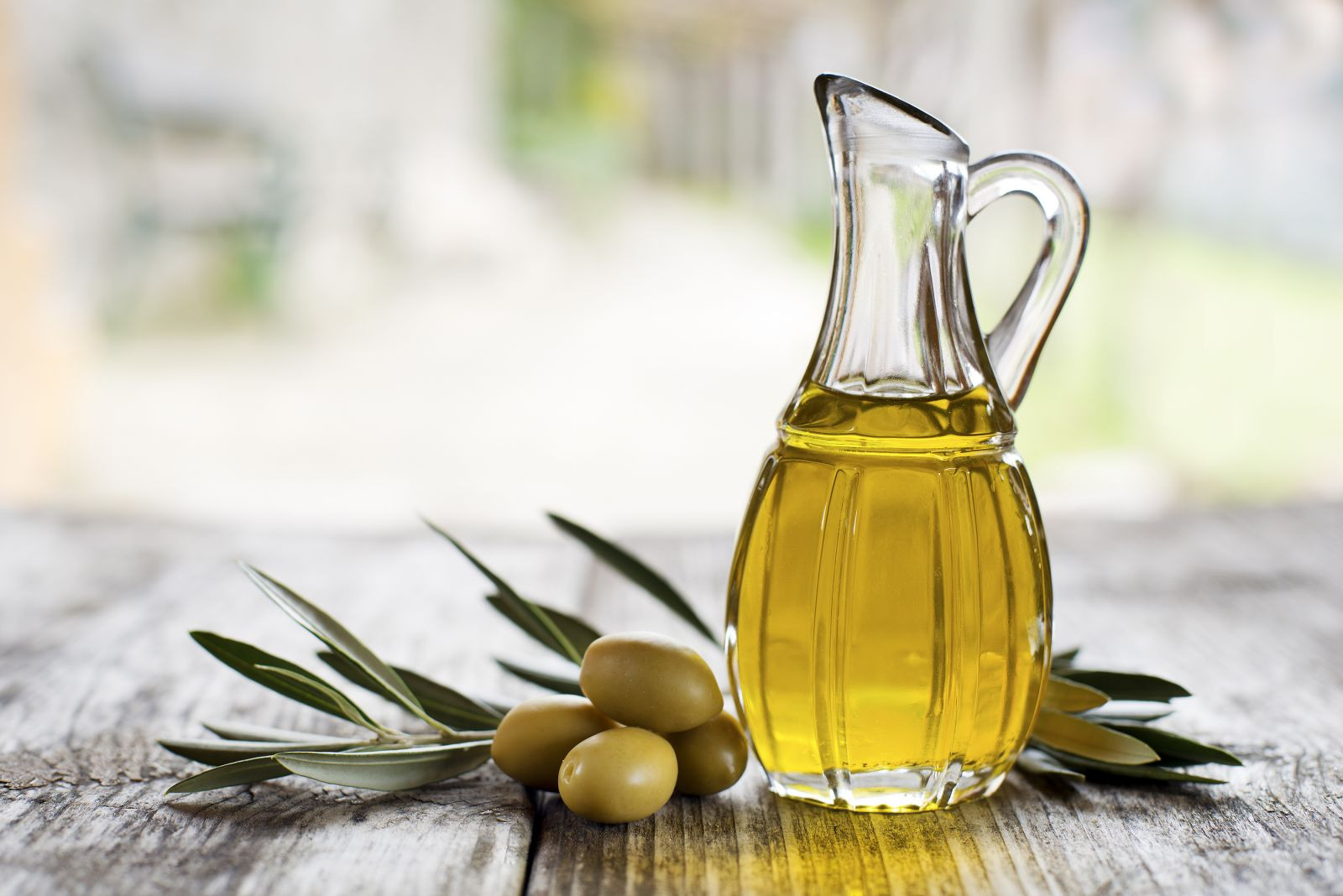
High olive oil consumption linked to lower breast cancer risk
Image: Bigstock
Research we're watching
A preliminary study published Sept. 14, 2015, in JAMA Internal Medicine reported that older women in Spain who ate a traditional Mediterranean diet enhanced with extra-virgin olive oil were less likely to be diagnosed with breast cancer. The study was part of a large Spanish clinical trial, Prevención con Dieta Mediterránea (PREDIMED).
PREDIMED looked at three different groups of women. One followed the Mediterranean diet plus extra servings of olive oil. A second followed the diet plus extra servings of nuts. Those in the third group were ad-vised to reduce their fat intake. The study followed about 4,300 women ages 60 to 80 for five years.

Survey finds wide use of compounded postmenopausal hormones
Research we're watching
A national survey published Sept. 30, 2015, in Menopause indicates almost a third of women who take hormones at menopause are using compounded hormones—estrogen, progesterone, or testosterone prepared by a pharmacist according to a prescription. Such preparations aren't FDA-approved.
The survey, conducted by the North American Menopause Society, asked 3,700 women ages 40 to 84 about their hormone use at menopause. They were queried about the benefits they expected, the benefits they actually received, the side effects they experienced, and their health histories.

Miscarriage: Keep breaking the silence
Many public figures have begun speaking up about their experiences with miscarriage. While it’s wonderful that they’re breaking the silence, a recent survey has revealed that the general public still has a lot of misconceptions about this surprisingly common event. Dr. Hope Ricciotti shares her reactions to the survey results, and her advice to women experiencing miscarriage.
Active surveillance is safe for low-risk prostate cancers
A new study confirms that active surveillance is a safe and reasonable alternative to immediate treatment for prostate cancer. In recently published study that followed 1,300 men, the prostate cancer survival rate after 10-15 years of active surveillance, was 99%. For some men, a strong discomfort with “living with cancer” may steer them away from postponing treatment in favor of careful monitoring.

Active surveillance is safe for low-risk prostate cancers
A new study confirms that active surveillance is a safe and reasonable alternative to immediate treatment for prostate cancer. In recently published study that followed 1,300 men, the prostate cancer survival rate after 10-15 years of active surveillance, was 99%. For some men, a strong discomfort with “living with cancer” may steer them away from postponing treatment in favor of careful monitoring.


Addyi is not a "female Viagra," but it can open an important discussion
Many of my patients, colleagues, friends, and even neighbors have asked me about the new drug flibanserin (Addyi), which the FDA recently approved for treatment of low sexual desire in women. Flibanserin has generated more questions, comments, and media inquiries for me than I've ever experienced in my 20-year career as an obstetrician/gynecologist. While there are several medications that improve sexual function in men (including Viagra, the most famous one), flibanserin is the first to be approved for that purpose in women. Here are what I consider the relevant facts about flibanserin, and what I say to my patients.
The "pink pill" works differently than the "blue pill"—Viagra. Image: Thinkstock |

A few things you might not know about alcohol
Beer, wine, and spirits are foods as well as intoxicants that have different effects in women than in men.
In the first episode of the sitcom "Grace and Frankie," the title characters, played by Jane Fonda and Lily Tomlin, are ordering drinks before dinner. When carb-conscious Fonda sends the breadbasket away and asks for a very dry vodka martini, Tomlin reminds her that vodka is made from potatoes. Fonda responds, "Alcohol has its own rules."

Research we're watching: Working overtime may raise stroke risk
If you're "leaning in" by putting in extra hours on the job, you may be gaining gender equality that you don't want—the same stroke risk as your male colleagues. A recent analysis indicates that women who work 55 hours or more per week have a 30% higher risk of having a stroke than those working standard hours, making them just as likely to have a stroke as their male counterparts.
Image: Thinkstock |
The analysis, published online Aug. 20, 2015, by The Lancet, was conducted by European public health re-searchers. It involved data from over 600,000 women and men enrolled in long-term observational studies in Europe and the United States. It was the first such analysis of the relationship between working long hours and stroke. The researchers noted several factors that might have contributed to the elevated stroke risk, including the additional stress of balancing the extra work hours, inactivity, long periods of sitting, and ignoring stroke warning signs.
Research we're watching: Analysis raises new questions about treating noninvasive breast cancer
The purpose of treating ductal carcinoma in situ (DCIS)—the earliest, noninvasive form of breast cancer (often called "precancer")—is to prevent those lesions from becoming invasive and thereby greatly reduce the risk of dying from breast cancer. As mammography has become more precise, it has detected more DCIS, and more women get treatment with surgery and often radiation as well. An analysis published online by JAMA Oncology on Aug. 20, 2015, adds to increasing questions about the best way to manage DCIS in most women diagnosed with it.
Canadian researchers analyzed 20 years of data from 108,000 women with DCIS in a database maintained by the National Cancer Institute. Most women were treated with lumpectomy, often followed by radiation, or mastectomy. The researchers found that treatment with radiation or mastectomy did not lower the overall breast cancer death rate in women with DCIS. It remained at 3.3%—the average death rate from all breast cancers. However there were some groups—including African American women and women under 40—in whom the death rate was higher (7% to 8%).
CoQ10: Should you take this popular supplement if you're on a statin?
Microplastics: A hidden health threat?
Oat vs. dairy milk: Nutrition, benefits, and downsides
What is tempeh? Benefits, nutrition, and how to use it
Healing after food poisoning
Children of centenarians may stay healthier and live longer too, study finds
Light exposure at night may raise risk for heart disease
Whole grains may improve several heart risk factors at once
A lumbar belt may help ease low back pain
Signs of pneumonia: Sometimes vague and unexpected
Free Healthbeat Signup
Get the latest in health news delivered to your inbox!
Sign Up
