

CoQ10: Should you take this popular supplement if you're on a statin?

Microplastics: A hidden health threat?

Oat vs. dairy milk: Nutrition, benefits, and downsides

What is tempeh? Benefits, nutrition, and how to use it

Healing after food poisoning

Children of centenarians may stay healthier and live longer too, study finds

Light exposure at night may raise risk for heart disease

Whole grains may improve several heart risk factors at once

A lumbar belt may help ease low back pain

Signs of pneumonia: Sometimes vague and unexpected
Contraception and birth control Archive
Articles

Research we're watching: Small study shows little bone benefit from recommended dose of vitamin D
Although vitamin D is essential to bone health, a controlled clinical trial published online by JAMA Internal Medicine on Aug. 3, 2015, found that vitamin D supplements didn't build bone in postmenopausal women with blood levels of vitamin D below the 30-ng/mL threshold generally considered necessary for good health. Researchers at the University of Wisconsin randomly assigned 230 women to three groups: one got 800 IU of vitamin D daily and a placebo twice a month; one got a placebo daily and 50,000 IU of vitamin D twice a month; the third got placebos both daily and twice a month. The study lasted a year. The researchers found that neither dose of vitamin D had a significant effect on bone mass, falls, or fractures.
The Wisconsin study may not have used the right doses of vitamin D or lasted long enough to show an effect. One ongoing study, The Vitamin D and Omega-3 Trial (VITAL), is large enough to demonstrate even small-to-moderate benefits of vitamin D supplementation. VITAL is evaluating a 2,000-IU daily dose for five years in 26,000 women and men. The results are expected in 2017. Until then, it's still important to get the recommended daily dose of vitamin D: 600 IU for adults through age 70 and 800 IU for people ages 71 or older

Ask the doctor: Medical x-rays and risk of cancer
Image: Thinkstock |
Q. I am currently receiving annual chest CT scans to check for hidden lung cancer (I used to be a heavy smoker). Should I be concerned about the cumulative effects of radiation exposure?
A. Radiation from medical scans can cause cancer, but the level of exposure considered potentially dangerous appears to be many times greater than the average CT scan. In addition, cancer from medical scans takes decades to develop, which makes it less of a concern for men being screened for lung cancer, which is currently only recommended for current or former smokers ages 55 and older. Radiation from CT scans is a bigger concern for children and young adults, who have more time to develop cancer after exposure to medical x-rays.

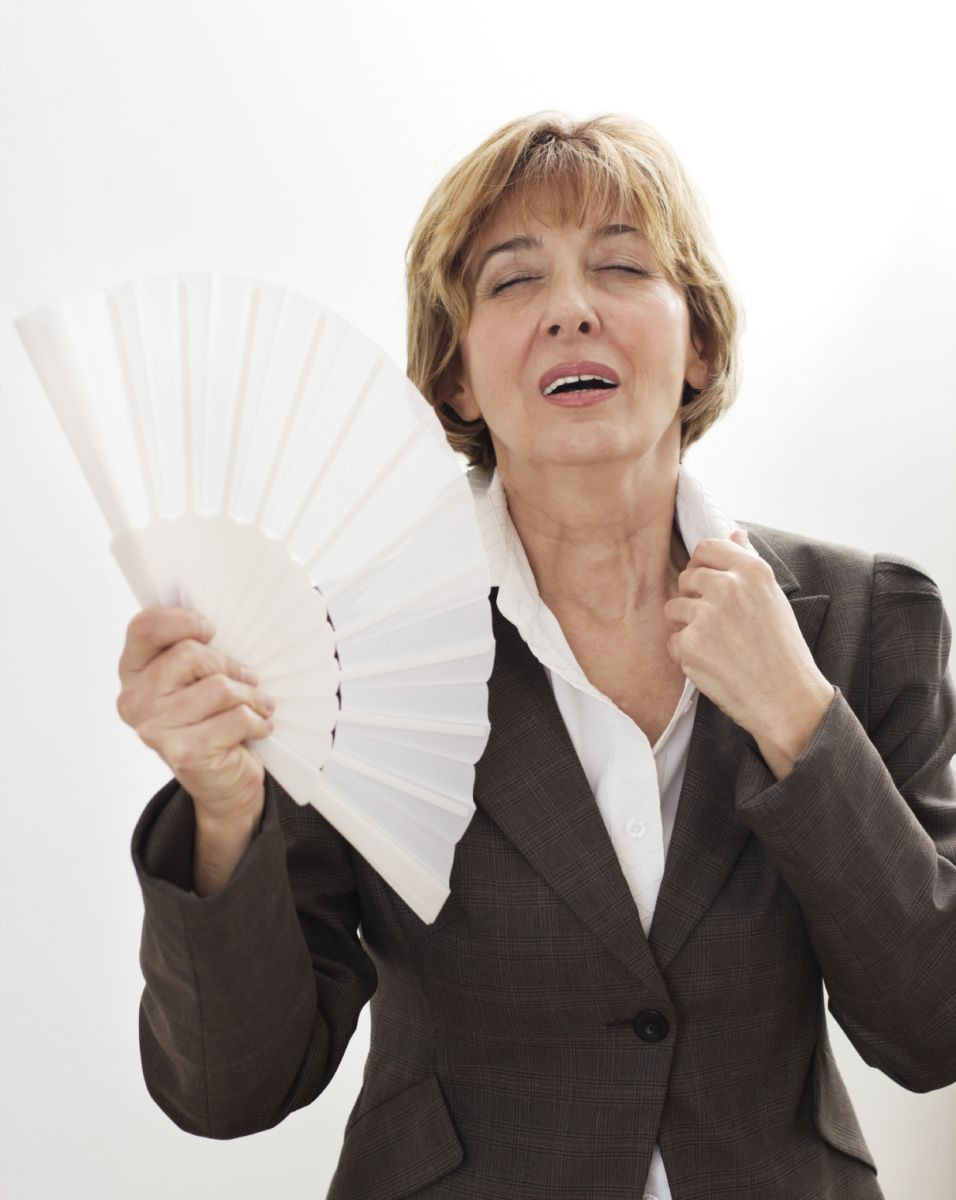
Is it normal for hot flashes to last long after menopause begins?
Ask the doctor
Menopausal symptoms such as hot flashes may last for years after menopause begins. But there are treatments that can offer relief. Image: iStock |
Q. I'm 62 years old, and my last menstrual period was at age 51. My doctor told me that my hot flashes would end after "about three to five years," but I still have them. Am I unusual, and what can I do?
Should postmenopausal women boost their aerobic exercise time?
Among 400 postmenopausal women who were previously inactive, those who did 300 minutes per week of moderate or high intensity exercise had more success at reducing total fat after one year than those who exercised for 150 minutes per week.

“Not Again!” — When UTIs won’t quit at midlife
Urinary tract infections (UTIs) occur in women of all ages. Physical and hormonal changes can leave women at midlife particularly vulnerable. No woman should have to put up with the inconvenience and discomfort of recurrent UTIs. Self-help measures can be effective, but if they don’t do the trick, see your doctor. He or she can identify and treat any underlying problems and recommend other strategies to keep UTIs at bay.

Following low-risk prostate cancers before starting treatment becoming more common
Treatment decisions are complicated for men with low-risk prostate cancer that grows slowly. These cancers may never become deadly during a man’s expected lifespan. And there is no conclusive evidence showing that treatment in these cases extends survival. So cancer specialists have been leaning toward monitoring low-risk prostate cancer carefully and starting treatment only when it begins to spread. This approach was once used only in academic cancer centers, but new research suggests that this strategy is becoming more common in urology practices throughout the United States and other countries as well.
Following low-risk prostate cancers before starting treatment becoming more common
Treatment decisions are complicated for men with low-risk prostate cancer that grows slowly. These cancers may never become deadly during a man’s expected lifespan. And there is no conclusive evidence showing that treatment in these cases extends survival. So cancer specialists have been leaning toward monitoring low-risk prostate cancer carefully and starting treatment only when it begins to spread. This approach was once used only in academic cancer centers, but new research suggests that this strategy is becoming more common in urology practices throughout the United States and other countries as well.
Survival of the fittest: Men at 100 are healthier than women
Fewer men than women live to 100, but the men who do tend to be healthier, according to a study in the Journal of the American Geriatrics Society. Researchers sorted through primary care health records of over 11,000 men and women in the United Kingdom who reached age 100 between 1990 and 2013. They hoped this would provide a more representative look at the health of the oldest people in the population than earlier studies have offered.
As expected, more women than men became centenarians during this period: about 9,000 versus 2,100. However, under the current concept of "successful aging," quality of life is more highly valued than simply the number of life years racked up. So the researchers took a close look at the records for evidence of so-called geriatric syndromes—health problems that are common in older people. These include falls, hip and spine fractures, dementia, and hearing or vision loss.
Heart-healthy diet boosts survival in men with low-risk prostate cancer
Can a healthy diet help men with low-risk prostate cancer live longer? The authors of a new study say “yes.” A long-running Physicians’ Health Study, suggests that a diet that is good for the heart, brain, and other parts of the body may also help keep low-risk prostate cancer at bay. On the flip side, a diet rich in red meat and high-fat dairy foods appears to be hazardous for men with this kind of cancer. It isn’t clear why a diet that protects against heart disease would also protect against death from prostate cancer. Dr. Chavarro speculates that it’s because high-fat foods are easily broken down and absorbed by the digestive system, and so they might provide quick energy sources for growing tumors. Nevertheless, the results suggest that by eating healthily, men with prostate cancer can take a proactive step towards living a long life.
CoQ10: Should you take this popular supplement if you're on a statin?
Microplastics: A hidden health threat?
Oat vs. dairy milk: Nutrition, benefits, and downsides
What is tempeh? Benefits, nutrition, and how to use it
Healing after food poisoning
Children of centenarians may stay healthier and live longer too, study finds
Light exposure at night may raise risk for heart disease
Whole grains may improve several heart risk factors at once
A lumbar belt may help ease low back pain
Signs of pneumonia: Sometimes vague and unexpected
Free Healthbeat Signup
Get the latest in health news delivered to your inbox!
Sign Up
