

CoQ10: Should you take this popular supplement if you're on a statin?

Microplastics: A hidden health threat?

Oat vs. dairy milk: Nutrition, benefits, and downsides

What is tempeh? Benefits, nutrition, and how to use it

Healing after food poisoning

Children of centenarians may stay healthier and live longer too, study finds

Light exposure at night may raise risk for heart disease

Whole grains may improve several heart risk factors at once

A lumbar belt may help ease low back pain

Signs of pneumonia: Sometimes vague and unexpected
Contraception and birth control Archive
Articles
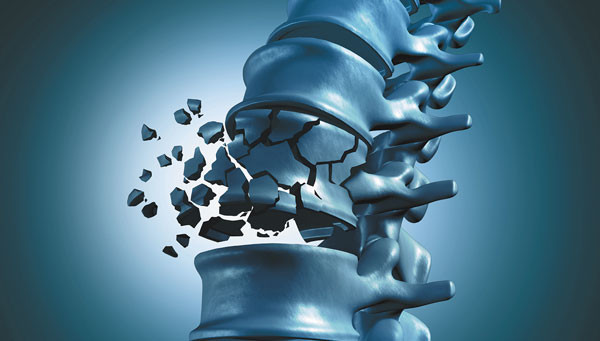
Shunning osteoporosis treatment isn’t a wise decision for most women
Forgoing drugs that slow bone loss to avoid rare side effects can be the wrong decision for your hips and spine.
Image: wildpixel/Thinkstock
A front-page article in the June 1, 2016, edition of The New York Times carried this headline: "Fearing drugs' rare side effects, millions take their chances with osteoporosis." The article described a situation all too familiar to doctors. Women are declining prescriptions of bisphosphonates—drugs that slow the rate at which the body breaks down bone—or discontinuing the medications far earlier than recommended. In fact, according to a 2015 report in the Journal of Bone and Mineral Research, the rate of bisphosphonate use fell by half between 2008 and 2012. That article documented a wave of media coverage of scientific studies that reported two rare side effects—osteonecrosis (bone death) of the jaw and atypical fractures near the top of the femur (thigh-bone)—and suggested that the reports had kindled fears that had led women to abandon bisphosphonates.
"The perception of risk is so much greater than the actual risk," says Dr. Meryl LeBoff, director of the skeletal health and osteoporosis center at Harvard-affiliated Brigham and Women's Hospital. Compared with many other common diseases, we are fortunate that we have good therapies to reduce the risk of osteoporotic fractures by 70% at the spine and 40 to 50% at the hip. She points to statistics referenced in the New York Times article: for every 100,000 women taking a bisphosphonate, fewer than three will have osteonecrosis of the jaw and one will have an atypical femur fracture, but 2,000 will have avoided an osteoporotic fracture.

Why you should heed a ministroke
Transient ischemic attacks, or TIAs, can signal an impending stroke, but prompt care can minimize damage.
Image: FlairImages/Thinkstock
Have you ever experienced a brief episode when your body seemed to be a little off—your vision was blurry, your speech slightly slurred, or one side of your body felt weaker than the other? If so, you may have experienced a transient ischemic attack (TIA), says Dr. Natalia Rost, a neurologist at Harvard-affiliated Massachusetts General Hospital. She notes that many women may assume they have suffered a migraine and get back to life as usual once the episode has passed. In fact, a TIA is a serious medical issue and warrants getting immediate treatment.
Immediate treatment is key
Having a TIA is usually a sign that you may have already endured a few "silent strokes"—interruptions of blood flow to the brain—and may have accumulated some brain damage as a result, Dr. Rost says. However, getting prompt attention for a TIA can significantly reduce your chance of having a major stroke and incurring greater damage.
A team of French researchers reported in April 2016 that people who received care from a stroke specialist within 24 hours of a TIA had only a 4% risk of having a major stroke within the next three months, compared with the average risk of 12% to 20%. Recent studies also show that people who got prompt treatment from stroke specialists in the hospital or clinic were much more likely to get the appropriate follow-up treatments, including aspirin, blood thinners, and blood pressure medication. "Just as getting prompt treatment for chest pain minimizes damage from a heart attack, getting help for a TIA diminishes the effects on the brain," Dr. Rost says.
Yet studies have shown that women aren't as likely as men to get brain-sparing treatments. A 2013 study indicated that gender discrimination wasn't the problem; women were less likely than men to seek help within four hours of the start of symptoms, when clot-busting therapies are most effective. Women who sought help within four hours received the same treatment as men did.
Why white matter really matters
What you should do
Dr. Rost suggests doing everything you can to minimize white-matter damage—controlling your blood pressure, cholesterol, and blood glucose are important. So is a lifestyle that includes regular exercise, a healthy diet, and not smoking. "While it's important to get help for a TIA, it's better to avoid one altogether," Dr. Rost says.

Pessary and exercise relieve symptoms for women with pelvic floor prolapse
A pessary and pelvic floor exercises can improve symptoms of pelvic floor prolapse.
Is it always important to get a second medical opinion?
Men should always seek out a second medical opinion anytime they are given a diagnosis of serious illness or a recommendation for surgery. Also, when seeking a second opinion, it is best to visit a different medical center to get a truly independent diagnosis, and to bring along a family member or friend to accurately record the new information.

Redefining a healthy sex life
Knowing what to expect as you age can make intimacy more enjoyable for you and your partner.
Image: Jacob Ammentorp Lund/iStock
Your sex life doesn't end once you reach a certain age. Older people continue to enjoy active sex lives well into their 70s and 80s, according to a study in the January 2016 issue of Archives of Sexual Behavior. In fact, 54% of men over age 70 report they are still sexually active. Still, older men need to change their mindset when it comes to this next phase of their sex life.
"Our culture has a narrow perspective of what is considered good or 'normal' sex," says Dr. Sharon Bober, director of the Sexual Health Program at Harvard-affiliated Dana-Farber Cancer Center. "Your body and mind change as you age, which means your sex life does, too."

The major impact of ministrokes
Often referred to as a ministroke , a transient ischemic attack, or TIA, often lasts only minutes, but acts as a warning for a potential full stroke.
Stumble walking across the room? You simply aren't watching your step. Forget a name or can't get out the right words? It's just a fuzzy senior moment. Feeling a little dizzy? You only need to sit down for a second.

New urine test predicts high-grade cancer
Suspicious findings from prostate cancer screening are often followed by a procedure most men would prefer to avoid: a prostate biopsy. But what if biopsies actually could be avoided on the basis of non-invasive test results? Screening tests are moving in that direction, with some intriguing results. One of them, the Prostate Health Index blood test, combines measures of three forms of prostate-specific antigen (PSA) into a score that helps doctors predict if a cancer is likely to progress, with an aim to circumvent biopsies that aren’t necessary.
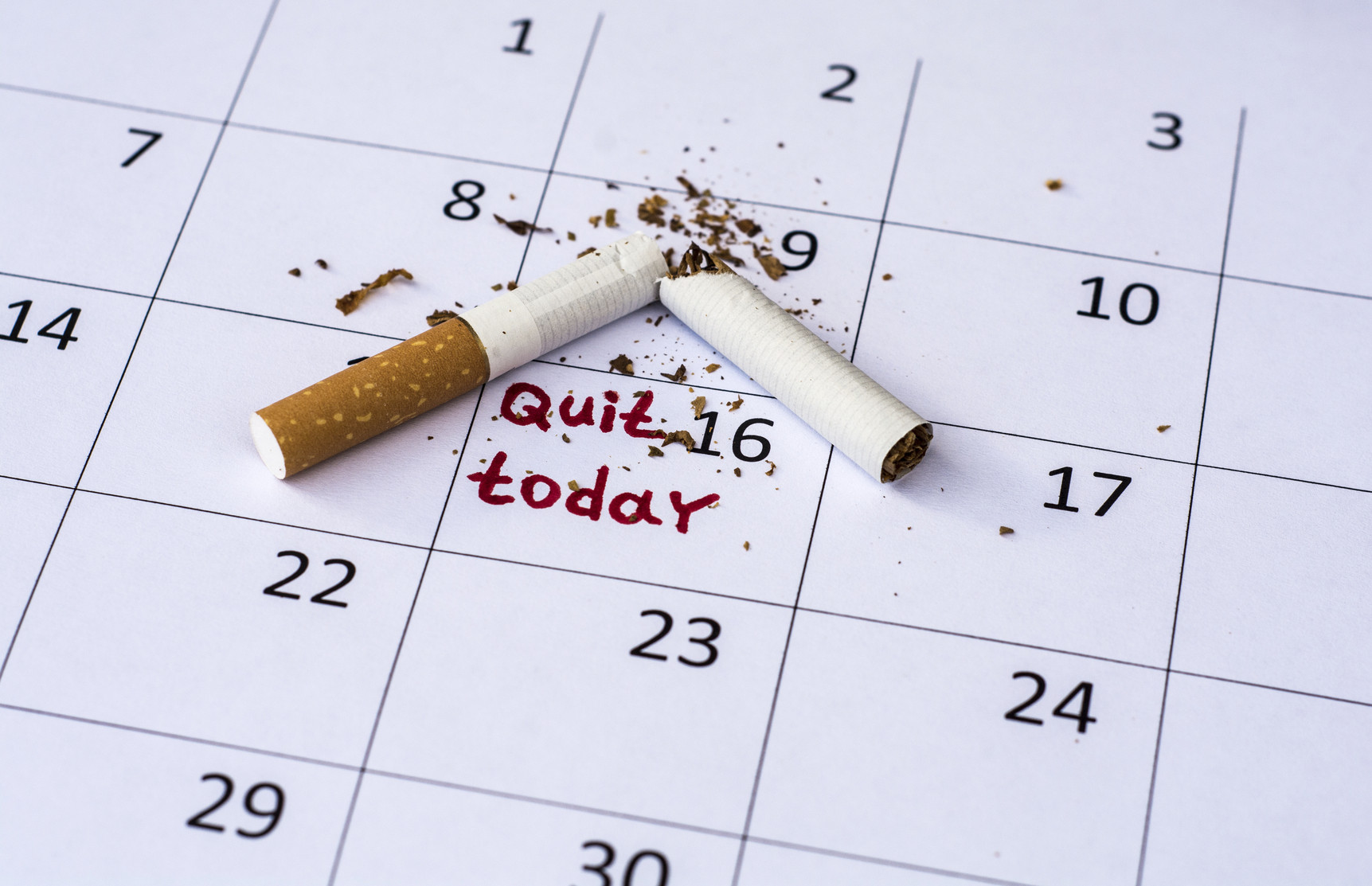
Quitting smoking during the second half of the menstrual cycle may help women kick the habit
Studies have shown that not only do women have a harder time quitting than men, but they also experience more severe health consequences from smoking. However, new research suggests that it may be easier for women to quit smoking during the second half of their menstrual cycle. During this time, the hormone progesterone is higher, and this appears to aid in quitting and avoiding relapse.

Women and sleep: 5 simple steps to a better night's rest
Sleep shortfalls can lead to a range of health problems, from being more likely to catch a cold or gain weight to increased risk of developing heart disease or diabetes.
For optimum health and function, the average adult should get seven to nine hours of sleep every night. But more than 60% of women regularly fall short of that goal.
CoQ10: Should you take this popular supplement if you're on a statin?
Microplastics: A hidden health threat?
Oat vs. dairy milk: Nutrition, benefits, and downsides
What is tempeh? Benefits, nutrition, and how to use it
Healing after food poisoning
Children of centenarians may stay healthier and live longer too, study finds
Light exposure at night may raise risk for heart disease
Whole grains may improve several heart risk factors at once
A lumbar belt may help ease low back pain
Signs of pneumonia: Sometimes vague and unexpected
Free Healthbeat Signup
Get the latest in health news delivered to your inbox!
Sign Up
