

CoQ10: Should you take this popular supplement if you're on a statin?

Microplastics: A hidden health threat?

Oat vs. dairy milk: Nutrition, benefits, and downsides

What is tempeh? Benefits, nutrition, and how to use it

Healing after food poisoning

Children of centenarians may stay healthier and live longer too, study finds

Light exposure at night may raise risk for heart disease

Whole grains may improve several heart risk factors at once

A lumbar belt may help ease low back pain

Signs of pneumonia: Sometimes vague and unexpected
Contraception and birth control Archive
Articles

Staying active at “that time of the month”
The belief that women should avoid exercise or athletics during their menstrual periods, because it can affect performance or increase the risk of injury, is not necessarily true. Good training may reduce the risks of injury and enhance performance much more than trying to time exercise around one’s periods.



A better sex life requires more than popping a pill
Image: iStock
The never-ending advertisements for erectile dysfunction drugs seem to suggest that popping a pill is all it takes to guarantee a great sex life for men dealing with this challenging problem.
But a satisfying sex life takes a lot more than functioning body parts — erectile dysfunction can set in motion a cycle of emotional and relationship problems. And "fixing" the ability to achieve an erection may uncover other sources of sexual dysfunction, such as low libido, difficulties with arousal, or sexual issues in a partner.

Walking while golfing: Is this sufficient exercise?
Studies of golfers have found that playing 18 holes is about equal to brisk walking in terms of intensity—even though golf walking is stop-and-go. However, in order to gain the maximum cardiovascular benefit from exercise, people may want to add a day or two of higher-intensity activities, such as running, tennis, or something similar that raises your heart rate.

Join the healthy heart trend
The rates of heart disease have dropped over the past decade. How can you be part of this pattern?
Image: Photos.com/ Thinkstock
Heart disease continues to be the No. 1 cause of death among men, but there is some good news—fewer older adults have heart disease. A recent report from the National Health and Nutrition Examination Survey found the rates for this condition among people age 60 and older have fallen from 19.5% to 14.9% in the past decade.
What caused this downward trend? And how can you follow?
Meditation may ease anxiety from active surveillance
A mindfulness-based stress reduction program (MBSR) can help control anxiety among men who follow active surveillance for prostate cancer. The wait-and-see approach can make men feel so uneasy about their condition that they opt for treatment with radiation therapy or surgery when it is unnecessary. MBSR not only eases anxiety levels, but also inspires men to be more proactive about their health and adopt lifestyle changes like a proper diet and exercise.
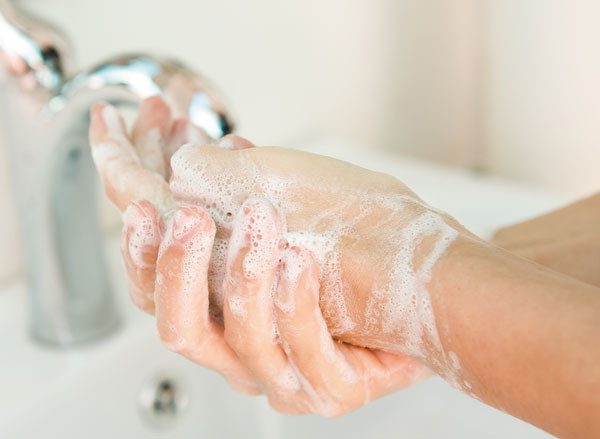
You can protect yourself against superbugs
Some simple preventive measures can keep antibiotic-resistant bacteria at bay.
Image: hxdbzxy /Thinkstock
Although the Zika virus got more publicity throughout the summer, another—and even scarier-sounding—microbe also made headlines. Dubbed a new "superbug," strains of E. coli resistant to the antibiotic colistin were found in the United States. Colistin is a drug often used when others fail to control a bacterial infection. Fortunately, the bacteria weren't resistant to other antibiotics, which cleared the infections. "Although this particular case of antibiotic resistance may not be as dire as the media made it sound, in general these increasingly high-level resistances are an enormous problem," says Dr. Sarah Fortune, professor of immunology and infectious diseases at Harvard T.H. Chan School of Public Health.
Why superbugs are such a problem
Like other forms of life, bacteria are always evolving to become stronger and survive longer. One of the ways they increase their chances of survival is to acquire genes that help them resist threats—including natural enemies like viruses and man-made weapons like antibiotics. These genes can spring up within a bacterium through mutations and are passed down to subsequent generations of the microbe. In addition, they can be found on rings of DNA called plasmids, which can be transmitted to other types of bacteria, enabling the resistance to spread wider and faster. The E. coli strains discovered in 2016 raised concern because they carry the colistin-resistance gene on plasmids and thus have the potential to transfer the plasmids to bacteria that are already resistant to several other antibiotics.

Birth control right after having a baby: Why it’s important, why it should be covered
Many women may plan to start using birth control at their six-week postpartum checkup, but as many as 40% of women do not go to a follow-up appointment. The American Congress of Obstetricians and Gynecologists advocates for offering women the option of long-acting, implantable contraceptives in the period immediately following giving birth, before leaving the hospital. It’s safe, effective, and eliminates the need for an outpatient visit during a hectic time. Making postpartum contraception easily available and a covered benefit is essential to reduce unintended pregnancy and rapid, repeat pregnancy rates.

Would having stronger core muscles speed my recovery from abdominal surgery?
Strong core muscles and overall fitness are linked to shorter surgical recovery times.
CoQ10: Should you take this popular supplement if you're on a statin?
Microplastics: A hidden health threat?
Oat vs. dairy milk: Nutrition, benefits, and downsides
What is tempeh? Benefits, nutrition, and how to use it
Healing after food poisoning
Children of centenarians may stay healthier and live longer too, study finds
Light exposure at night may raise risk for heart disease
Whole grains may improve several heart risk factors at once
A lumbar belt may help ease low back pain
Signs of pneumonia: Sometimes vague and unexpected
Free Healthbeat Signup
Get the latest in health news delivered to your inbox!
Sign Up
