

CoQ10: Should you take this popular supplement if you're on a statin?

Microplastics: A hidden health threat?

Oat vs. dairy milk: Nutrition, benefits, and downsides

What is tempeh? Benefits, nutrition, and how to use it

Healing after food poisoning

Children of centenarians may stay healthier and live longer too, study finds

Light exposure at night may raise risk for heart disease

Whole grains may improve several heart risk factors at once

A lumbar belt may help ease low back pain

Signs of pneumonia: Sometimes vague and unexpected
Contraception and birth control Archive
Articles

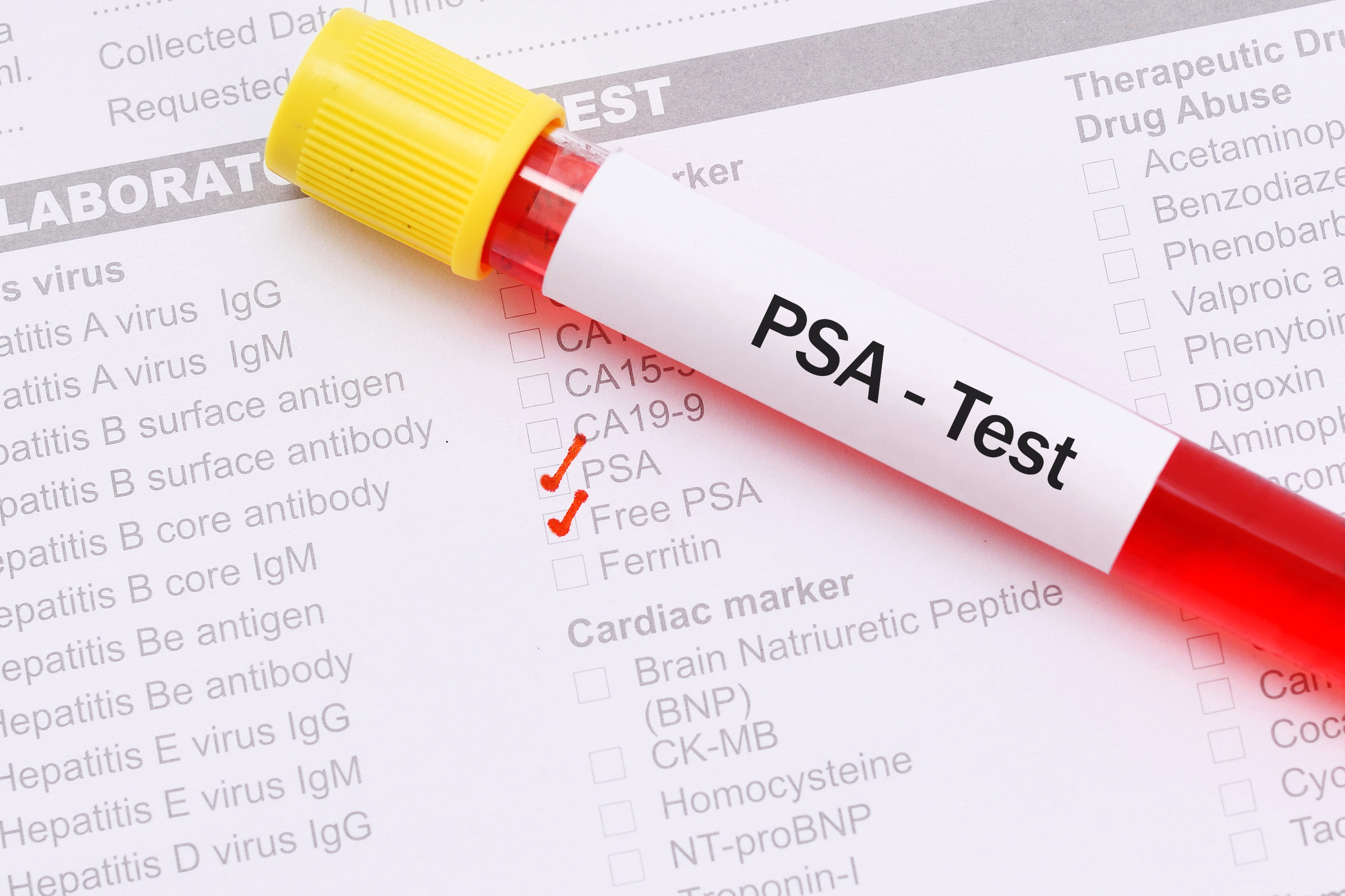
To PSA test or not to PSA test: That is the discussion
The recommended guidelines for whether men should have the prostate cancer screening test have changed in recent years. A man considering the test should talk with his doctor and understand all the pros and cons involved.

For men over 50: You can lower your health risks
What if men approached their health at midlife the same way that financial experts advise them to plan for retirement? Some of the same rules apply: take a close look at where things stand now, and then take steps to protect your future. Midlife is a good time to lower health risks and invest for long-term health benefits.
How? First, acknowledge what you can't control. Then put your energies into changing what you can — for the better.
Short-term estrogen use doesn’t protect against dementia, study indicates
Research we're watching
Although hormone therapy was once thought to help preserve cognitive function after menopause, there is mounting evidence to the contrary, including a recent report from the Kuopio Osteoporosis Risk Factor and Prevention Study.
Researchers in that project sent questionnaires to all women ages 47 to 56 who lived in the Finnish province of Kuopio in 1987. The women completed questionnaires every five years, providing information about their lifestyles, medication use, and illnesses. The researchers checked the information in the questionnaires against prescription registries and medical records up to 2009.

Binge drinking continues to rise — particularly among women and seniors
Data from several surveys indicate that the percentage of women who drink has been increasing for decades. The numerous health effects associated with alcohol consumption mean that women should be especially attentive to how much they drink.
Can implantable hormone pellets prevent bone loss?
Ask the doctor
Q. I've heard that bioidentical hormone pellets injected near the hip are more effective than bone-building drugs in stopping bone loss and preventing hip fracture. Is this true?
A. The FDA hasn't approved hormone pellets for preventing or treating bone loss. Moreover, there are no randomized controlled trials on record, so we don't know whether hormone pellets are more effective — or even as effective — as the FDA-approved medical therapies. Finally, there aren't any published reports explaining how the hormones are metabolized in the body or the side effects they may have.

How to soothe hemorrhoids
Hemorrhoids won't go away, but some simple measures can help to prevent and ease flare-ups.
Image: © Wavebreakmedia/Thinkstock
By some estimates, about half of people over age 50 have hemorrhoids — swollen blood vessels on the outer rectum and anus. Women are more likely than men to develop hemorrhoids, probably because hemorrhoids commonly occur during pregnancy. However, they are less likely to seek medical treatment for them.
Not all hemorrhoids cause problems. One study of people undergoing colonoscopy found that more than half of people whose tests revealed hemorrhoids were unaware that they had them. However, when hemorrhoids become inflamed, they can make bowel movements — and even sitting — quite painful.
Postmenopausal women treated for DCIS live as long as other women
Research we're watching
Ductal carcinoma in situ (DCIS) differs from breast cancer because it is noninvasive, so it cannot spread to other parts of the body. However, it can progress to an invasive breast cancer, which can be life-threatening. Researchers from the Netherlands Cancer Institute wanted to determine how DCIS affected long-term survival.
The team studied almost 10,000 postmenopausal women who were diagnosed with DCIS between 1989 and 2004. They tracked the patients over an average of 10 years and compared their death rates with the expected mortality rates of the general population. They found that women who had been treated for DCIS had a 2.5% risk of dying of breast cancer over 10 years and a 4% risk at 15 years — rates that were higher than in the general population. But they also found that DCIS survivors had a 10% lower risk of dying from any cause compared with the general population. They presented their results Jan. 27, 2017, at the European Cancer Congress.

Making fertility-friendly lifestyle choices
If you are thinking about getting pregnant, you can do many simple, effective things right now to improve your chances of conception, because lifestyle can have profound effects on the reproductive functions of women and men. This means that increasing your fertility potential is something that you both can do without outside help. In addition to adopting a fertility-boosting diet and getting into the fertility zones for weight and exercise, there are a number of lifestyle choices you can make for improving fertility naturally.
Give up nicotine, marijuana, cocaine, and steroids
Tobacco smoking has been linked to reduced fertility in both women and men. In addition, a recent British study has found an association between smoking and stillbirths, low birthweight babies, and sudden infant death syndrome (SIDS). A woman who smokes is likely to have less chance of becoming pregnant and giving birth when treated with in vitro fertilization (IVF) than a woman who doesn't smoke. This is especially true if she smokes twenty or more cigarettes a day. A mechanism that may link cigarette smoking and reduced pregnancy rates following IVF is the observation that smoking appears to accelerate the rate of egg loss. Women who smoke have the elevated hormone levels that indicate a depleted supply of eggs and prematurely aged follicles.
Gender matters: Heart disease risk in women
Heart disease is the leading cause of death among women — and one of the most preventable. Research is giving us insights into how we can control our risk.
We've come a long way since the days when a woman's worry over heart disease centered exclusively on its threat to the men in her life. We now know it's not just a man's problem. Every year, coronary heart disease, the single biggest cause of death in the United States, claims women and men in nearly equal numbers.
Risk still underappreciated
In a survey conducted by the American Heart Association, about half of the women interviewed knew that heart disease is the leading cause of death in women, yet only 13% said it was their greatest personal health risk. If not heart disease, then what? Other survey data suggest that on a day-to-day basis, women still worry more about getting breast cancer — even though heart disease kills six times as many women every year. Why the disconnect?
CoQ10: Should you take this popular supplement if you're on a statin?
Microplastics: A hidden health threat?
Oat vs. dairy milk: Nutrition, benefits, and downsides
What is tempeh? Benefits, nutrition, and how to use it
Healing after food poisoning
Children of centenarians may stay healthier and live longer too, study finds
Light exposure at night may raise risk for heart disease
Whole grains may improve several heart risk factors at once
A lumbar belt may help ease low back pain
Signs of pneumonia: Sometimes vague and unexpected
Free Healthbeat Signup
Get the latest in health news delivered to your inbox!
Sign Up
