

CoQ10: Should you take this popular supplement if you're on a statin?

Microplastics: A hidden health threat?

Oat vs. dairy milk: Nutrition, benefits, and downsides

What is tempeh? Benefits, nutrition, and how to use it

Healing after food poisoning

Children of centenarians may stay healthier and live longer too, study finds

Light exposure at night may raise risk for heart disease

Whole grains may improve several heart risk factors at once

A lumbar belt may help ease low back pain

Signs of pneumonia: Sometimes vague and unexpected
Contraception and birth control Archive
Articles

Dealing with the symptoms of menopause
You could argue that the physical and mental changes that occur during menopause aren't really "symptoms." The term is usually associated with a disease, which menopause is not. Also, it is often hard to say which changes are a direct result of a drop in hormone levels and which are natural consequences of aging. Some of the symptoms overlap or have a cascade effect. For example, vaginal dryness may contribute to a lower sex drive, and frequent nighttime hot flashes may be a factor in insomnia.
Hot flashes and vaginal dryness are the two symptoms most frequently linked with menopause. Other symptoms associated with menopause include sleep disturbances, urinary complaints, sexual dysfunction, mood changes, and quality of life. However, these symptoms don't consistently correlate with the hormone changes seen with menopause transition.
Depression during pregnancy and after
For too many women, joyfully anticipated pregnancy and motherhood bring depression as an unexpected accompaniment. Children as well as mothers suffer. Depression during pregnancy may result in poor prenatal care, premature delivery, low birth weight, and, just possibly, depression in the child. Depression after childbirth (postpartum depression) can lead to child neglect, family breakdown, and suicide. A depressed mother may fail to bond emotionally with her newborn, raising the child's risk of later cognitive delays and emotional and behavior problems. Fortunately, if the depression is detected soon enough, help is available for mother and child.
Depression During Pregnancy
Depression in pregnant women is often overlooked, partly because of a widespread misconception that pregnancy somehow provides protection against mood disorders. In reality, almost 25% of cases of postpartum depression in womem start during pregnancy, and depression may peak at that time, according to a study published in the British Medical Journal.

Time spent in “green” places linked with longer life in women
Greenery might do more than just cheer us up. A recent study shows it lowers the mortality rate in women. Green spaces decrease levels of depression and pollution while increasing levels of social engagement and physical activity. If you are lucky enough to be surrounded greenery, get out there and enjoy it more. Even urban areas can increase their greenery by planting more trees and shrubs. See if you can get your community to plant more plants. It will help everyone out in the long run.
Do not get sold on drug advertising
Prescription drug ads are a multibillion-dollar industry that promotes treatments you may or may not need. Here's how to use that information to your advantage.
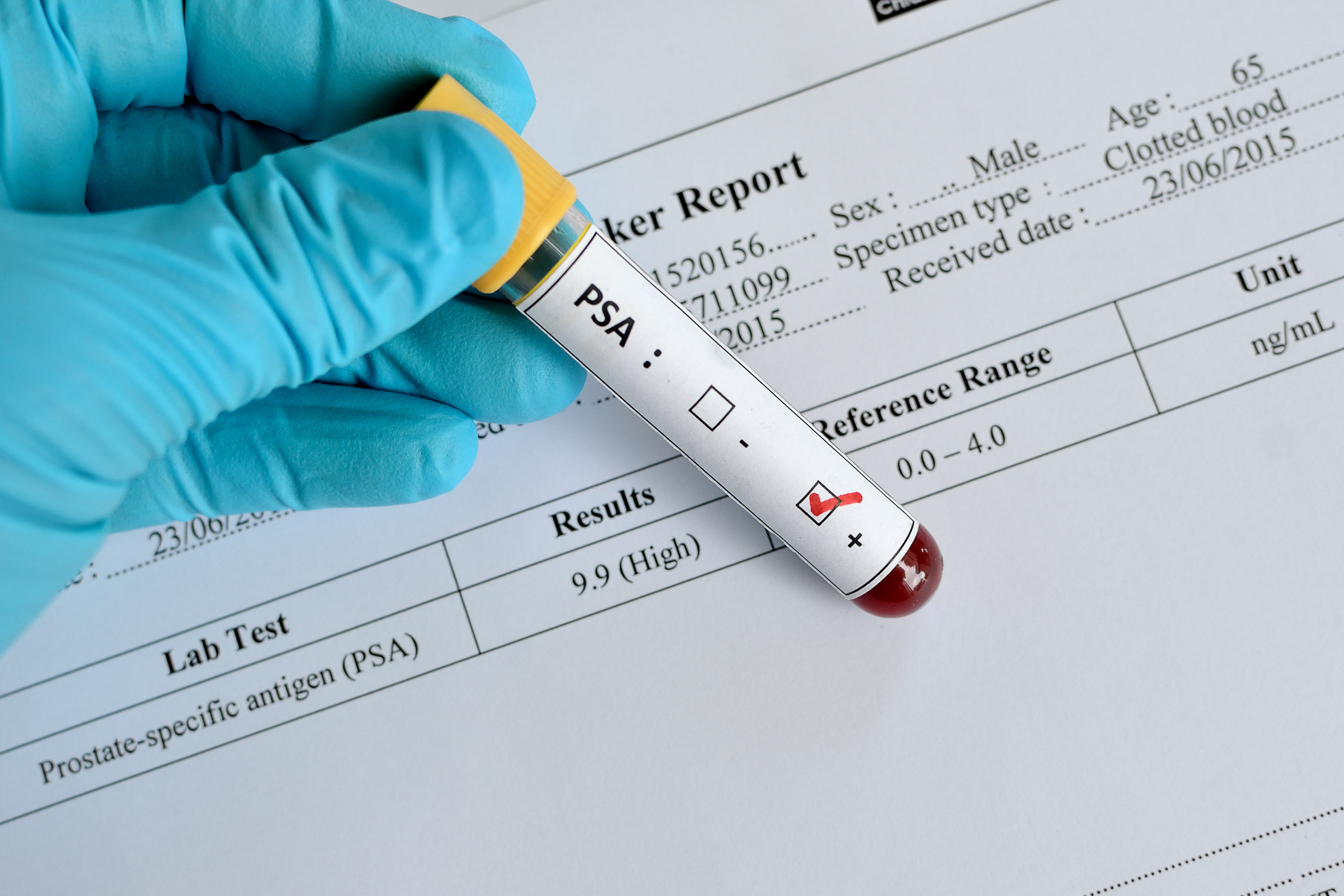
Ads for prescription drugs are everywhere. You can't watch a sporting event without seeing an ad touting a treatment for erectile dysfunction, high cholesterol, high blood pressure, or joint pain.
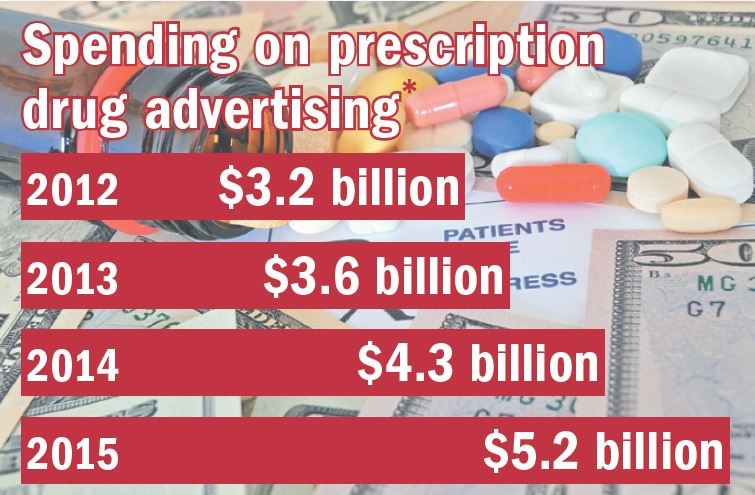
Drug marketing is a big business, and companies are willing to spend a lot of money to offer you an easy solution to a health problem you may or may not have. From 2012 to 2015, yearly spending on prescription drug advertising in all media outlets (except digital) rose from $3.2 billion to $5.2 billion, and that figure is expected to only go up.
Kegels: Not for women only
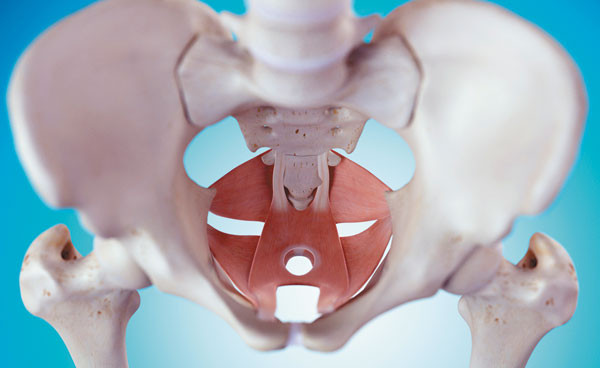
Women use kegels to strengthen their pelvic floor muscles, but men may also benefit from doing these exercises.
Image: © Eraxion /Thinkstock
Kegel exercises to strengthen pelvic floor muscles have long been seen as just for women, but they may be a way for men to address some common unpleasant issues as they age.
"Men also can have issues with these muscles, which can cause urinary leakage, bowel trouble, and even erection problems," says physical therapist Celia Brunette, with Harvard-affiliated Spaulding Rehabilitation Center.
Help with online health
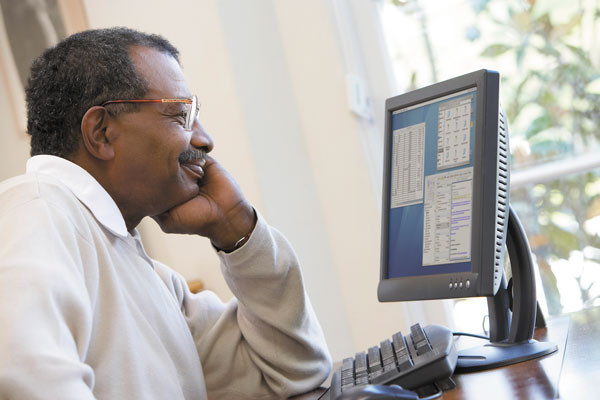
Frustrated by medical and health care websites? New research suggests seniors don't use this health technology like they should, but it may not be their fault.
Image: © BananaStock/Thinkstock
It's said that you can find just about anything on the Internet. Yet when it comes to finding information about health, many seniors are at a loss.
"Few seniors are using digital health technology," says Dr. David Levine, of Harvard-affiliated Brigham and Women's Hospital, who specializes in medical technology information.
Possible link between shoulder problems and heart disease risk
Shoulder pain appears to be associated with risk factors for heart disease. Researchers found that people with the most heart disease risk factors, like high cholesterol, high blood pressure, and diabetes, were almost five times more likely to also have shoulder trouble.
Ask the doctor: Why would I need Prolia?
Denosumab (Prolia) is recommended for people at high risk for fractures for whom other bone-loss treatments were ineffective or had intolerable side effects.
CoQ10: Should you take this popular supplement if you're on a statin?
Microplastics: A hidden health threat?
Oat vs. dairy milk: Nutrition, benefits, and downsides
What is tempeh? Benefits, nutrition, and how to use it
Healing after food poisoning
Children of centenarians may stay healthier and live longer too, study finds
Light exposure at night may raise risk for heart disease
Whole grains may improve several heart risk factors at once
A lumbar belt may help ease low back pain
Signs of pneumonia: Sometimes vague and unexpected
Free Healthbeat Signup
Get the latest in health news delivered to your inbox!
Sign Up
