

CoQ10: Should you take this popular supplement if you're on a statin?

Microplastics: A hidden health threat?

Oat vs. dairy milk: Nutrition, benefits, and downsides

What is tempeh? Benefits, nutrition, and how to use it

Healing after food poisoning

Children of centenarians may stay healthier and live longer too, study finds

Light exposure at night may raise risk for heart disease

Whole grains may improve several heart risk factors at once

A lumbar belt may help ease low back pain

Signs of pneumonia: Sometimes vague and unexpected
Contraception and birth control Archive
Articles

How you deal with pain goes a long way toward relieving it
When you live with physical pain, changing your reaction to it can help you better manage discomfort and obstacles.
Image: © filipefrazao/Thinkstock
Dealing with chronic physical pain, no matter the source or severity, is a constant challenge, but sometimes the emotional pain that comes with it can be just as trying. In fact, more than half of people with pain feel they have lost control of their lives, according to the American Academy of Pain Medicine.
"In general, men tend to be less verbal about seeking help with their physical pain," says Dr. Ellen Slawsby, director of pain management at the Benson-Henry Institute for Mind Body Medicine at Harvard's Massachusetts General Hospital.
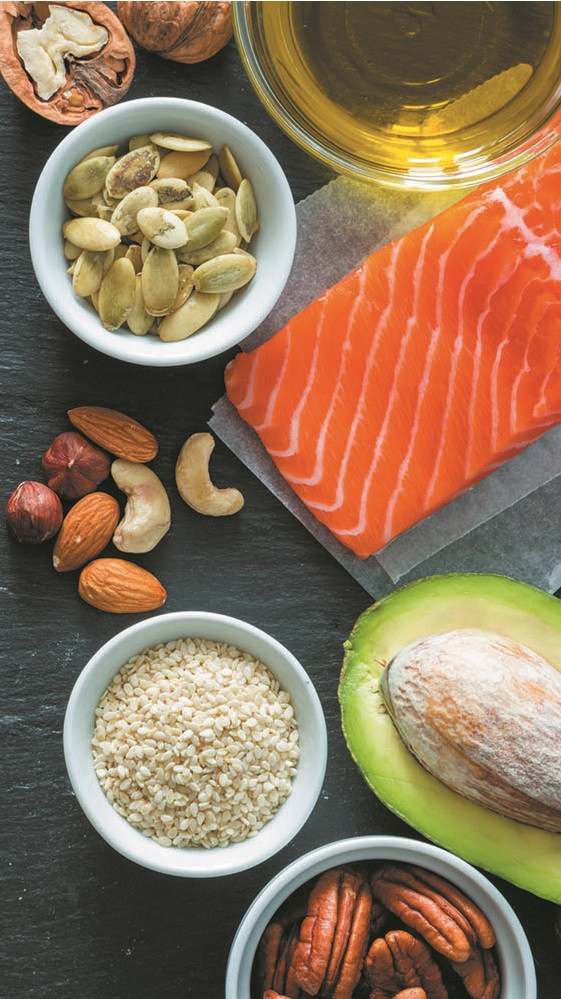
Getting to the heart of the fat issue
A certain amount of healthy fat is good for your heart.
Low-fat, no-fat, fat-free. Fat has been shamed for so long, it's easy to think there's no place for it in a heart-healthy diet. But the opposite is true. "It's a myth that lowering fat intake is healthy," says Dr. Frank Sacks, professor of cardiovascular disease prevention at the Harvard T.H. Chan School of Public Health. "The key is to use more healthful unsaturated fats and less of the detrimental saturated fats."
The good and the bad
To understand the role of fat in heart health, you first have to look at where it's found in food. There are two types of fat: saturated and unsaturated.

Erectile dysfunction drugs not linked to melanoma
In the journals
The erectile dysfunction drugs collectively known as phosphodiesterase type 5 (PDE5) inhibitors, such as sildenafil (Viagra), may not cause melanoma, the most dangerous form of skin cancer, according to a study published online May 19, 2017, by the Journal of the National Cancer Institute.
In 2016, the FDA put PDE5 inhibitors on its watch list of medications with possible safety issues after some studies suggested they might increase the risk for melanoma. In response to the FDA's action, researchers analyzed data from five large-scale studies of the issue, involving 866,049 men, published between 2014 and 2016.

Combination hormonal therapy boosts survival in men with aggressive prostate cancer
The results of two studies found that using the drug abiraterone in combination with other hormonal therapy drugs to treat aggressive prostate cancer produced more favorable results than the first-line therapy alone.

How clean should your skin be?
Soaps that strip away microbes aren't good, but it may be too soon to try products that add bacteria back.
You may have noticed that antimicrobial skin cleansers have disappeared from the shelves. In September 2016, the FDA ruled that over-the-counter antiseptic soaps and wash products containing triclosan, triclocarban, or 17 other antimicrobial agents could no longer be marketed because their manufacturers didn't demonstrate that the ingredients were both safe and effective in preventing the spread of infections. Moreover, the widespread use of antimicrobials is thought to promote the growth of antibiotic-resistant bacteria, like methicillin-resistant Staphylococcus aureus (MRSA), which can cause infections that are difficult to treat and even life-threatening.
You may also have noticed some new sprays, creams, and lotions whose purpose is just the opposite. Rather than eradicating microbes from our skin, these products, called probiotics, are designed to aid the growth of certain beneficial skin bacteria.
Hearing loss linked to late menopause, extended hormone use
Research we're watching
It was once thought that hearing loss in older women might be linked to loss of estrogen and progesterone following menopause and that hormone therapy might reduce that risk. Recent results from the Nurses' Health Study II indicate just the opposite — that late natural menopause and the use of oral hormone therapy are linked to a higher risk of hearing loss.
Researchers enrolled 80,972 women ages 27 to 44 in 1991. All completed periodic questionnaires on their health status and lifestyles. By 2013, 18,558 participants had reported hearing loss. When the researchers analyzed the results, they found that women who underwent natural menopause at age 50 or older had a 10% greater risk of hearing loss than women who reached menopause before 50. Compared with nonusers, women who used hormone therapy — either estrogen alone or estrogen and progesterone — had a 15% greater risk of hearing loss if they used hormones for five to 10 years and 21% higher risk if they used them 10 years or longer.

Does prostate cancer screening matter?
The latest guidelines suggest you should have an engaged conversation with your doctor about PSA testing.
Image: © Mark Bowden/Thinkstock
An annual prostate-specific antigen (PSA) test to check for signs of possible prostate cancer sounds innocent enough, but new guidelines suggest the test offers few long-term benefits, and substantial possible harm.
The updated guidelines from the U.S. Preventive Services Task Force (USPSTF), published online April 11, 2017, by The Journal of the American Medical Association, reinforce the organization's 2012 conclusion that PSA screenings have only a small potential benefit for reducing the chance of dying of prostate cancer for men ages 55 to 69 — while exposing them to possible overtreatment and side effects from biopsies, radiation, and surgery.

An easier way to set and achieve health goals
A unique strategy for establishing personal goals helps you stay focused and on track for optimum wellness.
Image: © cacaroot/Thinkstock
Staying engaged in life as you age is essential for your health.
"Men have spent a good deal of their earlier life focused on reaching goals, from career advancement to self-improvement," says Susan Flashner-Fineman, the Vitality 360 Wellness Coaching Program coach at Harvard-affiliated Hebrew SeniorLife. "As you get older, you may not recognize the need for accomplishments, yet they are crucial to keeping your mental and physical skills sharp. You want your remaining years to be good ones, so what do you want them to look like? Goal setting can help you get there."
CoQ10: Should you take this popular supplement if you're on a statin?
Microplastics: A hidden health threat?
Oat vs. dairy milk: Nutrition, benefits, and downsides
What is tempeh? Benefits, nutrition, and how to use it
Healing after food poisoning
Children of centenarians may stay healthier and live longer too, study finds
Light exposure at night may raise risk for heart disease
Whole grains may improve several heart risk factors at once
A lumbar belt may help ease low back pain
Signs of pneumonia: Sometimes vague and unexpected
Free Healthbeat Signup
Get the latest in health news delivered to your inbox!
Sign Up
