

CoQ10: Should you take this popular supplement if you're on a statin?

Microplastics: A hidden health threat?

Oat vs. dairy milk: Nutrition, benefits, and downsides

What is tempeh? Benefits, nutrition, and how to use it

Healing after food poisoning

Children of centenarians may stay healthier and live longer too, study finds

Light exposure at night may raise risk for heart disease

Whole grains may improve several heart risk factors at once

A lumbar belt may help ease low back pain

Signs of pneumonia: Sometimes vague and unexpected
Contraception and birth control Archive
Articles
Treating chronic prostatitis
Depending on how you define the term, prostatitis affects 9% to 16% of men at some point in their lives. The term prostatitis, which means inflammation of the prostate, refers to a group of syndromes characterized by urinary problems such as burning or painful urination, urgency, and trouble voiding; difficult or painful ejaculation; and pain in the perineum or lower back. Although it causes some of the same symptoms as BPH and can occur at the same time, prostatitis is a separate condition.
Treating chronic prostatitis
If you have chronic prostatitis, treatment is highly individual and will depend on the type of symptoms that you have. Fortunately, there are many options, and with some trial and error, you may find one that works for you.
Does osteoporosis cause any symptoms?
Ask the doctors
Q. Is there any way to tell if you are getting osteoporosis? Are there symptoms?
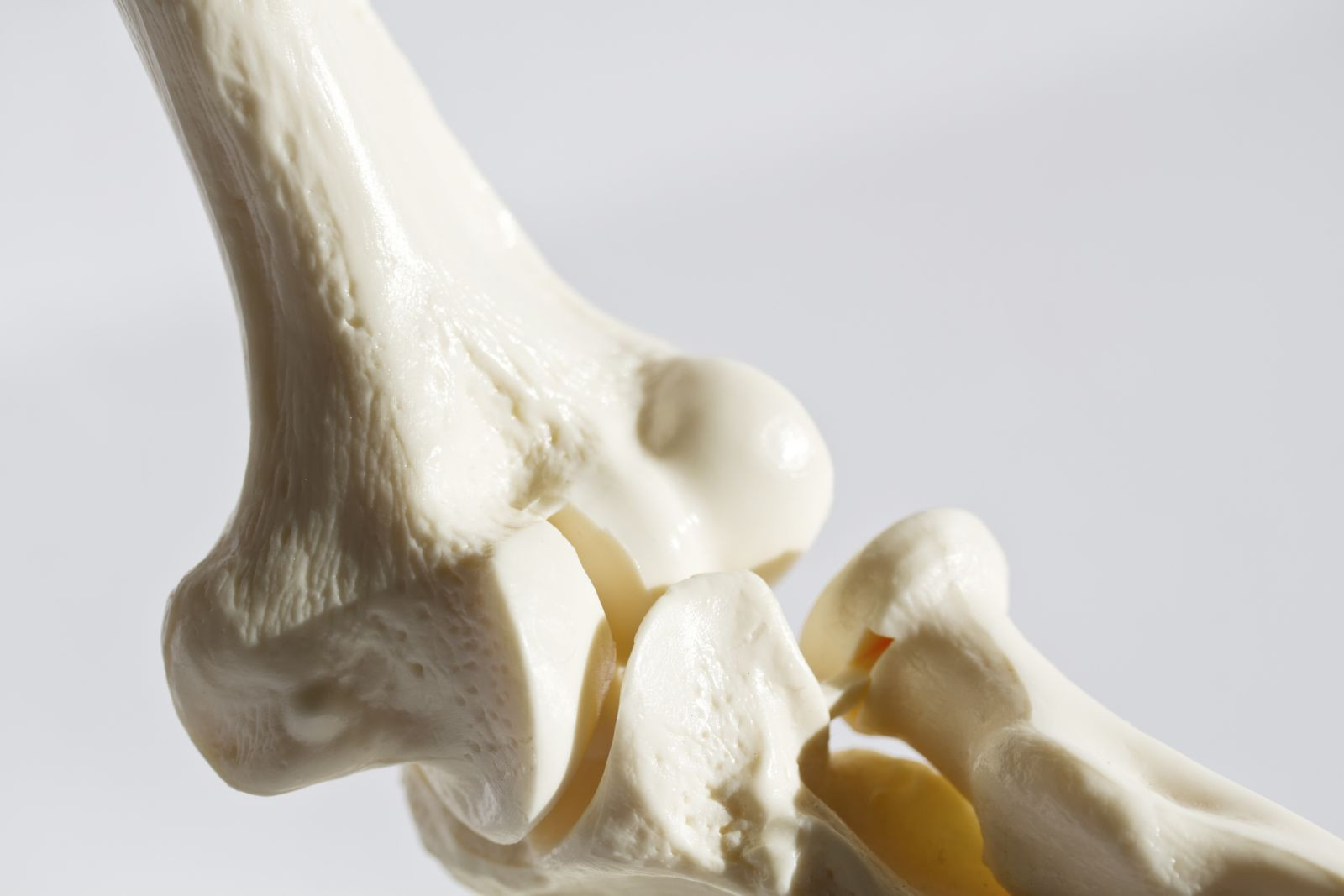
A. Osteoporosis is a disease that causes your bones to become weak and brittle and more likely to break. Unfortunately, you probably won't have any symptoms until the disease is advanced or you actually experience a fracture. However, there are two visible clues of osteoporosis: changes in your posture (such as a hunched-over appearance) and loss of height. Both of these changes may be caused when your spine becomes curved or compressed from weakness or tiny fractures (called compression fractures) in your vertebrae, the small bones that make up your spine.

How false assumptions about weight may affect your health
It's called "weight bias," and even health care providers aren't immune.
Image: © Photodisc/Thinkstock
If you've ever delayed a doctor's appointment so you could lose a few pounds before your annual weigh-in, or hesitated to exercise in public because you felt self-conscious among a sea of hard-bodied gym goers, your weight may be affecting your health — but not in the way you might think.
Even if you're otherwise healthy, sometimes excess pounds bring increased health risks, especially if they keep you from following recommended health practices that offer protection over the long term.

We heard you — incontinence affects men too. Here’s what you need to know
Urinary incontinence is more common in women, but men experience it too, particularly as they get older. Whether it’s urge incontinence or stress incontinence, there are strategies and treatments that can help.

New study downplays potential risk of dementia and Alzheimer’s disease among elderly men treated with hormonal therapy for prostate cancer
The male hormone testosterone contributes to normal brain function, and some research links memory loss in older men to testosterone declines that occur naturally with aging. However, testosterone is also like jet fuel for prostate tumors, causing them to grow faster, so during cancer treatment doctors will often give hormonal therapies that suppress its activities […]
Why do I bruise more easily as I age?
On call
Q. I seem to bruise more frequently as I get older. Even when I have not bumped into anything, I see bruises on my arms. What causes that, and should I be worried?
A. Easy bruising is a common issue for many older men. That's because of a combination of less subcutaneous (fat) tissue and more fragile blood vessels.

Planning the rest of your life
Health care, living situations, end-of-life decisions. Address them now so you can focus on living your life.
Image: © ChristianChan/Thinkstock
General Dwight Eisenhower once said that plans are nothing, but planning is everything. This sage advice from the man who orchestrated the largest military invasion in history can apply to your life too. His point was that life happens and things change, but you always need to work toward your goal.
For many older men, this means addressing some unpleasant realities like advancing age, financial challenges, and yes, even death.

Overcoming resistant hypertension
As men live longer, more face the challenge of difficult-to-control high blood pressure.
Image: © KatarzynaBialasiewicz/Thinkstock
High blood pressure, or hypertension, remains a common health issue for a majority of older men.
In fact, approximately 54% to 67% of men ages 65 and older suffer from the condition, which occurs when your systolic pressure (the top number on a blood pressure reading) is 140 mm Hg or higher, and your diastolic pressure (the bottom number) is 90 mm Hg or higher, according to the American Heart Association.
B vitamins may raise risk of lung cancer in men who smoke
In the journals
Smoking causes lung cancer — no surprise there. But a new study found that high dosages of vitamin B6 or B12 supplements were associated with three to four times the lung cancer risk in male smokers compared with smokers who did not take the supplements. The results were published in the Aug. 22, 2017, Journal of Clinical Oncology.
Researchers examined information from more than 44,000 men ages 50 to 76. At enrollment, the men reported on their smoking history and their B vitamin supplement use over the previous 10 years. In the study, high intake of B vitamin was classified as 20 milligrams (mg) of B6 per day or 55 micrograms (mcg) of B12. (The recommended daily intakes for men ages 51 and older are 1.7 mg for B6 and 2.4 mcg for B12.)
CoQ10: Should you take this popular supplement if you're on a statin?
Microplastics: A hidden health threat?
Oat vs. dairy milk: Nutrition, benefits, and downsides
What is tempeh? Benefits, nutrition, and how to use it
Healing after food poisoning
Children of centenarians may stay healthier and live longer too, study finds
Light exposure at night may raise risk for heart disease
Whole grains may improve several heart risk factors at once
A lumbar belt may help ease low back pain
Signs of pneumonia: Sometimes vague and unexpected
Free Healthbeat Signup
Get the latest in health news delivered to your inbox!
Sign Up
