

CoQ10: Should you take this popular supplement if you're on a statin?

Microplastics: A hidden health threat?

Oat vs. dairy milk: Nutrition, benefits, and downsides

What is tempeh? Benefits, nutrition, and how to use it

Healing after food poisoning

Children of centenarians may stay healthier and live longer too, study finds

Light exposure at night may raise risk for heart disease

Whole grains may improve several heart risk factors at once

A lumbar belt may help ease low back pain

Signs of pneumonia: Sometimes vague and unexpected
Contraception and birth control Archive
Articles


Prostate screening guideline highlights patient choice
In the journals
Image: © jarun011/Getty Images
The U.S. Preventive Services Task Force recently updated its guideline for prostate-specific antigen (PSA) screening for prostate cancer.
The group now recommends that for men ages 55 to 69, screening should be an individual choice, and a man should discuss the pros and cons with his doctor before making a decision. The report, published online May 8, 2018, by The Journal of the American Medical Association, differs from the 2012 guidelines that recommended against screening for all men.
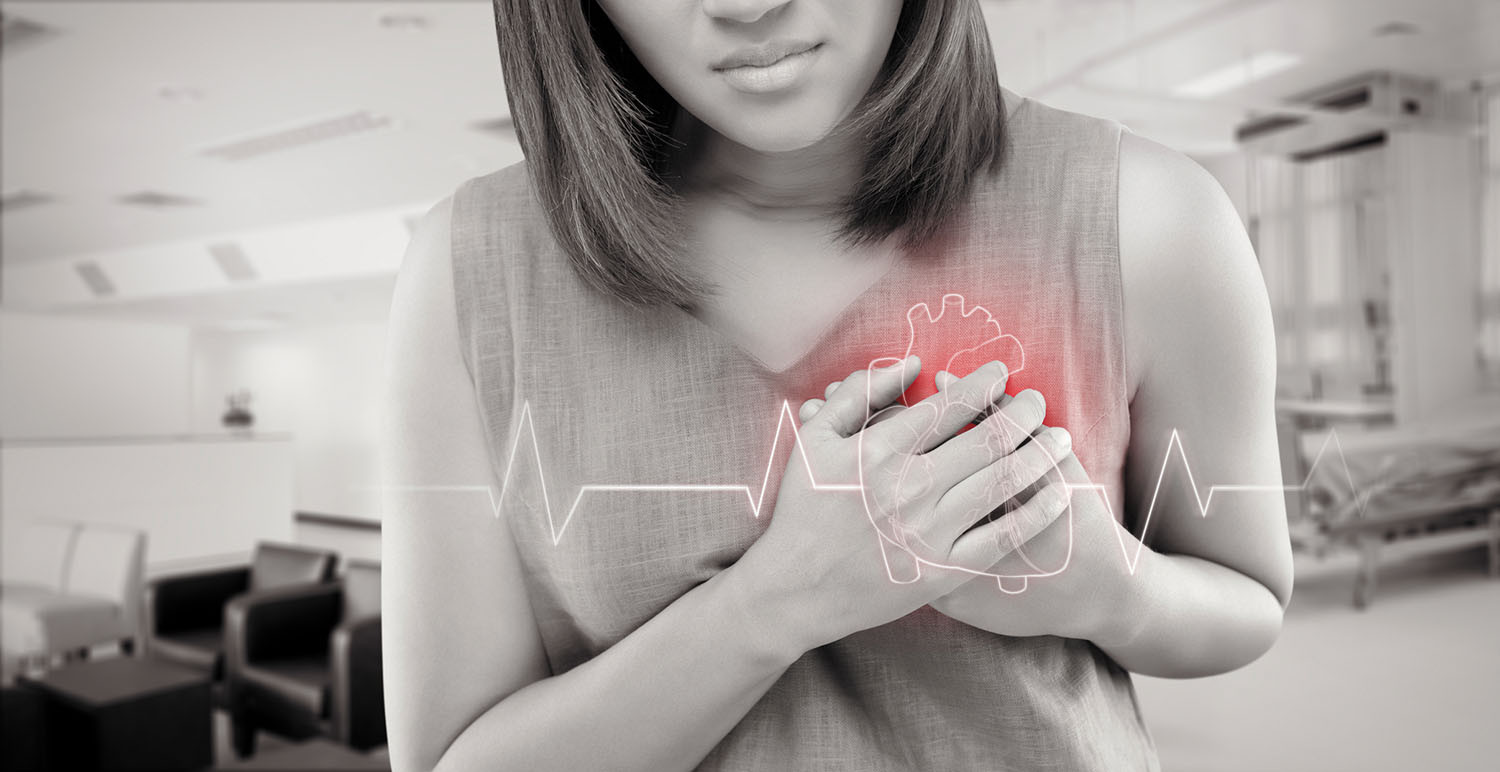
Blockage or no blockage, take heart attacks seriously
Women are at higher risk for heart attacks that don't involve blocked arteries — and they should receive the same follow-up treatment as conventional heart attack patients.
Image: © Tharakorn/Getty Images
For years, people who suffered heart attacks but didn't have major blockages in their arteries — a condition called myocardial infarction with nonobstructive coronary arteries (MINOCA) — were thought to have a less serious form of heart disease. As a result, doctors often opted against aggressive follow-up treatments. But a study published June 15 in the International Journal of Cardiology contributes to the growing body of evidence that MINOCAs merit follow-up treatment.
The study, which looked at data from an online Swedish cardiac registry, found that a quarter of people who were diagnosed with MINOCAs went on to have another major cardiovascular event, such as another heart attack, a stroke, or heart failure. Of the original group of 9,092 people who were diagnosed with MINOCAs (62% of them women), some 2,147 went on to have another cardiovascular event during a follow-up period averaging about 4.5 years.


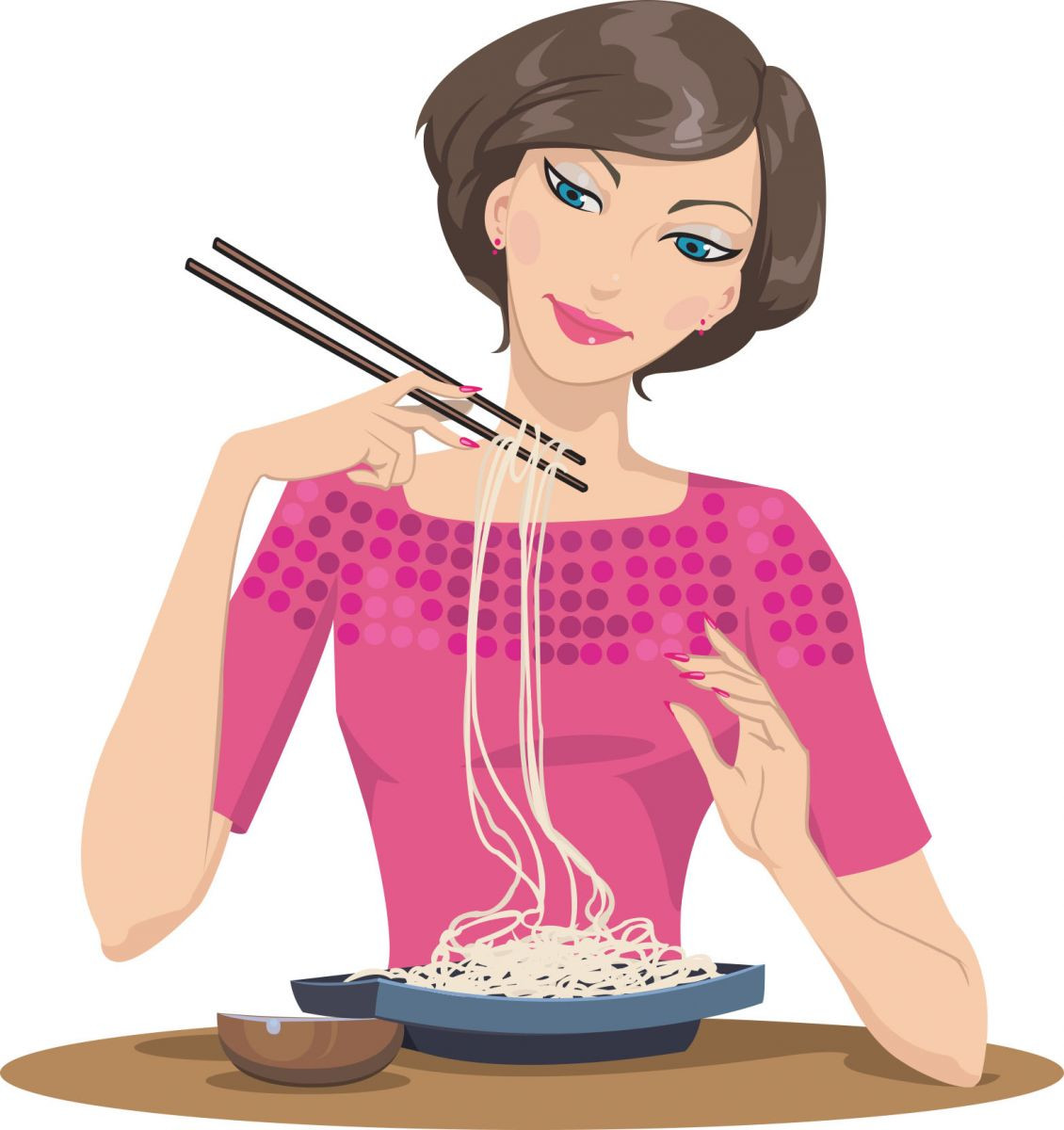
Diet might delay — or hasten — the onset of menopause
How old you are when you go through menopause could be influenced by the foods you eat.
Image: © stepangilev/Getty Images
Could the foods you eat help determine when you start menopause? They might, says a new study published online April 30 by the Journal of Epidemiology and Community Health. Researchers found that women who ate more fish and beans and other legumes started menopause at a later age, while women who ate a diet heavy on refined pasta and rice went through the change earlier.
Why do the results matter?
How old a woman is when she goes through menopause may have implications for her health. Past research has linked certain health risks to menopause that occurs either very early (before age 40) or late (age 55 or older). Going through menopause at an earlier age has been associated with lower bone density and a higher risk for osteoporosis, cardiovascular disease, depression, and — in some instances — premature death.
New blood test guides researchers toward the best treatment for aggressive prostate cancer
Tumors that spread, or metastasize, in the body shed cells into blood that doctors can scrutinize for insights into what a patient’s cancer might do. Analyzing these so-called circulating tumor cells (CTCs) isn’t part of routine care yet, in part because they’re so hard to pick out of the millions of normal cells in a […]

Retirement blues: Taking it too easy can be hard on you
It might seem like retirement is a time to take it easy and devote yourself to gardening, golfing, and napping. But don't take it too easy, say Harvard experts. For optimal well-being, you need to stay engaged — with your own interests as well as with other people.
Making the change
Newly retired men face some typical difficulties. One is creating a new routine after leaving behind the nine-to-five grind. "During that phase of going from a lot of structure to almost no structure, men can exhibit the same signs as someone who is overworked," explains Dr. Randall Paulsen, a psychiatrist at Harvard-affiliated Brigham and Women's Hospital.

5 habits for moms that help prevent childhood obesity
It might be surprising to learn that parents can help fight childhood obesity by taking good care of themselves. A new study found that when mothers follow five healthy lifestyle habits, their kids are much less likely to become obese.
CoQ10: Should you take this popular supplement if you're on a statin?
Microplastics: A hidden health threat?
Oat vs. dairy milk: Nutrition, benefits, and downsides
What is tempeh? Benefits, nutrition, and how to use it
Healing after food poisoning
Children of centenarians may stay healthier and live longer too, study finds
Light exposure at night may raise risk for heart disease
Whole grains may improve several heart risk factors at once
A lumbar belt may help ease low back pain
Signs of pneumonia: Sometimes vague and unexpected
Free Healthbeat Signup
Get the latest in health news delivered to your inbox!
Sign Up
