

CoQ10: Should you take this popular supplement if you're on a statin?

Microplastics: A hidden health threat?

Oat vs. dairy milk: Nutrition, benefits, and downsides

What is tempeh? Benefits, nutrition, and how to use it

Healing after food poisoning

Children of centenarians may stay healthier and live longer too, study finds

Light exposure at night may raise risk for heart disease

Whole grains may improve several heart risk factors at once

A lumbar belt may help ease low back pain

Signs of pneumonia: Sometimes vague and unexpected
Contraception and birth control Archive
Articles

Influential task force issues new recommendations on prostate cancer screening
Back in 2012, the US Preventive Services Task Force (USPSTF) took aim at the prostate-specific antigen (PSA) screening test for prostate cancer with a blanket recommendation against it for all men. This was a big deal. The Task Force is widely seen as the top expert panel on cancer screening in the United States, and […]
Diagnostic MRIs allow some men flagged by PSA screening to avoid a biospy, new study shows
A specialized type of diagnostic MRI scan can reduce the number of invasive prostate biopsies by nearly a third, according to results from a newly published international study. An MRI machine uses a very large magnet, a radio-wave transmitter, and a computer to construct detailed pictures of structures inside the body. The new study relied […]

Blood pressure goals: How low should you go?
Surprising new normal, healthy blood pressure for men by age
What's good blood pressure for men by ages? As many as three-quarters of men over 65 have high blood pressure. Many end up taking medication to prevent heart attacks, heart failure, stroke, kidney failure, and erectile dysfunction.
For most people with blood pressure clearly in the red zone, getting their numbers below 140/90 millimeters of mercury (mm Hg) is a reasonable goal. However, in December 2013, a panel of experts convened by the National Institutes of Health (NIH) released a recommendation that people over age 60 with high blood pressure could settle for a goal of 150/90—not the more stringent standard of 140/90—and still get health benefits. The American Heart Association rejected the idea, and five of the 17 members on the NIH panel later publicly dissented with the majority opinion. The debate continues.

MRI may reduce unnecessary prostate biopsies
In the journals
Only a biopsy can determine for certain whether prostate cancer is present, but a new study suggests that using magnetic resonance imaging (MRI) can help to better identify patients who are more likely to need a biopsy versus those who aren't.
The study, published online Feb. 22, 2018, by JAMA Oncology included 651 men screened for prostate cancer with blood tests and digital rectal exams. Everyone underwent three procedures: an MRI scan, a biopsy guided by transrectal ultrasound (TRUS), and a biopsy guided by both MRI and TRUS.

Repaying your sleep debt
Why sleep is important to your health and how to repair sleep deprivation effects.
If sleep were a credit card company, many of us would be in deep trouble.
Medical evidence suggests that for optimum health and function, the average adult should get seven to nine hours of sleep daily. But more than 60% of women regularly fall short of that goal. Although each hour of lost slumber goes into the health debit column, we don't get any monthly reminders that we've fallen in arrears.
Bioidentical hormones: Help or hype?
Do these heavily promoted hormones justify the claims made for them?
"Bioidentical" hormones have been promoted as safer and more effective than FDA-approved hormones. The exaggerated claims go beyond relief of menopausal symptoms, suggesting they are a veritable fountain of youth.
It's understandable that women would be interested in a different approach now that long-term use of conventional hormone therapy (HT) does not prevent cardiovascular disease as researchers had hoped.
Clinicians sometimes misread heart attack symptoms in women
Research we're watching
Doctors may be more likely to dismiss heart attack symptoms as not heart-related in women younger than age 55, according to a study published online Feb. 20, 2018, by Circulation. This may be the case because women often report other symptoms in addition to chest pain, said the study's authors.
The researchers interviewed more than 2,000 women and 976 men ages 18 to 55 who were hospitalized for a heart attack — what doctors call acute myocardial infarction (AMI) — at 100 hospitals that are participating in a study. They found that both men and women reported chest pain and pressure, but women were more likely to have other symptoms as well, such as pain in the jaw, neck, and arms; indigestion; or shortness of breath. In addition, women were more likely than men to tell their doctors that they thought the symptoms might be stress-related.
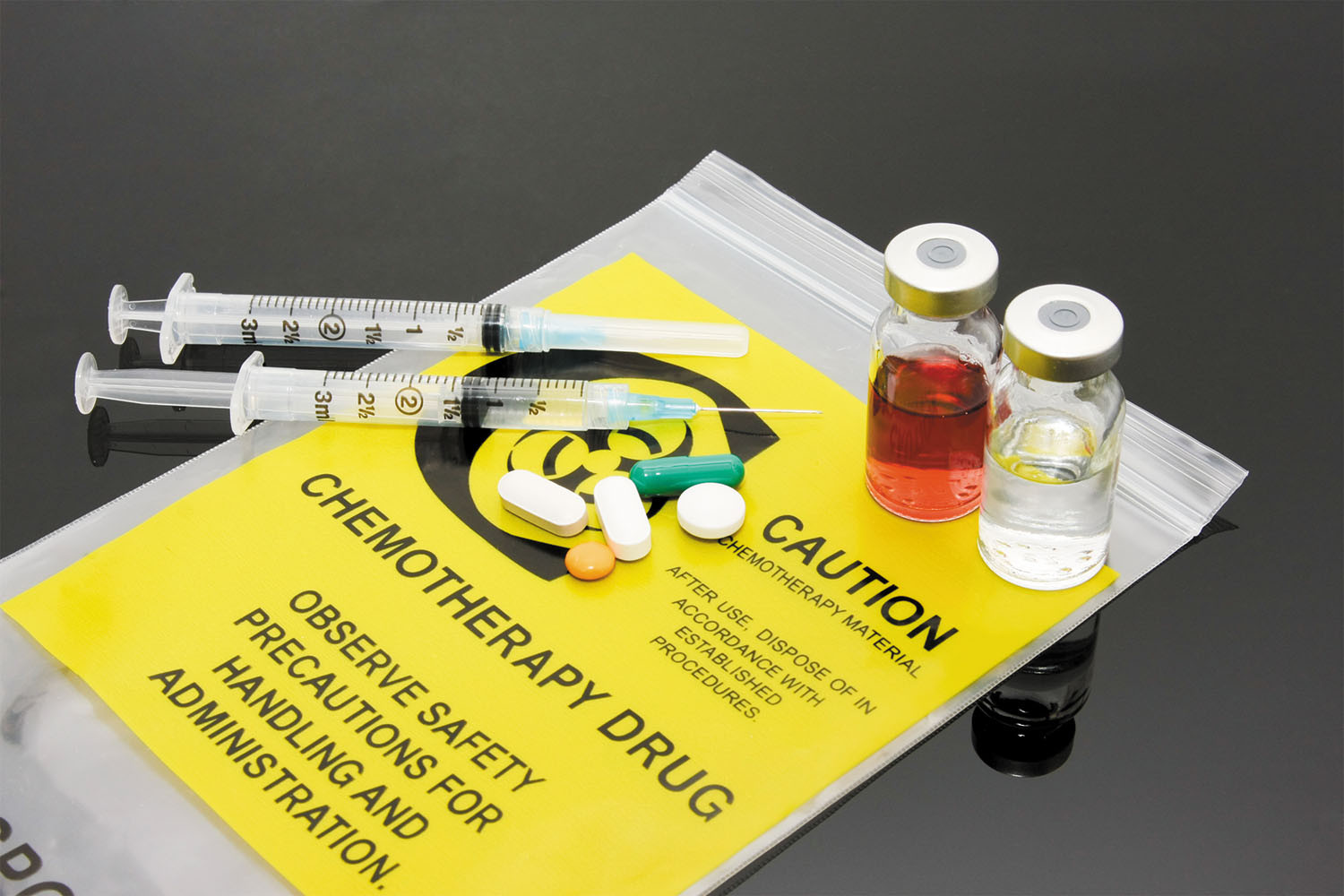
Treatments for breast cancer may harm the heart
But surveillance and other strategies — especially exercise — can limit the risk.
Image: © Khuong Hoang/Getty Images
Better treatments for breast cancer have contributed to the growing number of breast cancer survivors, now about three million in the United States. However, these women may face a heightened risk of heart disease from the cardiotoxic effects of chemotherapy and radiation, according to a statement from the American Heart Association in the Feb. 20, 2018, issue of Circulation.
Doctors have long known that certain cancer drugs can decrease the heart's pumping ability, especially doxorubicin (Adriamycin) and trastuzumab (Herceptin), two common treatments for breast cancer. Many women receive radiation therapy as well, which can cause heart tissue to scar or stiffen, possibly leading to valve disorders, coronary artery disease, or other heart problems. But specialists who focus on keeping the heart healthy during and after cancer treatment — known as cardio-oncologists — can offer strategies to both prevent and treat heart damage from cancer therapy.


CoQ10: Should you take this popular supplement if you're on a statin?
Microplastics: A hidden health threat?
Oat vs. dairy milk: Nutrition, benefits, and downsides
What is tempeh? Benefits, nutrition, and how to use it
Healing after food poisoning
Children of centenarians may stay healthier and live longer too, study finds
Light exposure at night may raise risk for heart disease
Whole grains may improve several heart risk factors at once
A lumbar belt may help ease low back pain
Signs of pneumonia: Sometimes vague and unexpected
Free Healthbeat Signup
Get the latest in health news delivered to your inbox!
Sign Up
