

CoQ10: Should you take this popular supplement if you're on a statin?

Microplastics: A hidden health threat?

Oat vs. dairy milk: Nutrition, benefits, and downsides

What is tempeh? Benefits, nutrition, and how to use it

Healing after food poisoning

Children of centenarians may stay healthier and live longer too, study finds

Light exposure at night may raise risk for heart disease

Whole grains may improve several heart risk factors at once

A lumbar belt may help ease low back pain

Signs of pneumonia: Sometimes vague and unexpected
Contraception and birth control Archive
Articles

Men (back) at work
Recreating the workplace dynamics helps older men strengthen their social bonding and thinking skills.
<Image: © Highwaystarz-Photography/Thinkstock/p>
Men who retire are often happy to leave behind their work life, but one aspect they still need is the workplace's packlike male bonding. Group lunches, team projects, watercooler banter — all these help men establish social connections that keep their brains and bodies active and healthy.
"Women tend to make friends across their life span, while men acquire friends in clumps through shared experiences like sports, the military, and work," says Dr. Richard S. Schwartz, a psychiatrist with Harvard-affiliated McLean Hospital. "When one source is eliminated, men tend to lose some of those friends over time and have to find other ways to connect with people and fill those missing gaps."

Men may want to rethink surgery for early-stage prostate cancer
In the journals
Observation only may be the best medicine for men with early-stage prostate cancer, suggests a 20-year study published online July 13, 2017, by The New England Journal of Medicine. Early-stage prostate cancer means the cancer is small, confined to the prostate gland, and can only be detected with a biopsy.
Researchers randomly assigned 731 men, average age 67, with localized prostate cancer to receive either surgery or observation only. At the 20-year follow-up, 62% of the men who had prostate cancer surgery had died of other causes, while only 7% died from prostate cancer. In comparison, 67% of the men assigned to observation died from other causes and 11% from prostate cancer. The absolute differences in mortality were not significant.
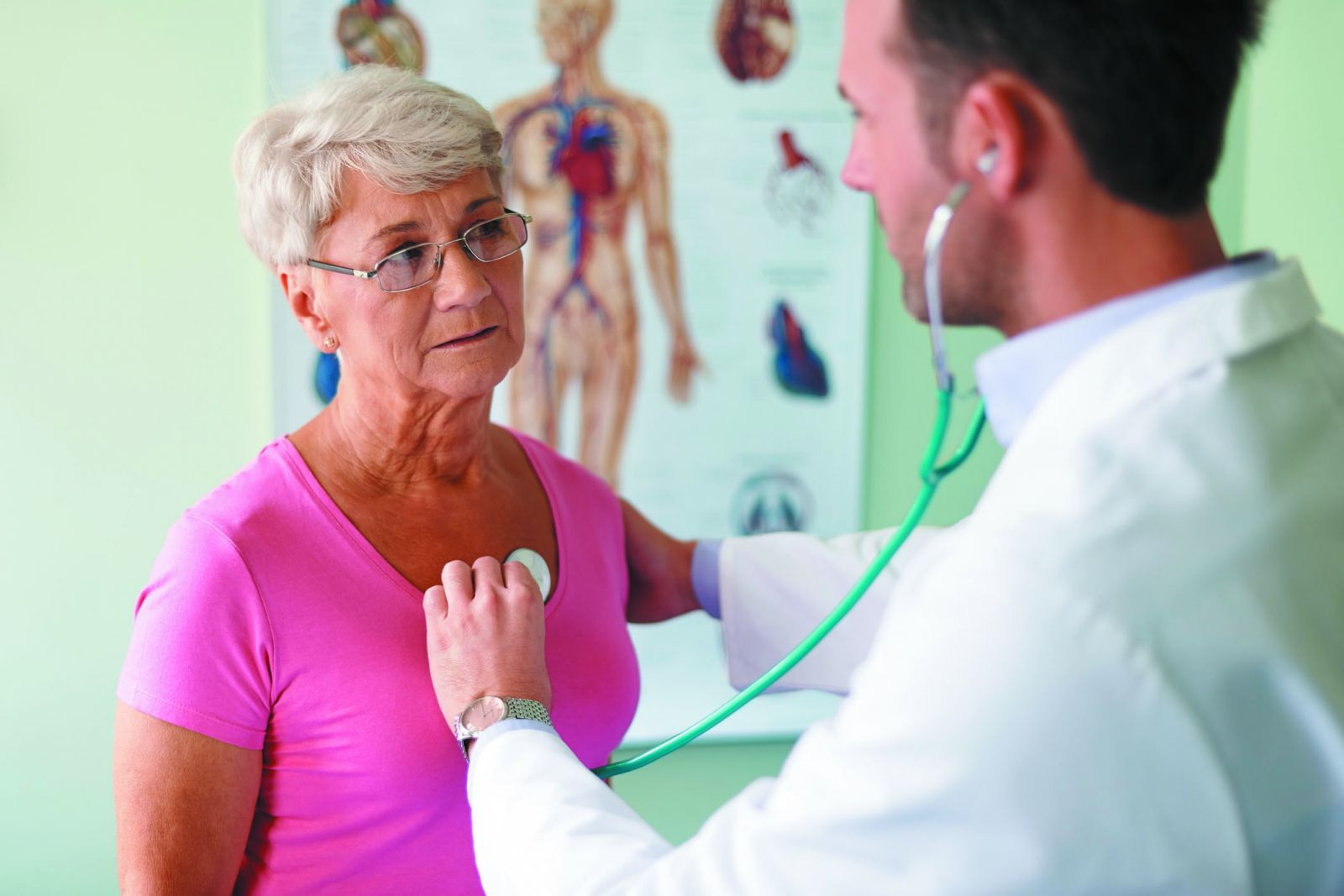
Don’t underestimate your heart risks
Start a conversation with your doctor about your risk factors.
Image: © gpointstudio/Thinkstock
Statistically speaking, your heart is the biggest threat to your health. In 2014, more women died from cardiovascular disease than from cancer, chronic lung disease, and diabetes combined, according to the American Heart Association (AHA).
But have you talked with your doctor about your risk factors? Many women haven't, according to a pair of surveys published in the June issue of the Journal of the American College of Cardiology (JACC). The surveys also show that this top-ranked threat to women's health isn't getting nearly the attention it deserves from many women and their doctors.


Is my bruising normal?
Ask the doctors
Q. I've found that I bruise more easily as I've gotten older. Is that normal?
A. If you're noticing more black-and-blue marks on your body, it's most likely not a skin or blood problem. Age-related changes to your skin and underlying blood vessels can make you more prone to bruising.

An aspirin a day for your health?
A daily low-dose aspirin may help prevent stroke and certain cancers, but the therapy carries certain risks you'll want to discuss with your physician.
It used to be that you would reach for an aspirin only if you had a headache or an achy joint, but current research shows that low doses of the drug may reduce your risk of stroke and even help prevent colorectal cancer.
So, does this mean you should head to the pharmacy, grab a bottle, and pop a tablet every morning to ward off disease? The short answer is, maybe — but only after you have a detailed conversation with your doctor about the potential benefits and risks. A low-dose aspirin regimen is certainly not appropriate for every woman.
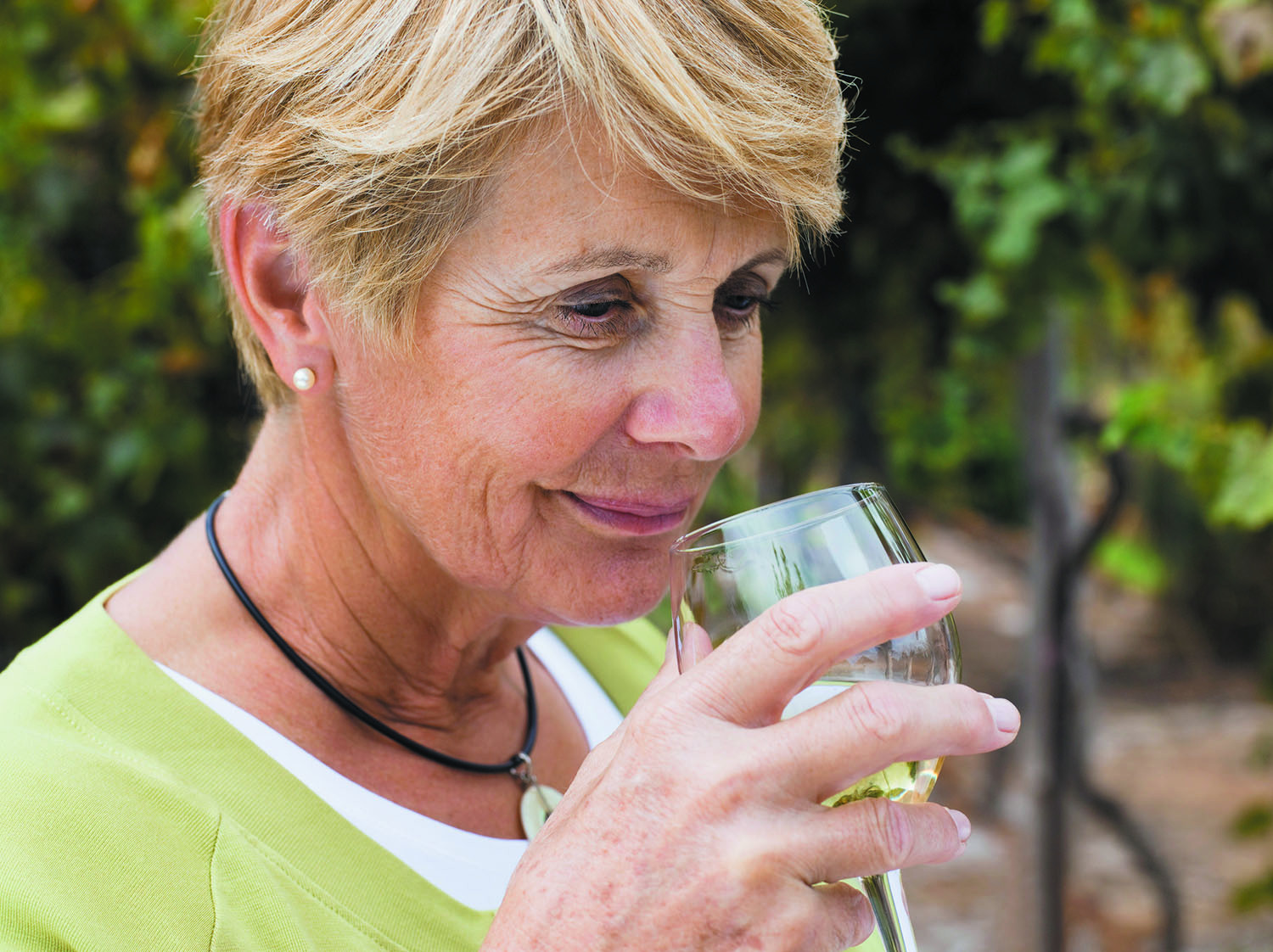
Gender equality? Not when it comes to alcohol and the brain
Gender differences in the brain's reward system could mean that women who need help kicking alcohol may need different types of treatment.
Image: © Jupiterimages/Thinkstock
Men and women aren't created equal — at least when it comes to drinking alcohol. If you drink a glass of wine, you will typically have a higher blood alcohol level than a man who drinks the same amount, because of differences in the way your body processes alcohol. And if you drink more than the recommended amount, you may also be more susceptible to health problems — including liver disease and brain changes — than a man who does the same.
A new study from researchers at Harvard-affiliated Massachusetts General Hospital and Boston University has added another potential concern to that list, by showing that alcoholism may also have different effects on the reward systems in men's and women's brains.

Can I still run after a hip replacement?
On call
Image: © Ridofranz/Thinkstock
Q. I was an active runner before my hip replacement. Is it okay to return to jogging several times a week?
A. Hip replacements help relieve pain and improve function for people with worn-out hip joints. However, replacement joints also can wear out over time and require what's called a revision surgery. Therefore, activities that may increase stress or wear on the joint are often discouraged.
Is it normal to lose my sense of smell as I age?
On call
Q. I am 72, and over the past year I have begun to lose my sense of smell. Is this a normal part of aging?
A. Some loss of sensitivity to smells — also known as anosmia — is normal as we get older, but there may be another explanation. The ability to smell depends on a healthy lining of the nasal cavity, open nasal passageways, and normal function of the olfactory (smell) nerves. A problem with one or more of these can lead to loss of smell. The most common causes are nasal problems, like nasal polyps, blocked sinuses, and seasonal allergies. These can be detected by a routine examination, although you may need to see an ear, nose, and throat specialist for a more extensive exam.
CoQ10: Should you take this popular supplement if you're on a statin?
Microplastics: A hidden health threat?
Oat vs. dairy milk: Nutrition, benefits, and downsides
What is tempeh? Benefits, nutrition, and how to use it
Healing after food poisoning
Children of centenarians may stay healthier and live longer too, study finds
Light exposure at night may raise risk for heart disease
Whole grains may improve several heart risk factors at once
A lumbar belt may help ease low back pain
Signs of pneumonia: Sometimes vague and unexpected
Free Healthbeat Signup
Get the latest in health news delivered to your inbox!
Sign Up
