

CoQ10: Should you take this popular supplement if you're on a statin?

Microplastics: A hidden health threat?

Oat vs. dairy milk: Nutrition, benefits, and downsides

What is tempeh? Benefits, nutrition, and how to use it

Healing after food poisoning

Children of centenarians may stay healthier and live longer too, study finds

Light exposure at night may raise risk for heart disease

Whole grains may improve several heart risk factors at once

A lumbar belt may help ease low back pain

Signs of pneumonia: Sometimes vague and unexpected
Contraception and birth control Archive
Articles
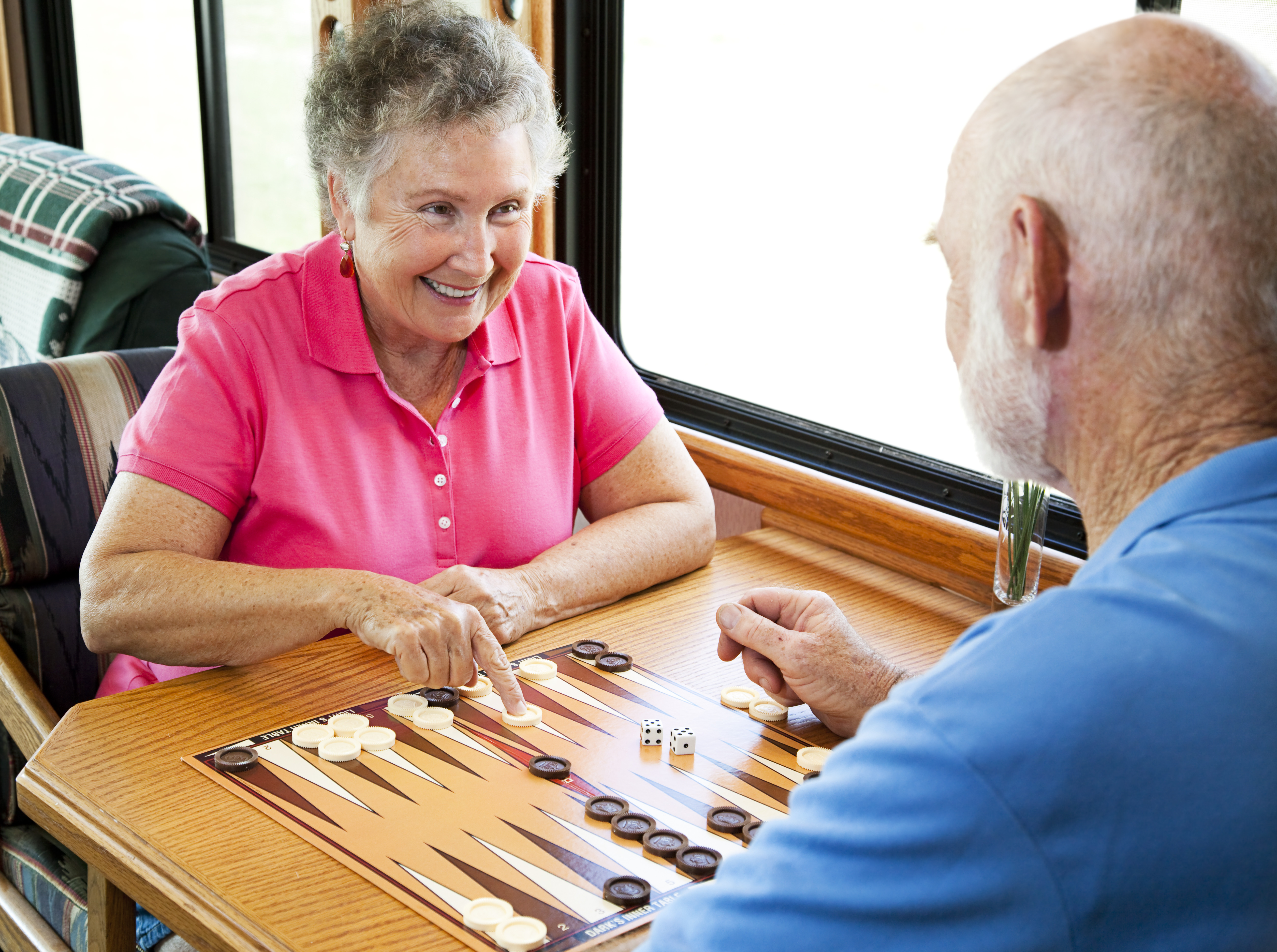
Want a sharp mind, strong memory? Ramp up activities
Research shows that older people who are socially engaged and keep their minds active are more likely to remain mentally sharp. But what specific activities should people do? And does it matter if they start late in life or sooner?
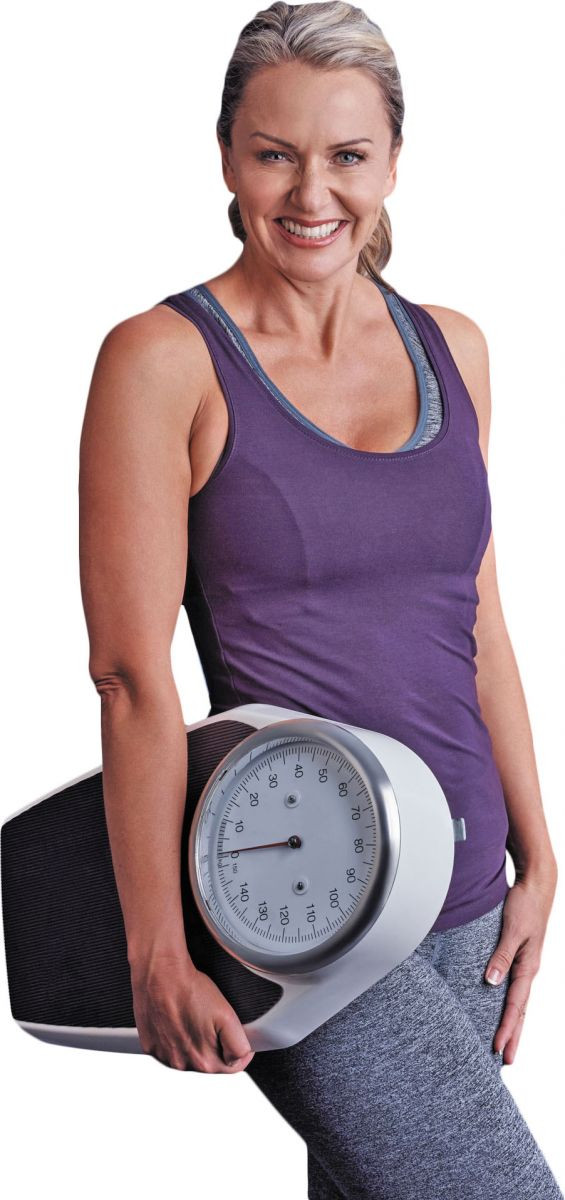
Winning the weight battle after menopause
Lifestyle changes may not always be enough to control biologically driven body changes.
You spend hours in the gym every day. You eat nothing but grilled chicken, fish, and salads. Yet the numbers on the scale don't budge — or worse, they slowly creep up, along with your waist measurement.
Welcome to menopause.
"The change" actually does bring changes for many women, including weight gain that can resist even the most diligent efforts to reverse it, says Dr. Fatima Cody Stanford, instructor in medicine at Harvard Medical School.

Are erectile dysfunction pills safe for men with heart disease?
In men without cardiovascular disease, erectile dysfunction (ED) pills are safe. The three rivals -- Viagra, Cialis, Levitra and Stendra-- have similar side effects, including headache, facial flushing, nasal congestion, diarrhea, backache, and, in a few Viagra or Levitra users, temporary impaired color vision (men with retinitis pigmentosa, a rare eye disease, should check with their ophthalmologists before using these medications).
Headaches and blue vision are one thing, cardiac abnormalities, quite another. Are ED pills safe for the heart?

From Brexit to TRexit: Transperineal biopsies pose a challenge to the traditional transrectal biopsy method
By now most of us are familiar with Brexit, the UK’s pending divorce with the European Union. But in a play on that term, British doctors are also moving towards an exit they’ve dubbed “TRexit” from the most common sort of prostate biopsy: the transrectal ultrasound guided biopsy, or TRUS. Men who test positive on […]

HPV vaccine: A vaccine that works, and one all children should get
Human papilloma virus (HPV) causes about 40,000 cases of cancer every year. A long-term study of the HPV vaccine finds it offers protection against many strains of the virus, yet many teens haven’t had this safe, effective vaccine.
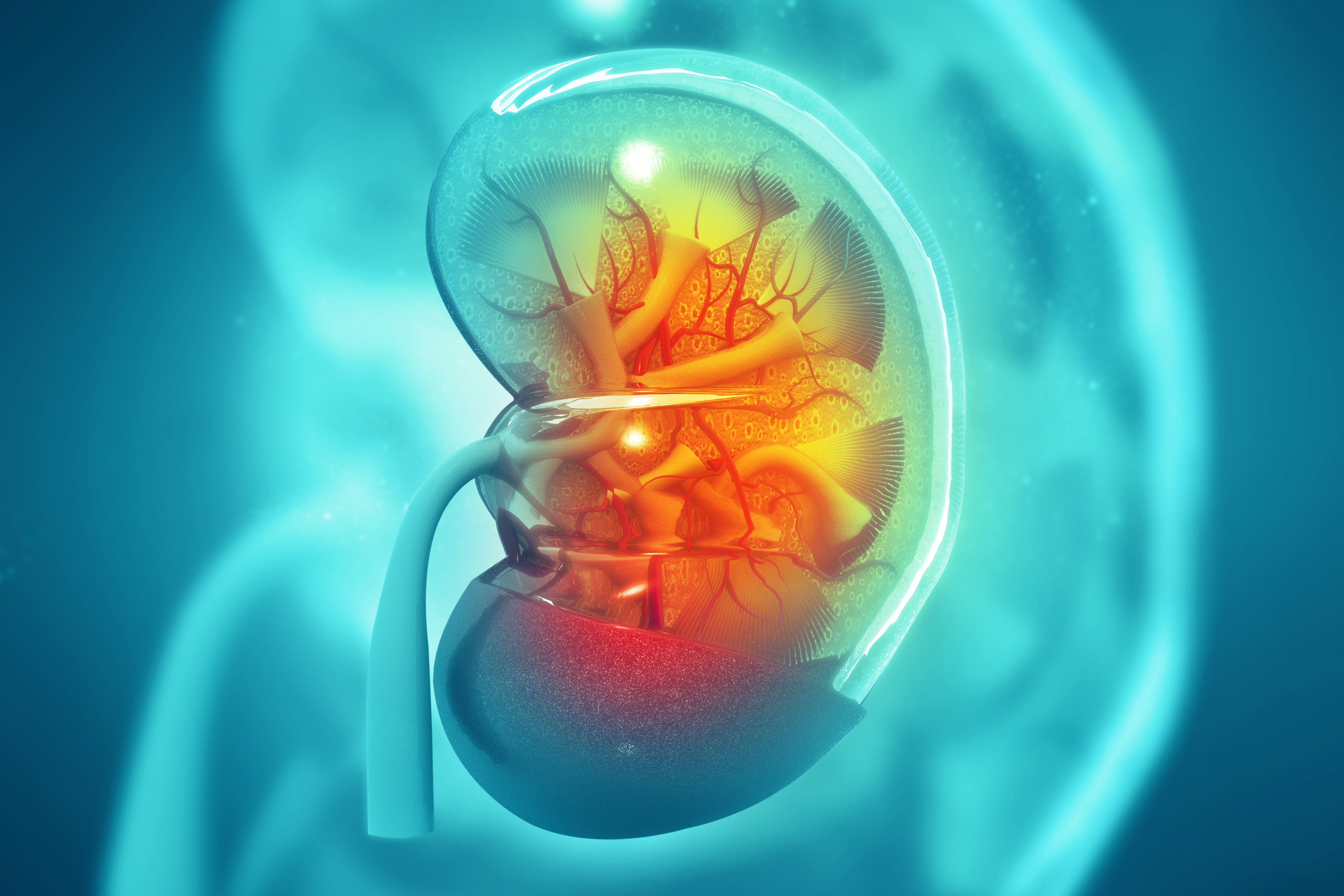
Kidney stones: What are your treatment options?
There are several treatment options for kidney stones. Which is best for you may depend on size and number of stones and their location in the kidney. Imaging and blood tests can help your doctor determine the right course of treatment.
A new therapy for osteoporosis: Romosozumab
Osteoporosis affects 10 million people in the United States, the majority of them women. Romosozumab is a new type of medication for treating osteoporosis that offers another treatment option for some women after menopause.

10,000 steps a day — or fewer?
If you’re trying to take 10,000 steps a day, it can be discouraging to miss that well-known target. But why is 10,000 steps the goal? And is it really necessary to take that many steps every day?

4 behavioral changes to tame urinary incontinence
The discomfort and potential embarrassment of urinary incontinence keeps many people from the activities they enjoy, but some simple behavioral changes can improve bladder control.

CoQ10: Should you take this popular supplement if you're on a statin?
Microplastics: A hidden health threat?
Oat vs. dairy milk: Nutrition, benefits, and downsides
What is tempeh? Benefits, nutrition, and how to use it
Healing after food poisoning
Children of centenarians may stay healthier and live longer too, study finds
Light exposure at night may raise risk for heart disease
Whole grains may improve several heart risk factors at once
A lumbar belt may help ease low back pain
Signs of pneumonia: Sometimes vague and unexpected
Free Healthbeat Signup
Get the latest in health news delivered to your inbox!
Sign Up
