

CoQ10: Should you take this popular supplement if you're on a statin?

Microplastics: A hidden health threat?

Oat vs. dairy milk: Nutrition, benefits, and downsides

What is tempeh? Benefits, nutrition, and how to use it

Healing after food poisoning

Children of centenarians may stay healthier and live longer too, study finds

Light exposure at night may raise risk for heart disease

Whole grains may improve several heart risk factors at once

A lumbar belt may help ease low back pain

Signs of pneumonia: Sometimes vague and unexpected
Contraception and birth control Archive
Articles

Straight talk about your new sex life
Communication between you and your partner can help create a happier and healthier love life.
You had your first sex talk when you were young, but now that you're older, it's time for another one.
"Men and women go through all kinds of physical and emotional changes as they age that can affect their sex life as well as their relationship," says Dr. Sharon Bober, director of the Sexual Health Program at Harvard-affiliated Dana-Farber Cancer Institute. "These changes sometimes feel embarrassing or are difficult to talk about. But communicating about your changes — and your partner's — can help couples find solutions and common ground, as they enter this new and potentially exciting phase of their sex lives."

Will my endometriosis go away after menopause?
Ask the doctors
Q. I've had endometriosis since I was in my 30s. I'm now approaching menopause. Will my symptoms get better or even go away after menopause?
A. Possibly, but not always. Endometriosis is a condition in which tissue that resembles the tissue that lines the uterus, called endometrial tissue, grows in other locations inside the body. Typically, it grows on structures and organs in the pelvis, such as the ovaries, fallopian tubes, bladder, or bowels. When a woman menstruates, this tissue behaves like the lining of the uterus and bleeds. But because this blood has no way to exit the body, it pools inside. This leads to pain, inflammation, and scarring.
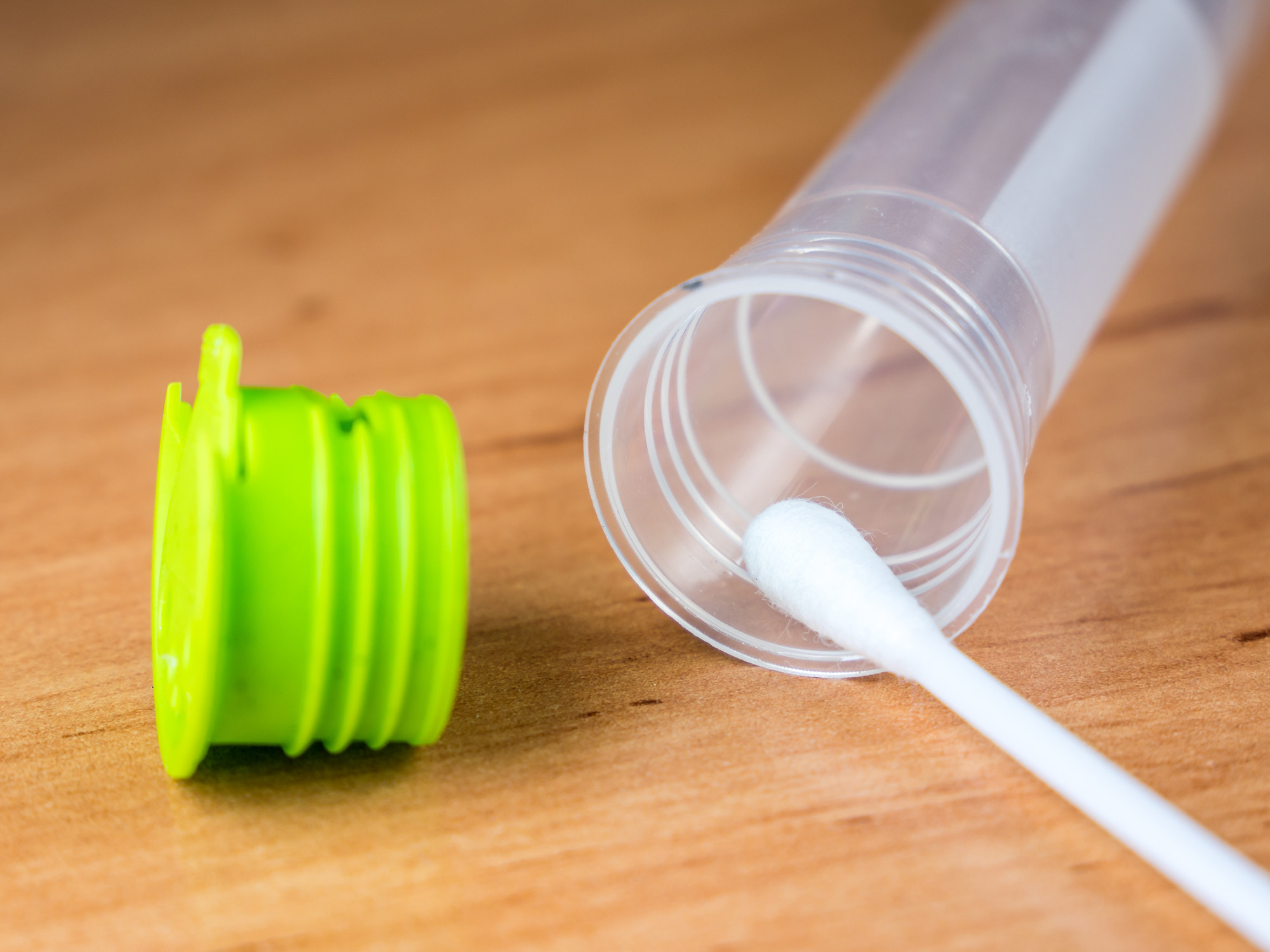
What donor offspring seek when they do DNA testing
Readily available DNA testing unexpectedly changed some family trees. But people who grew up knowing –– or recently learned –– they were donor-conceived may have differing reasons for wanting to better understand their personal stories.
Common hormonal treatments linked to abnormal heart rhythms and sudden death in men being treated for prostate cancer
Treatments for advanced prostate cancer that suppress testosterone, a hormone (also called an androgen) that drives the malignant cells to grow and spread, are collectively referred to as androgen deprivation therapies, or ADT. These therapies can significantly extend lifespans in men who have the disease, but they also have a range of challenging side effects. […]

An enlarged prostate gland and incontinence
Some men with an enlarged prostate gland (benign prostatic hyperplasia, or BPH for short) eventually start to experience urinary incontinence, the involuntary discharge of urine. The incontinence can be related to overactive bladder, one of the changes in bladder function caused by BPH.
Normally, the brain says "time to go" when your bladder is only partially full. That gives you a fair warning to find a place to relieve yourself. When you decide to let go, a valve called the urinary sphincter opens to allow the bladder to drain. Muscles in the bladder wall squeeze inward to empty the storage tank.

A new drug for low sexual desire in women: Bremelanotide
The FDA approved a new medication that may help some women experiencing low sexual desire, but there are restrictions on who can take it, and side effects to consider.
Are calcium deposits in the prostate a sign of cancer?
On call
Q. I've heard that calcium deposits can form in the prostate gland. What are they, and can they indicate cancer?
A. Calcium deposits can occur anywhere in the body; however, they often appear where there has been an injury, infection, or inflammation. Calcium deposits also can be seen with some types of cancer. When calcium deposits appear within the breast on a mammogram or in the lungs on a chest x-ray, their pattern helps the radiologist interpret the results. Certain patterns suggest possible cancer.

Body fat may predict aggressive prostate cancer
In the journals
Excess weight not only raises your risk of prostate cancer, it can also mean more aggressive and fatal cancer, according to a study published online June 10, 2019, by Cancer.
Scientists found that the accumulation of visceral fat (the hidden kind that lies deep in the abdomen and surrounds the major organs) and subcutaneous fat in the thighs (which lies just under the skin) were both associated with a greater chance of developing advanced prostate cancer as well as dying from the disease.

Simple ways to wake up your workout
Avoid boredom and boost the benefits you gain from exercise with these simple tips to wake up your weight or treadmill workout.
Popular drugs used for treating enlarged prostates associated with high-grade prostate cancer
If a man has an enlarged prostate, there’s a good chance he’ll be treated with a type of drug called a 5-alpha reductase inhibitor (5-ARI). These drugs shrink the gland to improve urinary flow, and the approved forms used for treating enlarged prostates come in two varieties: Proscar (finasteride) and Avodart (dutasteride). However, a side […]
CoQ10: Should you take this popular supplement if you're on a statin?
Microplastics: A hidden health threat?
Oat vs. dairy milk: Nutrition, benefits, and downsides
What is tempeh? Benefits, nutrition, and how to use it
Healing after food poisoning
Children of centenarians may stay healthier and live longer too, study finds
Light exposure at night may raise risk for heart disease
Whole grains may improve several heart risk factors at once
A lumbar belt may help ease low back pain
Signs of pneumonia: Sometimes vague and unexpected
Free Healthbeat Signup
Get the latest in health news delivered to your inbox!
Sign Up
