

CoQ10: Should you take this popular supplement if you're on a statin?

Microplastics: A hidden health threat?

Oat vs. dairy milk: Nutrition, benefits, and downsides

What is tempeh? Benefits, nutrition, and how to use it

Healing after food poisoning

Children of centenarians may stay healthier and live longer too, study finds

Light exposure at night may raise risk for heart disease

Whole grains may improve several heart risk factors at once

A lumbar belt may help ease low back pain

Signs of pneumonia: Sometimes vague and unexpected
Contraception and birth control Archive
Articles

Marriage and men's health
Both married men and unmarried men of a certain age, may remember the tune, if not the words:
Love and marriage, love and marriage,
Go together like a horse and carriage.
This I tell you, brother,
You can't have one without the other.

Big jump in active surveillance for low-risk prostate cancer
News briefs
New findings show a dramatic increase in the number of men taking a conservative approach to low-risk prostate cancer. According to a Harvard-led study published Feb. 19, 2019, in JAMA, use of active surveillance — which involves monitoring the cancer and delaying treatment unless it progresses — almost tripled from 2010 to 2015. The data come from the records of 165,000 men with prostate cancer. Researchers found that among men with low-risk prostate cancer (slow-growing cancer that's not considered life-threatening), active surveillance jumped from 15% in 2010 to 42% in 2015, surgery fell from 47% to 31%, and radiation dropped from 38% to 27%. Other studies also have also shown increasing rates of active surveillance in low-risk cases.
Why the shift? The authors point to national guidelines that now recommend active surveillance in such cases, as well as favorable research findings. "Emerging evidence has shown that active surveillance for low-risk prostate cancer is an effective alternative to surgery or radiation, associated with similar and excellent chances at long-term survival," notes Dr. Brandon Mahal, the study's lead author and a radiation oncologist with Harvard-affiliated Dana-Farber/Brigham and Women's Cancer Center.

Newer breast screening technology may spot more cancers
Digital breast tomosynthesis may also reduce the number of unnecessary and nerve-racking callbacks for additional testing.
If you're in your 40s, you may want to consider switching from digital mammography to digital breast tomosynthesis (DBT) for your next breast cancer screening, say the authors of a study published online February 28 by JAMA Oncology.
A review of more than 170,000 screening mammograms using the two technologies determined that DBT — sometimes referred to as 3D mammography — did a better job at accurately detecting cancers in women of all ages. The advantages were most pronounced for women in their 40s. DBT was also better at finding cancers in women with high breast density, which can make cancers more difficult to spot on screening exams. High density indicates a larger proportion of active tissue in the breast and is a risk factor for breast cancer.


Can blood pressure medications interfere with my sex drive?
On call
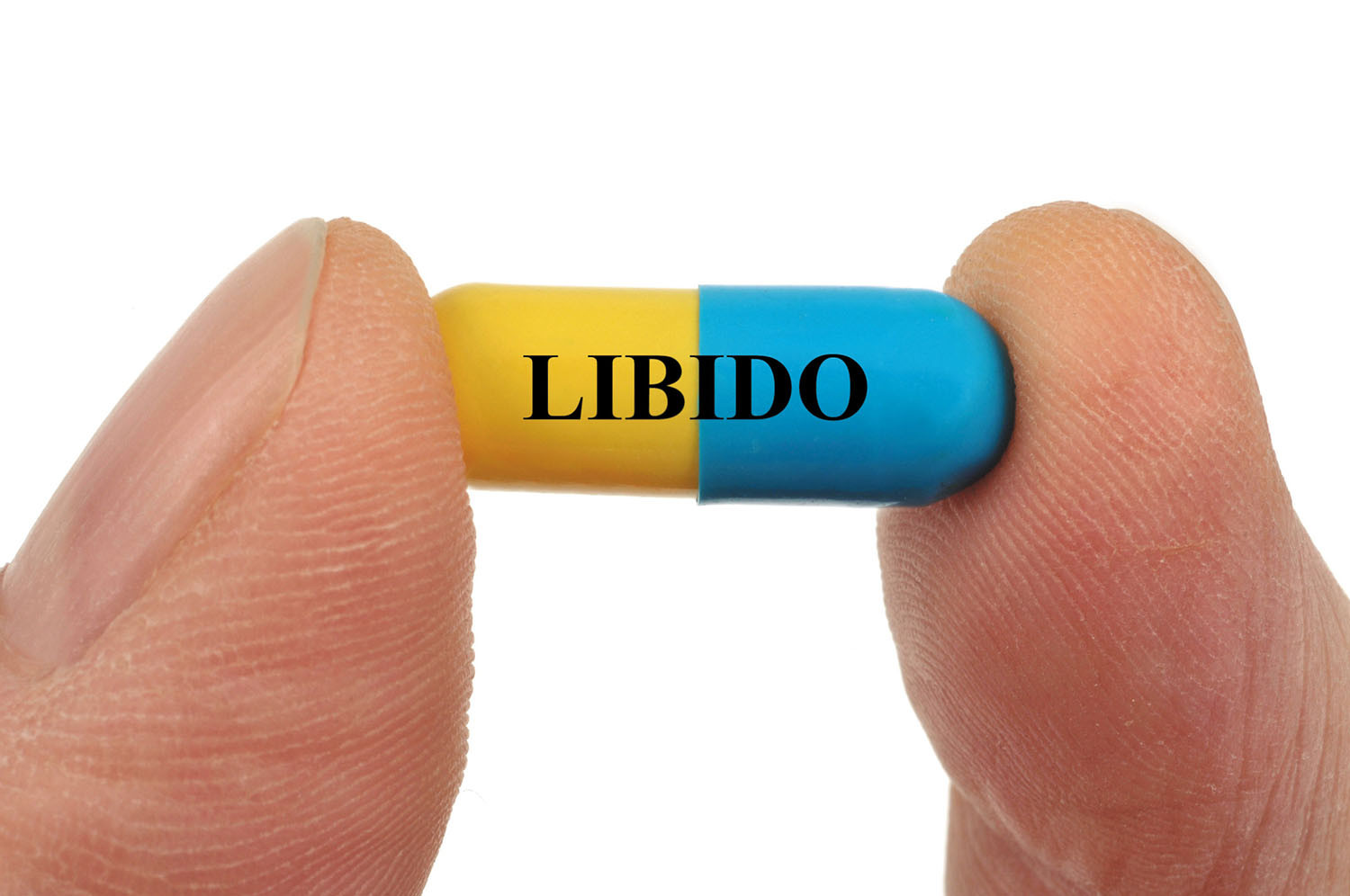
Q. I know that erectile dysfunction can be a common side effect of blood pressure medications, but can they also lower my sex drive?
A. Sexual issues are a side effect of many medications, including ones prescribed to lower blood pressure. You're correct that erectile dysfunction (ED) is mentioned most frequently. But blood pressure medicines also can decrease sexual drive or make it more difficult to reach orgasm.
Taking osteoporosis drugs shouldn't prevent you from getting oral surgery
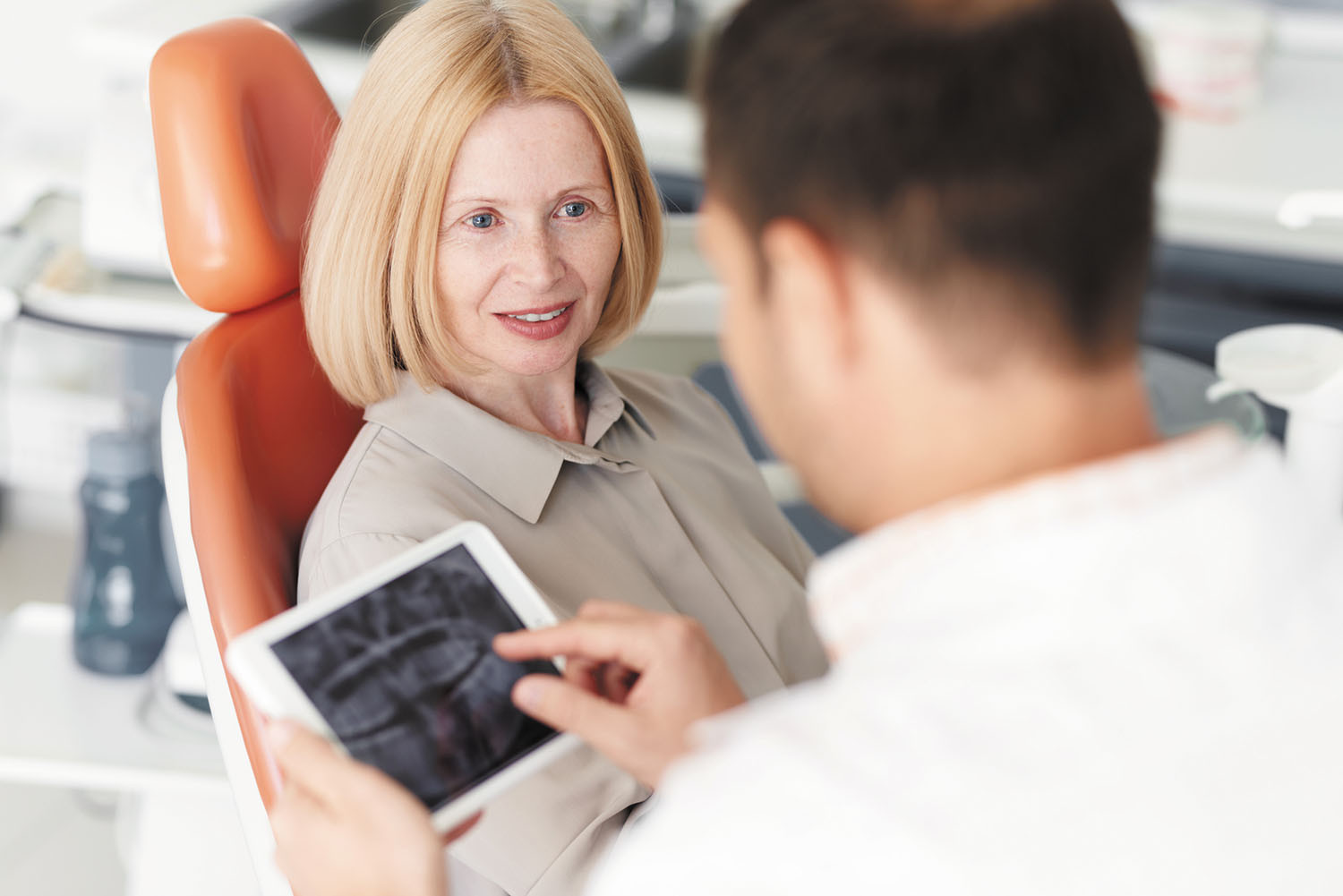
A drug holiday is one recommendation to reduce the risk of a rare bone condition that affects the jaw.
A dentist refers a woman to an oral surgeon because she needs a tooth pulled. But upon reviewing her chart, the oral surgeon turns her away.
The reason? She's taking a common medication to treat her osteoporosis, a condition that causes bones to become thin, brittle, and prone to fracture.

Does endometriosis increase cancer risk?
Ask the doctors
Q. I have endometriosis, and I recently heard that it might increase my risk of certain cancers. Is this true?
A. Researchers have linked endometriosis, an often painful condition that causes endometrial-like tissue to grow outside the uterus, to a higher risk of two types of ovarian cancer — endometrioid and clear-cell subtypes. That said, even though your risk of these cancers may be higher than that of the average woman who doesn't have endometriosis, your chances of developing one of these cancers is still very small — less than 1%.

Infertility: Extra embryos –– too much of a good thing?
People attempting to conceive through in vitro fertilization may face the question of what to do with extra embryos, especially if they reach a point where they feel their family is complete.
By the way, doctor: What can I do about strep B vaginitis?
Q. I'm 61 and recently began to have a vaginal discharge. It's not itchy, but sexual intercourse is painful. My doctor diagnosed it as strep B vaginitis and prescribed amoxicillin, which helped. But the discharge returned within a week. What do you recommend?
A. Some vaginal discharge is normal. It helps to protect against vaginal infections and provides lubrication for the vaginal tissues. The discharge consists of vaginal skin cells, mucus, and fluid, as well as Candida (a type of yeast) and vaginal flora, the bacteria normally found in the vagina. Strep B, or group B streptococcus, is one possible constituent of the vaginal flora. Most of the time, vaginal flora and Candida co-exist peacefully. But a change in the balance and in vaginal pH (acidity) may result in vaginal inflammation, or vaginitis.
CoQ10: Should you take this popular supplement if you're on a statin?
Microplastics: A hidden health threat?
Oat vs. dairy milk: Nutrition, benefits, and downsides
What is tempeh? Benefits, nutrition, and how to use it
Healing after food poisoning
Children of centenarians may stay healthier and live longer too, study finds
Light exposure at night may raise risk for heart disease
Whole grains may improve several heart risk factors at once
A lumbar belt may help ease low back pain
Signs of pneumonia: Sometimes vague and unexpected
Free Healthbeat Signup
Get the latest in health news delivered to your inbox!
Sign Up
