

CoQ10: Should you take this popular supplement if you're on a statin?

Microplastics: A hidden health threat?

Oat vs. dairy milk: Nutrition, benefits, and downsides

What is tempeh? Benefits, nutrition, and how to use it

Healing after food poisoning

Children of centenarians may stay healthier and live longer too, study finds

Light exposure at night may raise risk for heart disease

Whole grains may improve several heart risk factors at once

A lumbar belt may help ease low back pain

Signs of pneumonia: Sometimes vague and unexpected
Contraception and birth control Archive
Articles
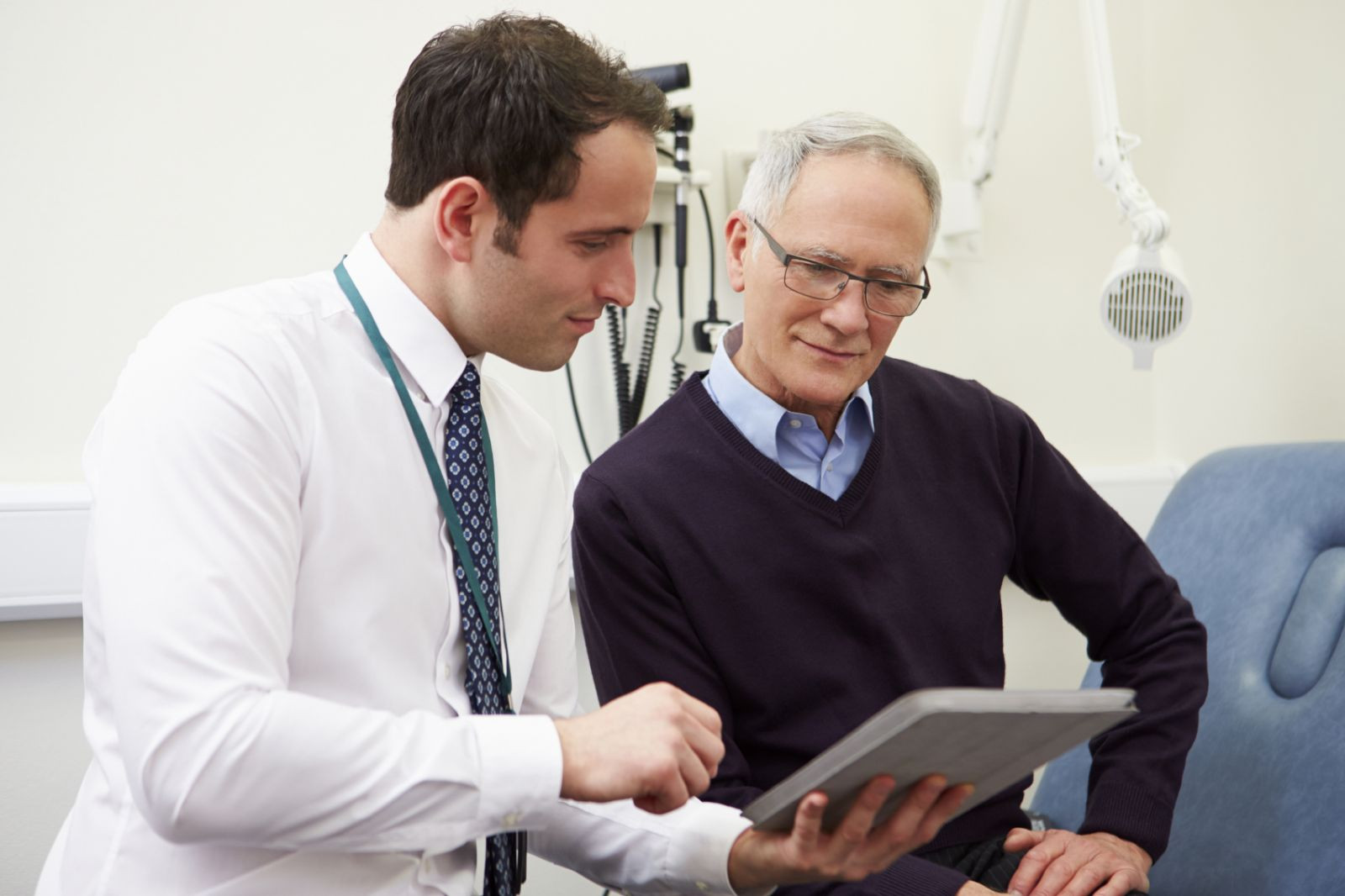
Is sex exercise? And is it hard on the heart?
At some time in his life, nearly every man gets exercised about sex. And as many men get older, they wonder if sex is a good form of exercise or if it's too strenuous for the heart. These questions may sound like locker room banter, but they are actually quite important — and they have solid scientific answers.
Treadmill vs. mattress
To evaluate the cardiovascular effects of sexual activity, researchers monitored volunteers while they walked on a treadmill in the lab and during private sexual activity at home. In addition to 13 women, the volunteers included 19 men with an average age of 55. About three-quarters of the men were married, and nearly 70% had some form of cardiovascular disease; 53% were taking beta blockers. Despite their cardiac histories, the men reported exercising about four times a week, and they reported having sexual activity about six times a month on average.


African American men respond better to treatments for advanced prostate cancer in clinical trials
Racial differences have long been evident in prostate cancer statistics. In particular, African American men are diagnosed with prostate cancer more often than white men, and they’re also nearly twice as likely to die of the disease. But new research also shows that African American men who receive the most advanced treatments for late-stage prostate […]



Did exercise cause my prolapsed bladder?
Ask the doctors
Q. I was recently diagnosed with a prolapsed bladder. The doctor said it could be due to too much exercise. I've been exercising for more than 40 years and wonder if this is more likely to be age-related. Should people worry about exercise causing this problem?
A. When the bladder drops down from the pelvis and protrudes into the vagina, it's said to be prolapsed. This condition, known as cystocele, is uncomfortable and can also cause urinary problems.
Diet and exercise limit heart disease risk in men undergoing hormonal treatments for advanced prostate cancer
Men with advanced prostate cancer are typically treated with drugs that prevent the body from making or using testosterone. A hormone (or an androgen, as it’s known), testosterone drives prostate cancer cells to grow faster, so shutting it down is essential to keeping the illness in check. About 600,000 men with advanced prostate cancer in […]


Do you need a thyroid test?
Undetected low levels of thyroid hormone may underlie subtle changes that can increase your risk of cardiovascular disease.
For a gland only two inches in size, the thyroid has a huge influence on our health. It produces a hormone that is carried in the bloodstream to all parts of the body. Thyroid hormone plays a major role in regulating metabolism—the process by which body cells convert nutrients into energy—and thereby helps regulate body temperature, heart rate, and even brain function. So when thyroid hormone levels fall, the body slows.
You're probably aware of the common symptoms of low thyroid hormone—fatigue, fuzzy-headedness, weight gain, cold hands, and dry skin. But if you're like most of us, you're likely to blame your diet and exercise regimen instead of your thyroid if your cholesterol levels and weight are creeping up, especially if you don't have any of the other symptoms of low thyroid. "Symptoms are often nonspecific, and since women over 60 generally have more of these nonspecific symptoms, their doctors may not think to test for hypothyroidism," says endocrinologist Dr. Jeffrey Garber, associate professor of medicine at Harvard Medical School and author of The Harvard Medical School Guide to Overcoming Thyroid Problems.
CoQ10: Should you take this popular supplement if you're on a statin?
Microplastics: A hidden health threat?
Oat vs. dairy milk: Nutrition, benefits, and downsides
What is tempeh? Benefits, nutrition, and how to use it
Healing after food poisoning
Children of centenarians may stay healthier and live longer too, study finds
Light exposure at night may raise risk for heart disease
Whole grains may improve several heart risk factors at once
A lumbar belt may help ease low back pain
Signs of pneumonia: Sometimes vague and unexpected
Free Healthbeat Signup
Get the latest in health news delivered to your inbox!
Sign Up
