

CoQ10: Should you take this popular supplement if you're on a statin?

Microplastics: A hidden health threat?

Oat vs. dairy milk: Nutrition, benefits, and downsides

What is tempeh? Benefits, nutrition, and how to use it

Healing after food poisoning

Children of centenarians may stay healthier and live longer too, study finds

Light exposure at night may raise risk for heart disease

A lumbar belt may help ease low back pain

Whole grains may improve several heart risk factors at once

Signs of pneumonia: Sometimes vague and unexpected
Caregiving Archive
Articles


Couch potato in midlife, smaller brain later?
Image: Yuri Arcurs/Thinkstock
News Briefs
Here's something to jolt you off the couch and get you exercising: a study published Feb. 10, 2016, in Neurology links poor fitness levels in middle age to brain shrinkage 20 years later. Researchers, including some from Harvard Medical School, looked at the cardiovascular fitness of about 1,100 people, average age of 40, who were free of dementia and heart disease. The participants had taken treadmill tests to determine their cardiovascular fitness levels based on how much oxygen their bodies used during exercise. About 20 years later, participants took another treadmill test and underwent neuropsychological testing and MRI brain scans. The scans showed that people who were unfit in middle age had smaller brains in older age, compared with people who were fit in middle age. This doesn't prove that inactivity in midlife causes brain shrinkage. But previous studies have shown that regular, moderate-intensity exercise may be associated with slower brain aging.

Caregivers: Heavier load may take a bigger toll on health
Image: Attila Barabas/Thinkstock
News Briefs
Caring for an elderly family member with disability, dementia, or both is a tough job. And those with the heaviest responsibilities suffer the most consequences, finds a study published Feb. 15, 2016, in JAMA Internal Medicine.
Researchers looked at information from two large national surveys of older adults and their family caregivers. They noted that about 15 million family caregivers are assisting almost eight million adults 65 or older, and 44% of caregivers are providing substantial care—about 28 hours per week—by helping with medication management, doctor visits, and transportation. Researchers found that people providing substantial care are more likely to live with the person they care for and are more likely to experience significant emotional, physical, and financial difficulty compared with caregivers who don't provide substantial help. Researchers also said people providing substantial care are more than five times as likely to miss out on activities they value and three times as likely to be less productive at work, compared with those who don't have such a heavy caregiving load.

5 key questions to help you develop a caregiving plan
If you're taking on the role of caregiver for the first time, you probably have many questions: What exactly will it entail? Where can you find help? How do you even start?
When faced with this kind of uncertainty, the best thing you can do for your loved one — and yourself — is to make a caregiving plan. Of course, your loved one's needs may change over time, and you can never plan for every last detail or eventuality. But if you begin by covering the basics, you will have an important foundation to build on later.


Could lack of sleep trigger a food “addiction”?
Many people cite a lack of “motivation” or “willpower” as the reason that overweight people can’t control their eating habits. But a wealth of evidence has come to light that obesity is linked to insufficient sleep. Most recently, an experimental study has found that restricted sleep can increase the levels of brain chemicals that make eating pleasurable. Could it be that insufficient sleep makes the brain addicted to the act of eating?
A monthly shot for opioid addiction: An option for some
Several long-term treatments can help people overcome opioid addiction. One of them, naltrexone, may help people who have trouble sticking with taking a pill every day. Naltrexone can be offered as a monthly injection called Vivitrol, which has been shown to help more people stay on treatment as compared to the pill form. However, it’s not for everyone, and like all treatments for opioid addiction, it must be used very carefully.

A twist on the genetic link between Alzheimer’s and heart disease
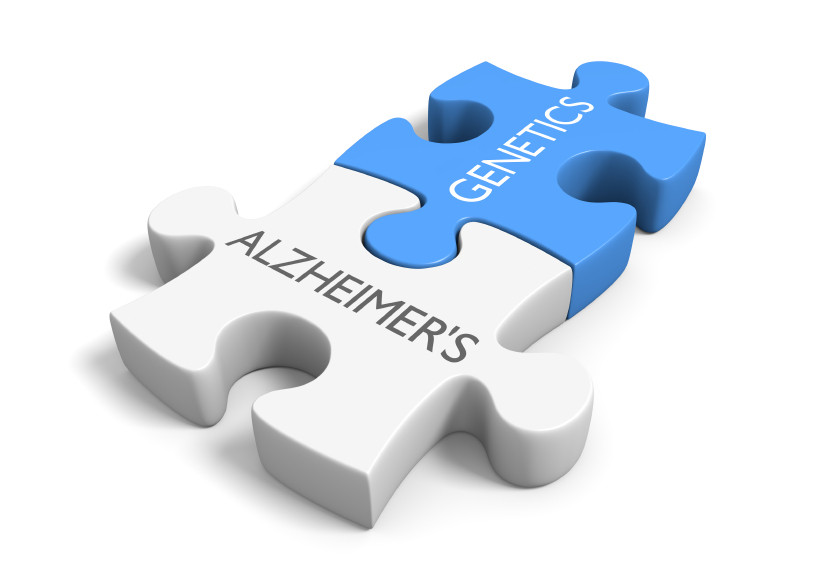
Although the two conditions seem unrelated, Alzheimer’s and heart disease actually share a genetic link. People who have a certain gene variant have both a somewhat elevated heart disease risk and a significantly elevated Alzheimer’s risk. Fortunately, a recent study has suggested that when people know they have this variant, they’re more likely to make healthy lifestyle choices that benefit their heart — and what’s good for the heart is good for the brain.

CoQ10: Should you take this popular supplement if you're on a statin?
Microplastics: A hidden health threat?
Oat vs. dairy milk: Nutrition, benefits, and downsides
What is tempeh? Benefits, nutrition, and how to use it
Healing after food poisoning
Children of centenarians may stay healthier and live longer too, study finds
Light exposure at night may raise risk for heart disease
A lumbar belt may help ease low back pain
Whole grains may improve several heart risk factors at once
Signs of pneumonia: Sometimes vague and unexpected
Free Healthbeat Signup
Get the latest in health news delivered to your inbox!
Sign Up
