

CoQ10: Should you take this popular supplement if you're on a statin?

Microplastics: A hidden health threat?

Oat vs. dairy milk: Nutrition, benefits, and downsides

What is tempeh? Benefits, nutrition, and how to use it

Healing after food poisoning

Children of centenarians may stay healthier and live longer too, study finds

Light exposure at night may raise risk for heart disease

A lumbar belt may help ease low back pain

Whole grains may improve several heart risk factors at once

Signs of pneumonia: Sometimes vague and unexpected
Caregiving Archive
Articles

What's the purpose of the new mental health questionnaire?
Ask the doctors
Q: I went for my usual check-up, and in addition to taking my blood pressure, the medical assistant handed me a form to fill out with nine questions related to my mental health. I've never had this happen before. Is this new?
A: Yes, it is new for most people. The U.S. Preventive Services Task Force (USPSTF) has just released an important depression screening recommendation. The USPSTF recommends regular depression screening for all adults, which is a modification from advice originally given in 2009, in which screening was recommended only for clinics or doctors who had adequate support systems to provide mental health care for those who were identified with depression. Since that time, multiple studies have found that mental health care from primary care clinicians works very well, and probably just as well as specialist care from psychiatrists. That isn't to say we don't need care from psychiatrists, but rather that not everyone needs a psychiatrist, especially those with mild to moderate depression.
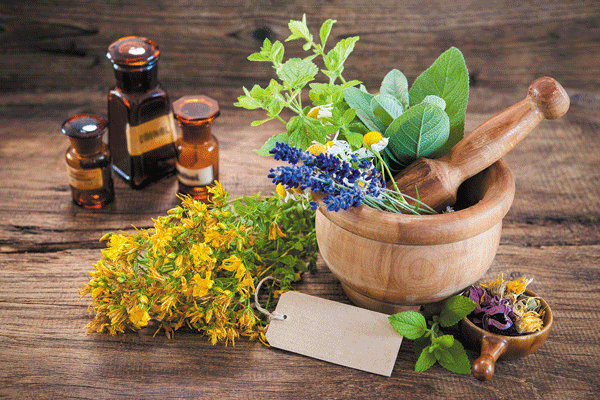
Why dietary supplements are suspect
Supplements aren't held to the same standards as FDA-approved drugs. Evidence indicates that few are effective, many are useless, and others may be harmful.
Image: Thinkstock
Dietary supplements—including herbs, vitamins, minerals, and other products—are a $37-billion industry in the United States, and 60% of women are taking them regularly. At the same time, mounting research is suggesting that supplements—even mainstays like calcium—may be harmful at high doses.
The use of supplements and other alternatives to standard treatments is centuries old, but Dr. David Eisenberg, adjunct associate professor at the Harvard T.H. Chan School of Public Health, was the first to document the widespread use of alternative therapies in the United States. In a 1993 article in The New England Journal of Medicine, Dr. Eisenberg and colleagues reported that more than a third of Americans were using unconventional therapies, largely for chronic conditions, and most were doing so without letting their clinicians know. That report covered acupuncture, spinal manipulation, massage, and yoga, but it also focused public attention on all unconventional treatments, including the growing use of herbal remedies and other dietary supplements. In 1998, the Office of Alternative Medicine in the National Institutes of Health (NIH) was revamped as the National Center for Complementary and Alternative Medicine and charged with funding rigorous studies into the safety and effectiveness of alternative physical treatments as well as popular dietary supplements and herbs.
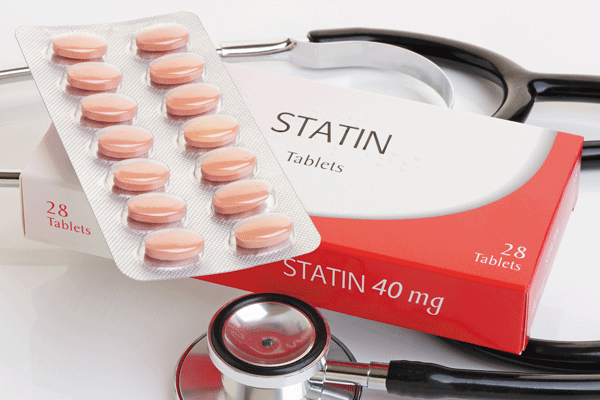
Why you may need a statin
Although risk calculators disagree, at some point age becomes the deciding factor in the decision to take a cholesterol-lowering medication.
Image: Thinkstock
If you've been diligent about monitoring your risk factors for developing heart disease, you may have realized that online calculators can be helpful. If you have the results from your latest cholesterol test, these online calculators can compute your chance of having a heart attack or stroke in the next decade:
Framingham Risk Calculator http://cvdrisk.nhlbi.nih.gov
ACC/AHA Heart Risk Calculator www.cvriskcalculator.com
Reynolds Risk Score www.reynoldsriskscore.org
However, each may give you a slightly different number. And while the Framingham calculator might indicate that your risk is low and therefore you don't need a cholesterol-lowering statin drug, the ACC/AHA calculator could indicate that you should be taking a statin to reduce your risk.

How to work around a minor hearing loss
If you're missing a few words but not ready for a hearing aid, a few simple strategies and smartphone apps may help.
Image: iStock
Are you avoiding certain restaurants because they're too noisy? Do you catch yourself wondering what you just heard the radio announcer say? Are you wearing out the volume control on your remote? Chances are you have a bit of hearing loss.
It's easy to ignore a hearing loss because it can be subtle and gradual. And you may be in denial because you don't like the idea of wearing hearing aids. Yet struggling to hear can erode your quality of life.

Getting out of the chair boosts metabolism in postmenopausal women
There's mounting evidence that sitting for long periods can have health risks. However, little is known about how the effects of sitting can be countered by standing occasionally. A team of researchers from the United Kingdom and Australia designed a two-day study involving 22 overweight or obese postmenopausal women with high blood sugar who were at risk for diabetes. On the first day, the women were assigned to one of three groups. One group sat for 7.5 hours straight. The other two sat over a 7.5-hour period, but one group was told to stand in place for five minutes every half-hour, and the other was told to walk for five minutes every half-hour. The second day, all the groups sat for 7.5 hours straight.
On both days, the researchers tested each participant's blood levels of glucose, insulin, fatty acids, and triglycerides—all indicators of metabolism. They found that both walking and standing reduced glucose, insulin, and fatty acids—signs of a higher metabolic rate—in women who either stood or walked compared with those who sat the entire time. Moreover, in the two active groups, some of the beneficial effects persisted into the next day, when everyone sat for the entire session.

New depression screening guidelines benefit pregnant women and new moms–and everyone
The U.S. Preventive Services Task Force has recently updated their guidelines on depression screening to include pregnant and postpartum women, which will be a great help to the many new moms who experience mood changes that go beyond the “baby blues.” The updated guidelines offer other benefits, too, that help improve everyone’s access to mental health care — especially those who can’t currently afford it.

Correction: healthy prepared entrée
In the January Health Letter, we gave you suggestions for finding healthy frozen food entrees. Because of a typographical error, the text of the article incorrectly stated that you should look for 5 or fewer grams of fiber per serving. In contrast, the table (reproduced below) noted accurately that you should look for entrees with 5 or more grams of fiber per serving. We apologize for the error in the text.
What to look for in a healthy prepared entrée: | |
When the label says... | Look for... |
Calories | 600 or less |
Fiber | 5 grams or more |
Sodium | 500 milligrams or less |
Trans fat | 0 grams |
Saturated fat | 5 grams or less |
Sugar | 0 grams |
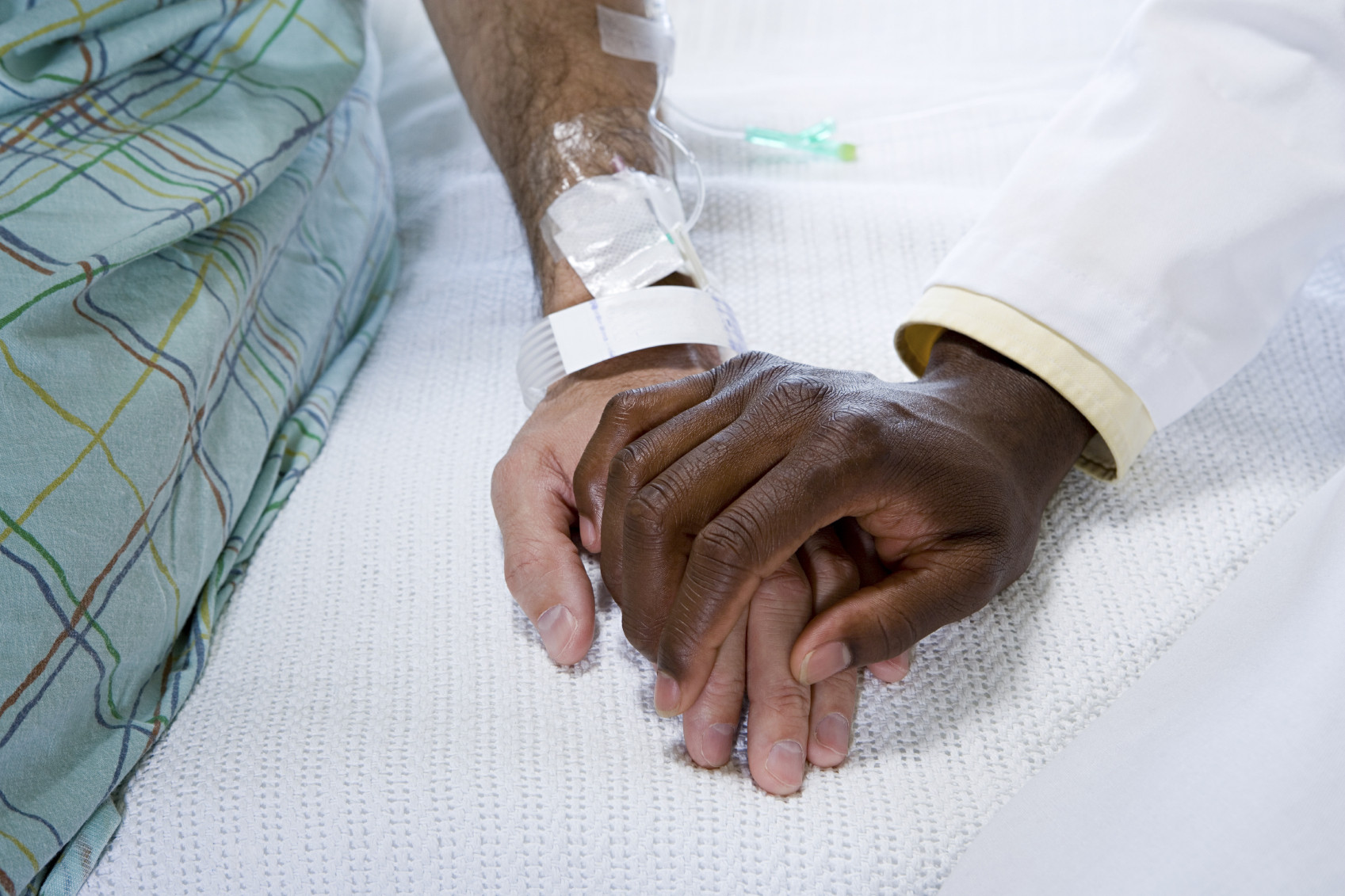
The latest ways to relieve the burden of decision-making at life’s end
A POLST order goes beyond what a DNR can cover: it allows you to set your preferences for treatments such as nutrition, pain medicine, and antibiotics at the end of life, and it applies both inside and outside the hospital. However, it’s not without its drawbacks. Ultimately, it’s safest to draw up not only a POLST, but other types of tried-and-true directives, to ensure you get the end-of-life care you want.

CoQ10: Should you take this popular supplement if you're on a statin?
Microplastics: A hidden health threat?
Oat vs. dairy milk: Nutrition, benefits, and downsides
What is tempeh? Benefits, nutrition, and how to use it
Healing after food poisoning
Children of centenarians may stay healthier and live longer too, study finds
Light exposure at night may raise risk for heart disease
A lumbar belt may help ease low back pain
Whole grains may improve several heart risk factors at once
Signs of pneumonia: Sometimes vague and unexpected
Free Healthbeat Signup
Get the latest in health news delivered to your inbox!
Sign Up
