

CoQ10: Should you take this popular supplement if you're on a statin?

Microplastics: A hidden health threat?

Oat vs. dairy milk: Nutrition, benefits, and downsides

What is tempeh? Benefits, nutrition, and how to use it

Healing after food poisoning

Children of centenarians may stay healthier and live longer too, study finds

Light exposure at night may raise risk for heart disease

A lumbar belt may help ease low back pain

Whole grains may improve several heart risk factors at once

Signs of pneumonia: Sometimes vague and unexpected
Caregiving Archive
Articles

Harvard researchers: Fight glaucoma with leafy green vegetables
Image: Thinkstock
Think about this the next time you fill your plate with kale or spinach: a study published in JAMA Ophthalmology Jan. 14, 2016, found that boosting leafy green vegetable intake is associated with a reduced risk of developing glaucoma, a leading cause of blindness.
Harvard researchers analyzed the dietary information reported by more than 100,000 men and women in two long-term studies, each lasting more than 25 years. Those who ate the most leafy greens had a risk of developing glaucoma that was 20% to 30% lower than that of those who ate the least. What's the link? Glaucoma causes damage to the optic nerve, through increased pressure from fluid in the eye or impaired blood flow to the optic nerve. Leafy greens are loaded with nitrate, which the body converts to nitric oxide. "Nitric oxide is important for maintaining optimal blood flow, and possibly for keeping eye pressure low," speculates Dr. Jae Hee Kang, the lead author of the study and a Harvard Medical School assistant professor. The study doesn't prove that leafy greens reduce glaucoma risk; it only shows an association between the two. Eating leafy greens is also linked to lower rates of inflammation, cancer, heart disease, and even macular degeneration.
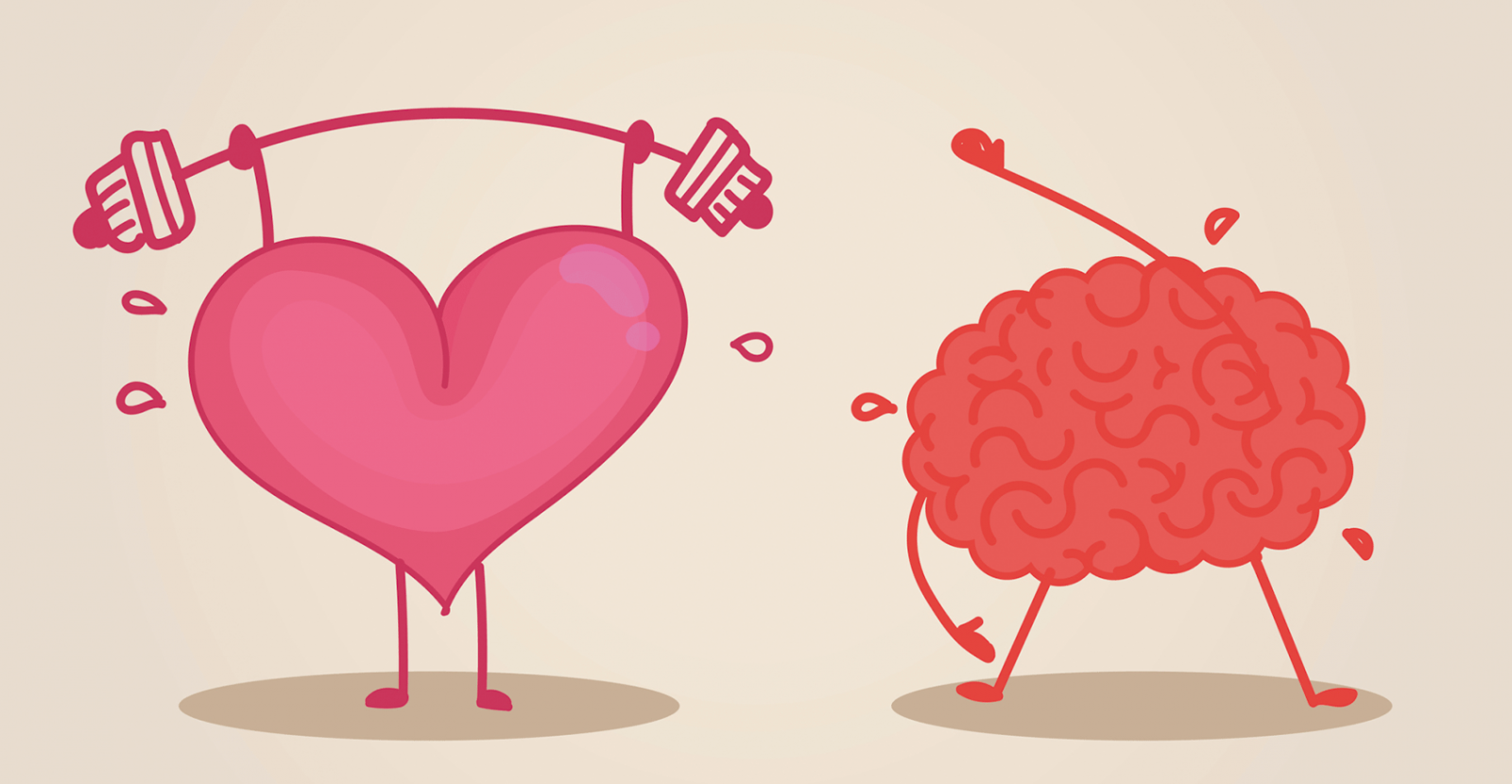
A stronger heart may help keep your brain young
New findings link cardiovascular fitness to better thinking skills and memory in older people.
Image: Thinkstock
Exercise that speeds up your heart rate and breathing keeps your heart and blood better cardiovascular fitness to a sharper brain is providing new clues about this heart-mind connection.
"It's not just about delivering more oxygen to the brain, although that's part of it," says Dr. John Ratey, associate clinical professor of psychiatry at Harvard Medical School and author of Spark: The Revolutionary New Science of Exercise and the Brain. Having a fit, healthy cardiovascular system also protects against vascular dementia, which happens when blood vessels feeding the brain are blocked or narrowed, leading to memory problems and other cognitive trouble.

Mediterranean diet beats low-fat diet for long-term weight loss
Image: Bigstock
The popular eating pattern that's good for your heart—the Mediterranean diet—is also good for your waistline, according to a review of five studies that compared the Mediterranean diet with other weight-loss diets.
The trials, which included a total of 998 overweight or obese people, pitted the Mediterranean diet (which is rich in vegetables, fruits, grains, beans, and olive oil but light on meat, dairy, and eggs) against one or more of three other diets: a low-fat diet, a low-carb diet, and the American Diabetes Association (ADA) diet.

Caffeine unlikely to trigger palpitations in healthy people
Drinking caffeinated coffee or tea may help you feel more awake and alert. But for healthy people, it probably won't cause palpitations—a noticeably strong, fast, or irregular heart beat. That's according to a new study of nearly 1,400 older adults in the Jan. 26, 2016, Journal of the American Heart Association.
Researchers relied on data from food questionnaires and Holter monitors, which recorded each participant's heart rhythm for a 24-hour period. About 60% of the people in the study said they consumed more than one caffeinated product (coffee, tea, or chocolate) a day. People who consumed more of those products were no more likely to have palpitations than those who imbibed less, the authors found.

The benefits of positive thinking after a heart attack
Image: Thinkstock
A heart attack or unstable angina (sudden chest pain that happens at rest) usually requires a hospital stay. After such events—which doctors call acute coronary syndromes—about one in five people ends up back in the hospital with heart disease or dies in the following year. But there's a bright side: new research suggests that survivors with an optimistic attitude are less likely to be readmitted to the hospital with heart problems.
The study, published in the January 2016 Circulation: Cardiovascular Quality and Outcomes, included 164 people, mostly men, who were hospitalized for acute coronary syndromes. Two weeks after the event, they filled out questionnaires designed to measure their sense of optimism and gratitude.

What's new in nutritional guidelines?
The USDA recently updated its recommendations for healthy eating. Here are the takeaway messages for men.
Images: Thinkstock
Every five years, the USDA releases its Dietary Guidelines for Americans—advice to encourage healthier eating patterns based on the latest nutritional science.
"While there is a lot of nutritional information out there, the guidelines are the foundation for many government food programs, and many men can benefit from their recommendations," says Katherine McManus, director of the Department of Nutrition at Harvard-affiliated Brigham and Women's Hospital.
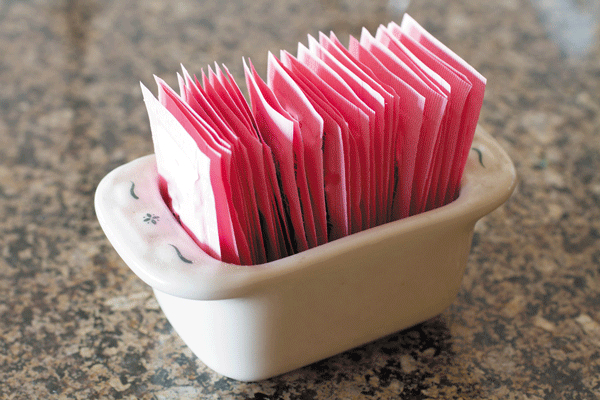
Are artificial sweeteners safe?
Ask the doctor
Image: Thinkstock
Q: My doctor advised me to give up my soda habit, but I was thinking about switching to diet soda. What is your advice about the safety of artificial sweeteners?
A: I support your decision to decrease the amount of added sugar in your diet, but it is less clear if artificial sweeteners are the answer. These sugar substitutes do appear to be safe when consumed in usual amounts. Initial studies in rats, performed decades ago, raised a possible link to bladder cancer, but no subsequent studies in humans have confirmed this relationship.

Retired men at work
Retirement is your reward for a long work life, but research suggests that continuing to work in some way may offer a big payday for your health.
Image: Thinkstock
If you are retired, or counting the days, you may want to rethink leaving the workforce behind forever. Recent research has found that seniors who continue to work after age 65 are healthier than retirees.
"For many men, work defines who they are, and they still need to benefit from something meaningful and productive as they age, whether it's in their current job or field or something new," says Dr. William S. Pollack, assistant clinical professor in the Department of Psychiatry at Harvard Medical School. "Work can boost confidence, self-esteem, and happiness, all of which can help men stay active and live longer."

Straight talk about oral health
Healthy teeth and gums can protect against tooth loss, gum disease, and even heart disease.
Image: Thinkstock
If you want a snapshot of your current and future health, then open wide. "The condition of your teeth and gums can often show warning signs of serious issues, from potential tooth loss to possible cardiovascular disease and cancer," says Dr. Lisa Simon, instructor in oral health policy and epidemiology at the Harvard School of Dental Medicine.
Tooth decay and gum disease
The main issue with oral health is tooth decay, which strikes 90% of all adults, and gum disease, which affects approximately 40% of those ages 65 or older, says the Academy of Nutrition and Dietetics. Gum disease—infection of the gums and surrounding tissues—develops when plaque, a sticky film of bacteria, builds up along and under the gum line.
How can I tell if I'm sleeping enough?
Ask the doctor
Q: I have always had difficulty sleeping. Since I have taken to heart the advice for good sleep habits, I think I'm sleeping better, but I'm not sure. I'm in bed about 8.5 hours, but am often restless and get up to go to the bathroom a couple of times during the night. Is there a way to compute how much sleep I'm actually getting?
A: Adequate sleep is an important part of health. While the exact amount needed to maximize health and wellness is not totally clear, many experts recommend around seven to nine hours per night. Adequate sleep is associated with memory, improved mood, better weight control, improved diabetes control, greater resistance to colds, and fewer accidents.
CoQ10: Should you take this popular supplement if you're on a statin?
Microplastics: A hidden health threat?
Oat vs. dairy milk: Nutrition, benefits, and downsides
What is tempeh? Benefits, nutrition, and how to use it
Healing after food poisoning
Children of centenarians may stay healthier and live longer too, study finds
Light exposure at night may raise risk for heart disease
A lumbar belt may help ease low back pain
Whole grains may improve several heart risk factors at once
Signs of pneumonia: Sometimes vague and unexpected
Free Healthbeat Signup
Get the latest in health news delivered to your inbox!
Sign Up
