

Using a vibration plate: What it can — and can't — do for your body

The surprising link between ovarian cancer and the fallopian tubes

People who walk more or walk faster live longer, study finds

For sleep apnea, a dental device may be as effective as CPAP

Rosacea treatments: What works?

Carb cycling: What is it, and does it work?

Salmonella, E. coli, Cyclospora, and other germs that cause food poisoning: What you need to know

Melatonin or magnesium: Can either supplement help you sleep?

Understanding orthorexia: Have your healthy eating goals gone too far?

Naturally gluten-free foods
Brain health Archive
Articles

New thinking about plaque in arteries that feed the brain
Carotid artery stenosis, which happens when fatty plaque accumulates in neck arteries that supply the brain, leaves people vulnerable to a stroke. Intensive drug therapy may forestall the need for invasive procedures to treat this problem.

How to spot Parkinson's disease symptoms
Parkinson’s disease symptoms tend to develop gradually and can be mistaken for normal aging. Early movement-related signs include tremor in one hand, slower movements, mild balance and gait changes, and muscle stiffness. Other clues include loss of smell, sleep changes, and constipation.
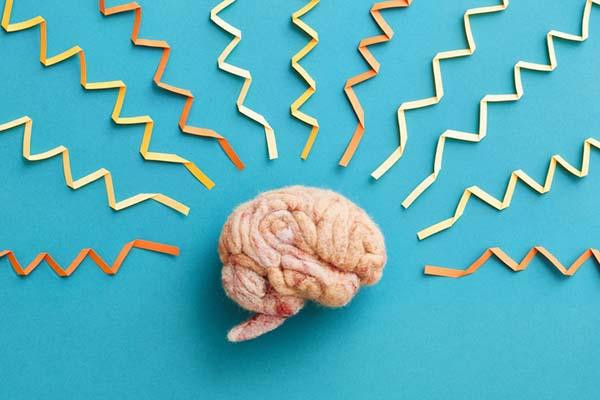
Speaking multiple languages may promote healthy aging
A 2025 study suggested that living in areas where residents commonly speak multiple languages may promote healthy aging.

Prompt treatment for head injury may lower your risk of dementia
A 2025 study found that people ages 50 to 90 who received treatment within one week after a moderate or severe traumatic brain injury had a 41% lower risk of developing Alzheimer's disease over the following three years, suggesting that early treatment may be important.

Ask the Doc: What can you do to improve your memory?
Do you find yourself misplacing your keys more often? Losing your glasses on a daily basis? Forgetting dentist appointments? In our short video, Dr. Mallika Marshall describes common-sense strategies for improving your memory.
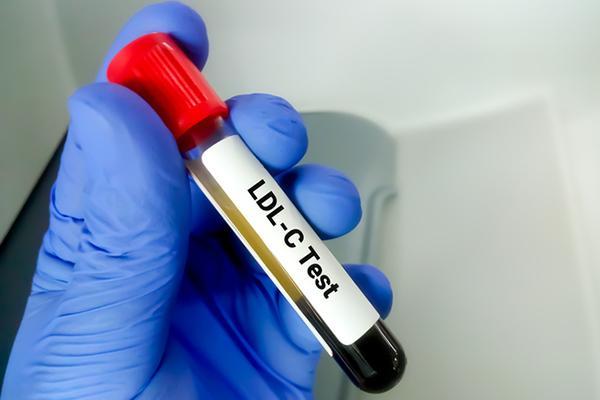
Stroke survivors may benefit from very low LDL levels
For stroke survivors, reaching a very low LDL (bad) cholesterol level may reduce their risk of future strokes and other cardiovascular problems, according to a 2025 study.

Regular physical activity at midlife and beyond may help lower dementia risk
A 2025 study found that people with high amounts of daily activity at middle age and beyond reduced their risk of developing dementia compared with individuals who had the least daily activity during these life stages.
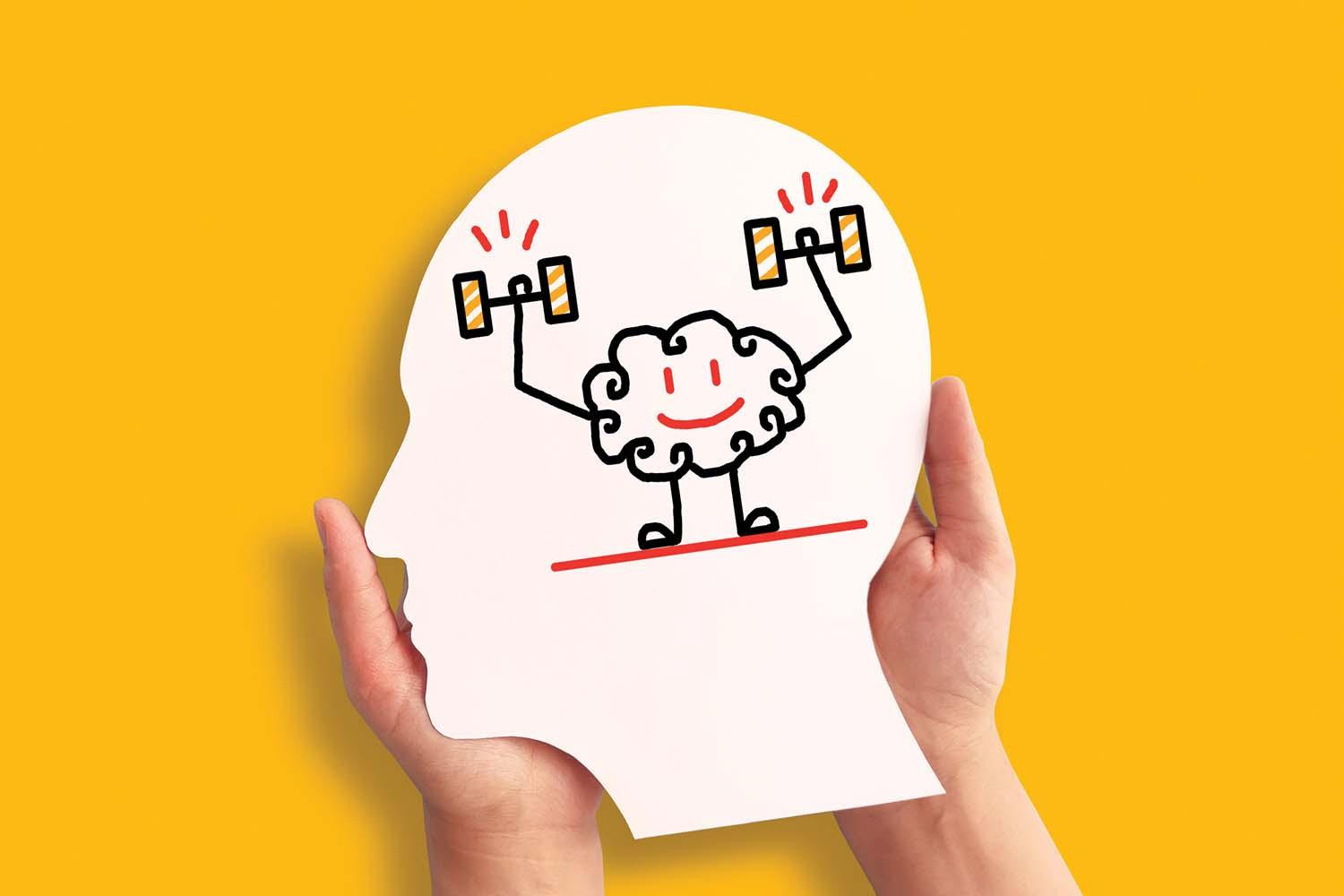
Boost your cognitive fitness in the new year
The new year is a good time to focus on cognitive fitness. Exercise, healthy eating, mental challenges, good sleep, controlling stress, and social engagement support neuroplasticity and help keep thinking and memory sharp.
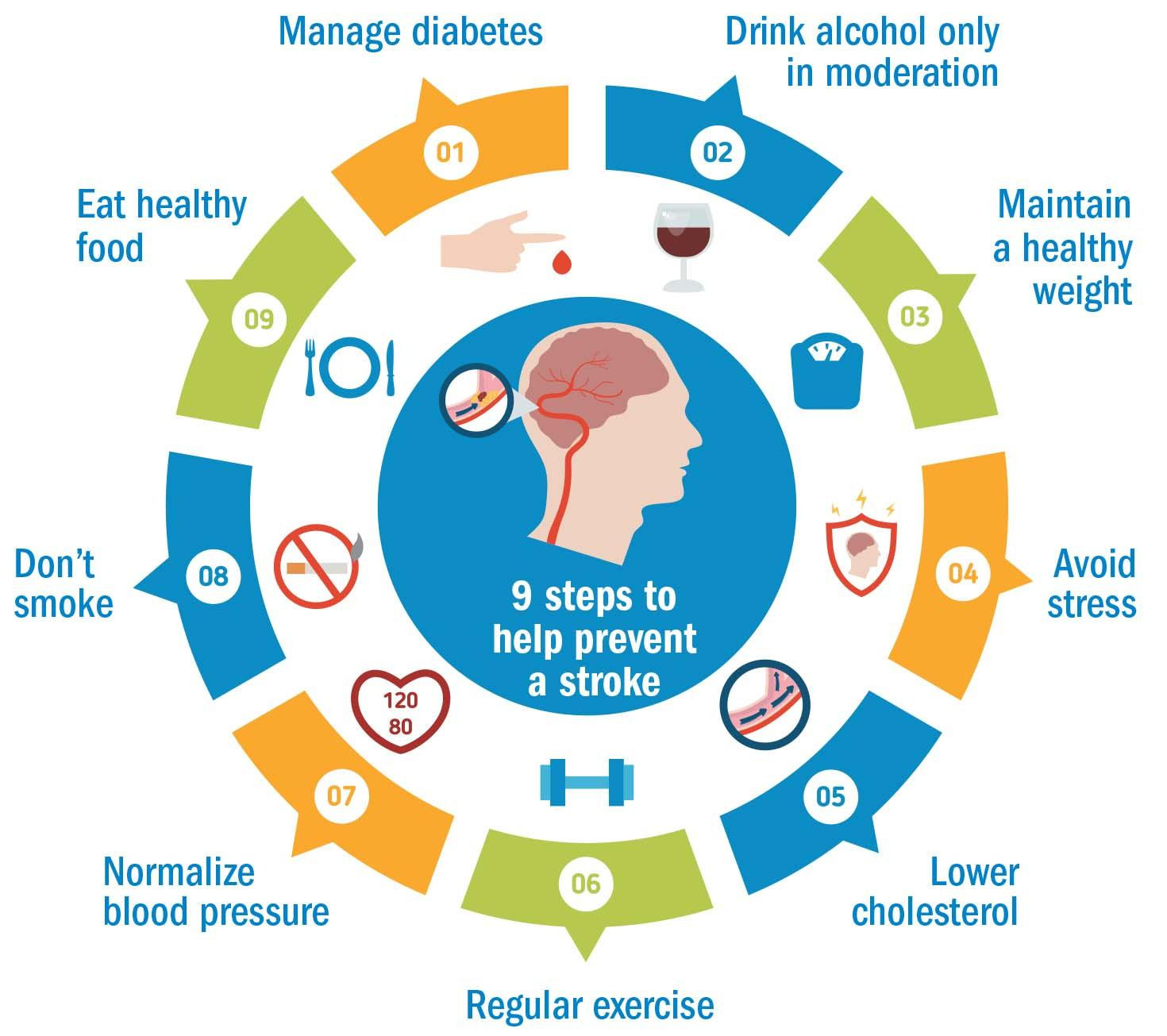
Reducing your stroke risk after a ministroke
A transient ischemic attack (TIA), or ministroke, is a serious warning sign for future stroke, especially in the first 48 hours. Medications plus lifestyle changes-healthy eating, regular exercise, and blood pressure control-can significantly lower that risk.

Quitting smoking in middle age can reduce dementia risk
A 2025 study suggests that smokers who quit in middle age may, within a decade, reduce their risk of developing dementia to that of people who never smoked.
Using a vibration plate: What it can — and can't — do for your body
The surprising link between ovarian cancer and the fallopian tubes
People who walk more or walk faster live longer, study finds
For sleep apnea, a dental device may be as effective as CPAP
Rosacea treatments: What works?
Carb cycling: What is it, and does it work?
Salmonella, E. coli, Cyclospora, and other germs that cause food poisoning: What you need to know
Melatonin or magnesium: Can either supplement help you sleep?
Understanding orthorexia: Have your healthy eating goals gone too far?
Naturally gluten-free foods
Free Healthbeat Signup
Get the latest in health news delivered to your inbox!
Sign Up
