

Using a vibration plate: What it can — and can't — do for your body

The surprising link between ovarian cancer and the fallopian tubes

People who walk more or walk faster live longer, study finds

For sleep apnea, a dental device may be as effective as CPAP

Rosacea treatments: What works?

Carb cycling: What is it, and does it work?

Salmonella, E. coli, Cyclospora, and other germs that cause food poisoning: What you need to know

Melatonin or magnesium: Can either supplement help you sleep?

Understanding orthorexia: Have your healthy eating goals gone too far?

Naturally gluten-free foods
Brain health Archive
Articles
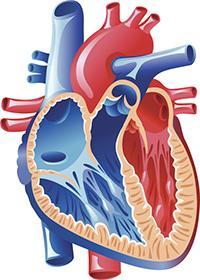
What is a bubble study?
Performed during an echocardiogram, a bubble study involves injecting a small amount of fluid filled with tiny bubbles into an arm vein. It can reveal the path of blood flow through the heart and provide clues about the cause of an unexpected stroke.
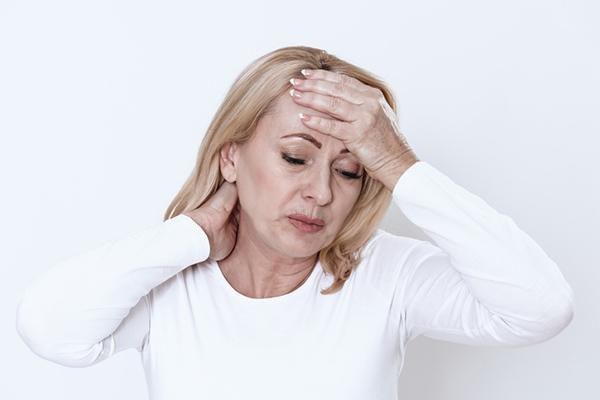
A headache that starts in your neck
Pain that starts at the base of the skull and radiates to one side of the forehead may be a cervicogenic headache. These headaches are sometimes mistaken for tension headaches or migraines. Cervicogenic headaches originate from a problem around the top of the spine. Possible causes include a herniated disk, arthritis, or an injury, such as whiplash. Treatments include pain relievers, physical therapy, and injections of steroids or anesthetics.
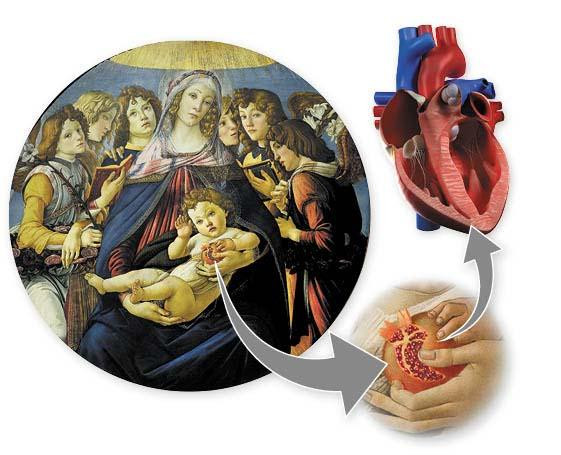
The art of the heart
Visual art in paintings, medical illustrations, and modern digital tools has influenced how people understand the human heart. The bridging of art and the heart dates back to Leonardo da Vinci, whose drawings laid the groundwork for modern cardiology. Today, the intersection of art and the heart may also contribute to healing through advocacy (such as art in public health campaigns), education (such as interactive animations to help people understand the heart), and innovation (such as three-dimensional models to illustrate procedures).

What causes red wine headaches?
Red wine headaches are a common phenomenon. Scientists believe they're due to a flavonoid called quercetin, which may block a key enzyme that breaks down alcohol in the liver and allows the buildup of a chemical called acetaldehyde that can trigger headaches.

Fuzzy memory? Try these strategies
Simple strategies can help someone fight age-related memory slips. Tips include repeating new information by saying it out loud or writing it down a few times; associating an image with someone's name, such as thinking of a bouquet of roses after meeting a person named Rosie; grouping information in chunks, similar to grouping digits in a phone number; and writing information out by hand (as opposed to typing), which forces the brain to process and absorb data.
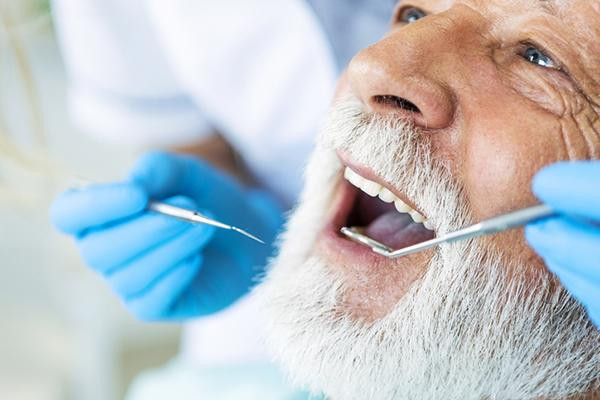
Gum disease may increase the risk for stroke and cognitive decline
A 2025 study found that in brain MRI scans, people with any evidence of gum disease were more likely to have higher amounts of a marker for disease in the brain's small blood vessels, compared to people without gum disease.
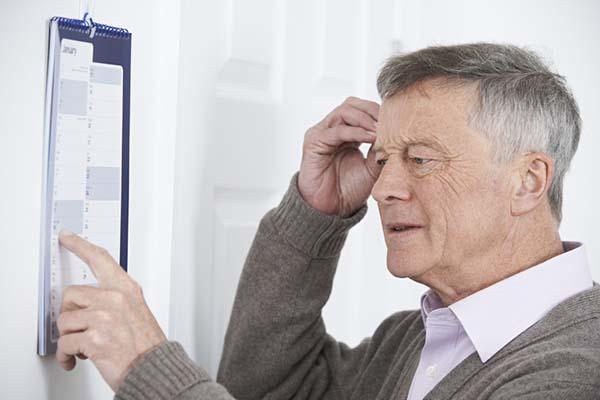
Forgetfulness doesn't always mean Alzheimer's
Many memory lapses are part of aging and don't signal Alzheimer's disease. Types of forgetfulness that usually aren't symptoms of dementia include forgetting names or details temporarily, misplacing objects but retracing steps to recover them, and occasional word retrieval problems. Signs of dementia include repeating questions and stories, getting lost on familiar routes, challenges with planning or solving problems, difficulty completing familiar tasks, new problems with words in speaking or writing, and withdrawing from social activities.

A green-Mediterranean diet may slow brain aging
A 2025 study suggested that following a green-Mediterranean diet - which includes walnuts, green tea, and the aquatic plant Mankai - may be linked with slower brain aging.

Nearly everyone has at least one risk factor before a heart attack, heart failure, or stroke
A 2025 study suggests that more than 99% of people who have a first-time heart attack, stroke, or heart failure have at least one of four risk factors: unhealthy blood pressure, cholesterol, or blood sugar levels, or past or present smoking.

Dogs and cats may slow cognitive decline
A 2025 study suggests that owning a dog or cat may help slow cognitive decline as people age.
Using a vibration plate: What it can — and can't — do for your body
The surprising link between ovarian cancer and the fallopian tubes
People who walk more or walk faster live longer, study finds
For sleep apnea, a dental device may be as effective as CPAP
Rosacea treatments: What works?
Carb cycling: What is it, and does it work?
Salmonella, E. coli, Cyclospora, and other germs that cause food poisoning: What you need to know
Melatonin or magnesium: Can either supplement help you sleep?
Understanding orthorexia: Have your healthy eating goals gone too far?
Naturally gluten-free foods
Free Healthbeat Signup
Get the latest in health news delivered to your inbox!
Sign Up
